
When the Strait Closes: Food, Water, and the Hidden Cost of War
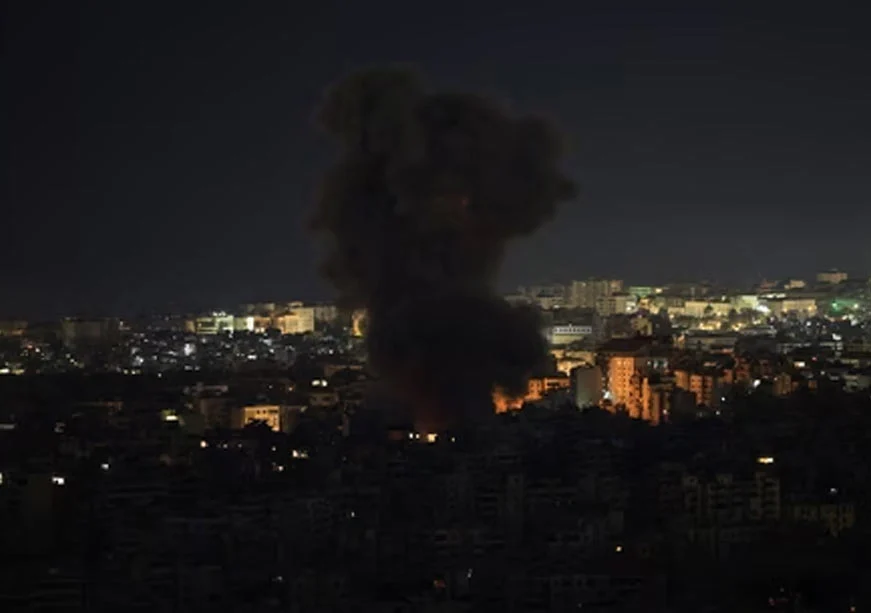
The closure of the Strait of Hormuz has triggered a global crisis extending beyond oil, paralyzing a third of the world’s fertilizer trade and threatening desalination plants critical for drinking water. This disruption risks long-term food inflation, compromised harvests, and severe economic strain on millions far from the conflict.
Trump’s Power Plant Threat Pulls the Hormuz Crisis to a New Edge
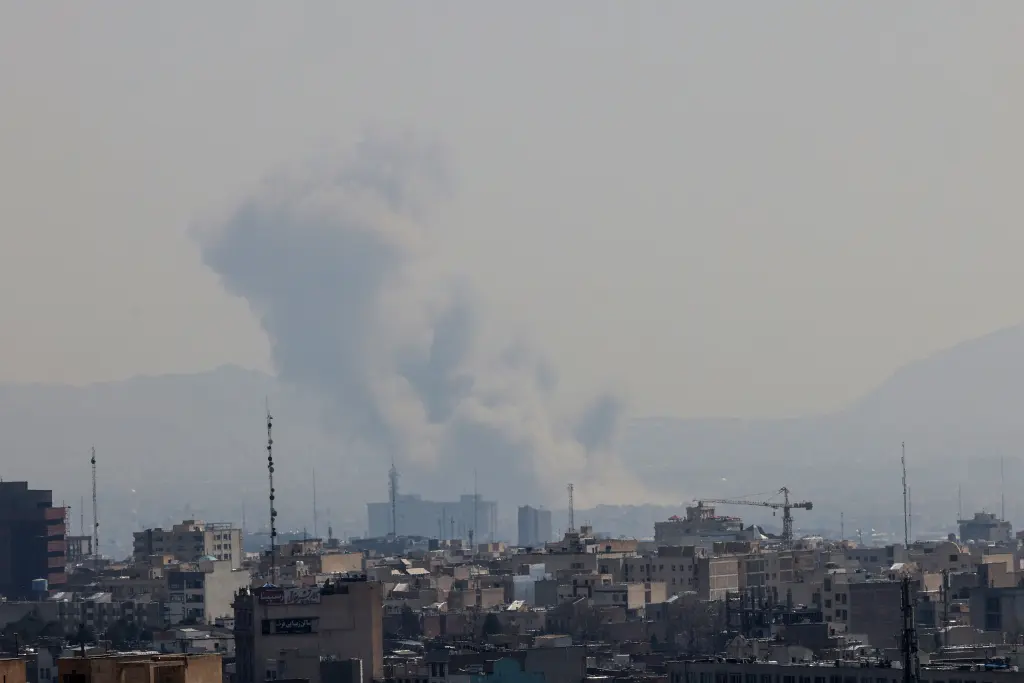
President Trump has issued a 48-hour ultimatum, threatening to strike Iran’s power plants unless the Strait of Hormuz is reopened. This escalation follows a massive spike in global energy prices and retaliatory threats from Tehran to destroy regional infrastructure, leaving little room for diplomatic off-ramps as the deadline approaches.
Israel’s Assassination Campaign Against Iran: Effective Tactic, Flawed Strategy
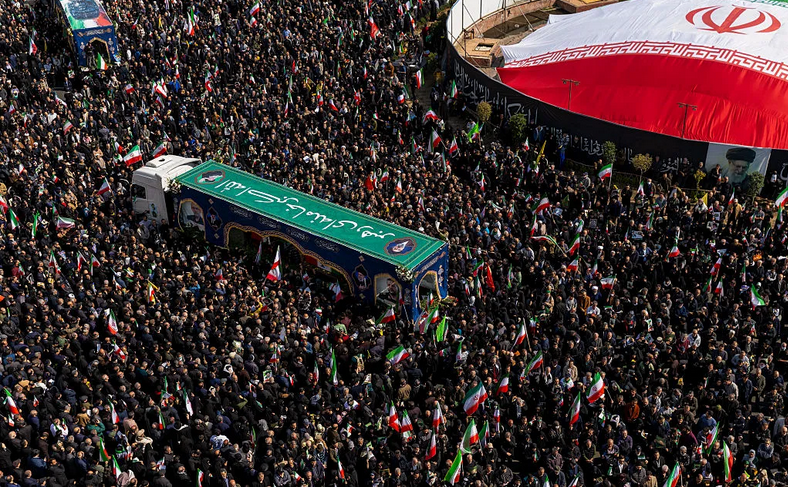
Israel’s unprecedented campaign of targeted assassinations against Iranian leadership, including Ali Larijani, marks a shift in modern warfare. While tactically effective in disrupting command, the strategy risks backfiring by eliminating diplomatic off-ramps and empowering hardliners, potentially leaving no centralized authority capable of negotiating a ceasefire.
America’s Anti-War Movement Has a Class Problem It Can’t Ignore
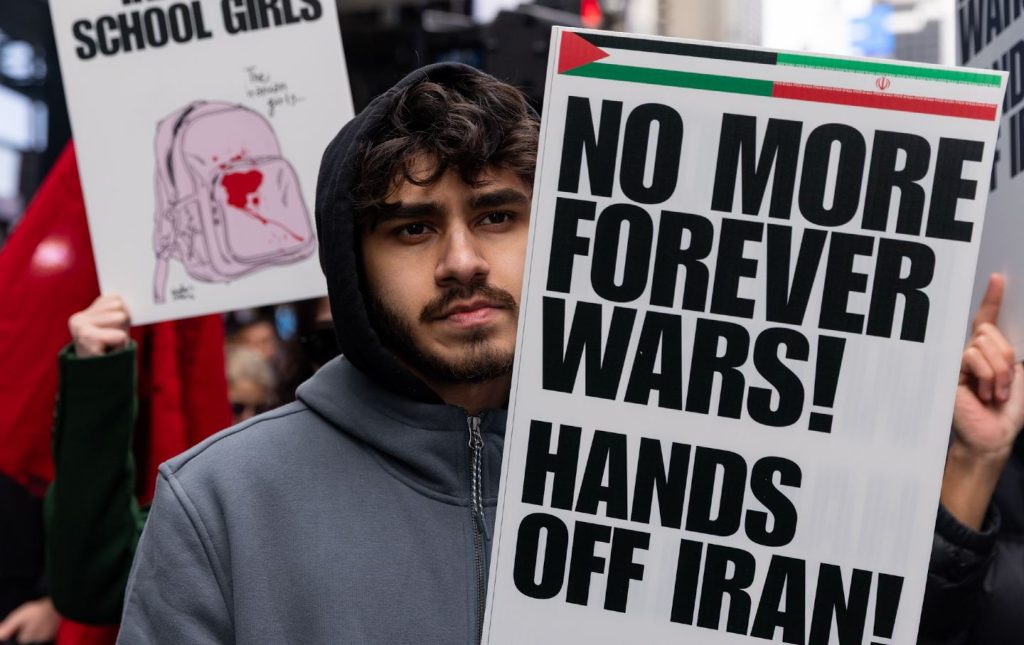
As the war on Iran enters its fourth week, America’s anti-war movement faces a critical class divide. To succeed, organizers must bridge the gap between urban activists and the working-class families bearing the economic and human costs, building a diverse coalition capable of challenging the powerful defense industry.