
Is Iran the Suez Moment That Ends American Hegemony?
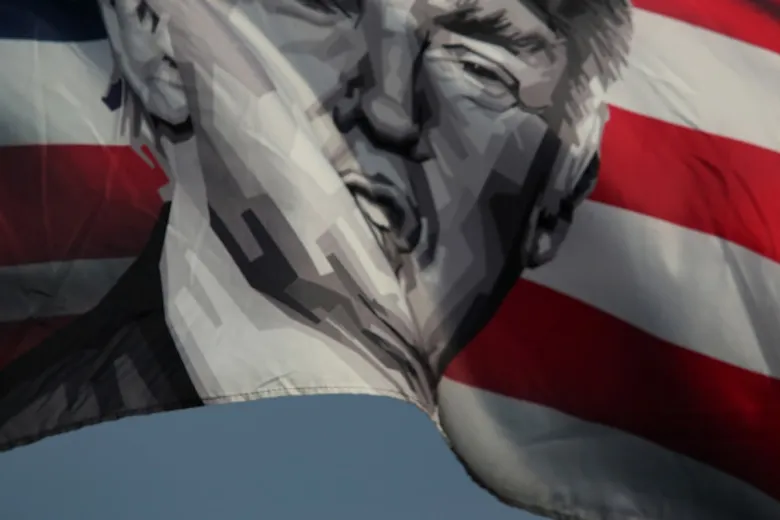
Iran’s retaliation has exposed the limits of U.S. power: Gulf allies were hit despite hosting American bases, the Strait of Hormuz is shut, and global markets are recalibrating around a less reliable Washington. The war’s political and economic fallout accelerates a shift toward multipolarity — a moment many now compare to America’s Suez.
Seven Traps Trump Set for Himself in Iran
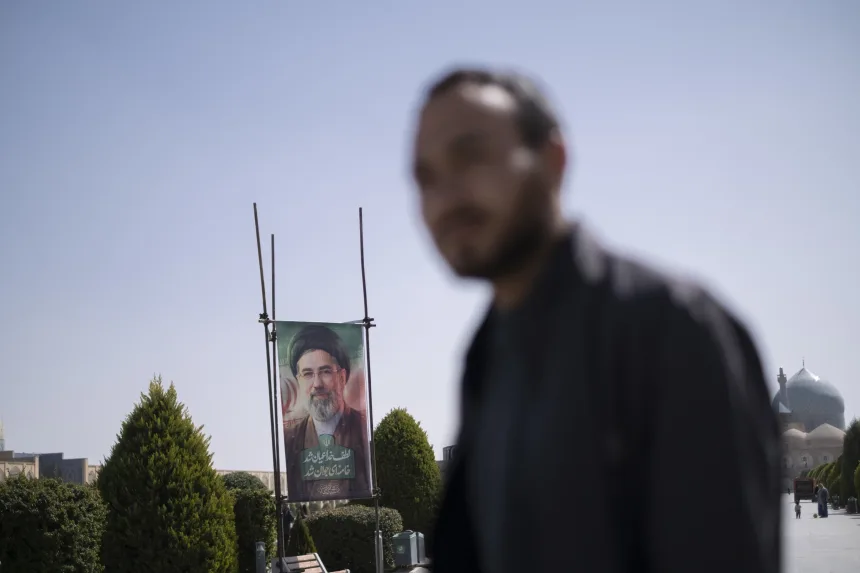
Trump’s Iran war has produced seven self‑inflicted traps: a closed Strait of Hormuz, a harder‑line successor in Tehran, collapsing U.S. public support, Israeli leverage over escalation, unresolved nuclear stockpiles, shifting justifications, and a long war Iran is structurally built to endure. Each constraint narrows his options and accelerates strategic loss.
The Rules-Based Order Is Dead. Trump Just Buried It.
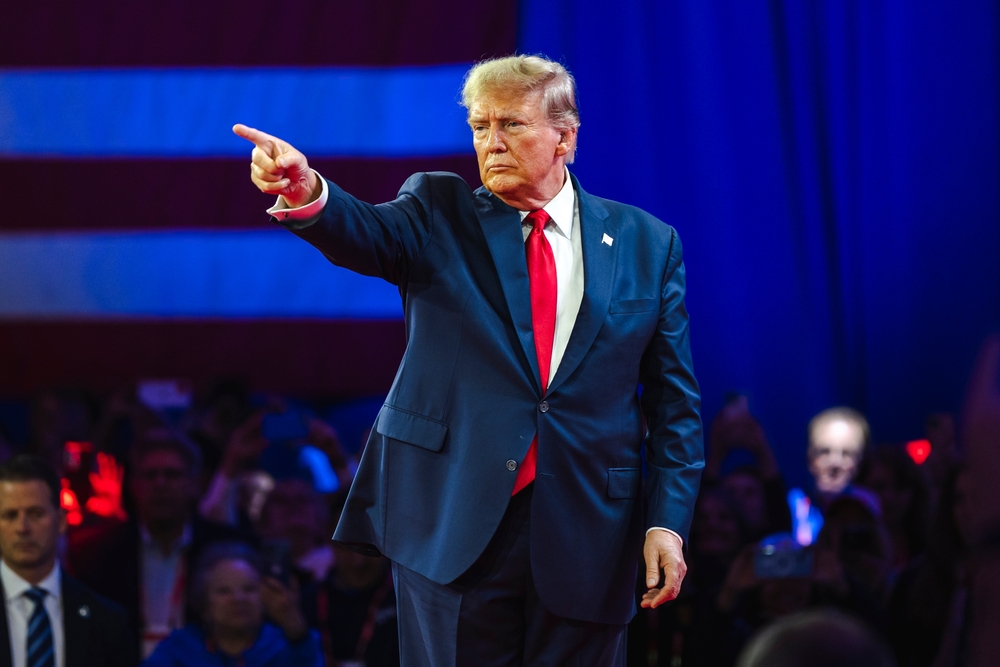
Trump’s 78‑day cascade of abductions, assassinations, tariffs, and an unauthorized war has shattered what remained of the post‑1945 rules‑based order. With the UN Charter sidelined and sovereignty treated as optional, the Global South bears the brunt — from tariffs to aid cuts to oil shocks — as a multipolar, power‑driven world accelerates into view.
Did Two Unqualified Negotiators Talk Trump Into War With Iran?
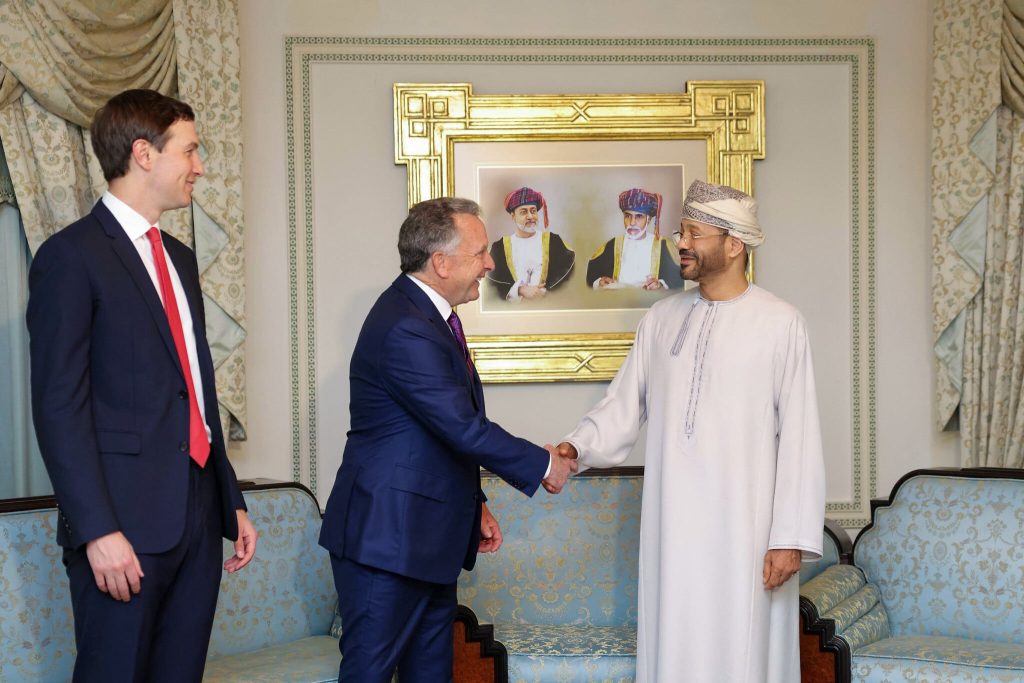
A last‑minute nuclear proposal in Oman collapsed after Steve Witkoff and Jared Kushner — neither a nuclear expert — misread or misrepresented Iran’s concessions. Gulf mediators say Tehran offered unprecedented limits, but the U.S. team walked away. Their advice helped pave the path to war, raising urgent questions about competence, influence, and accountability.