
Iran’s ‘Mosaic Defense’: The Doctrine Built to Outlast Decapitation
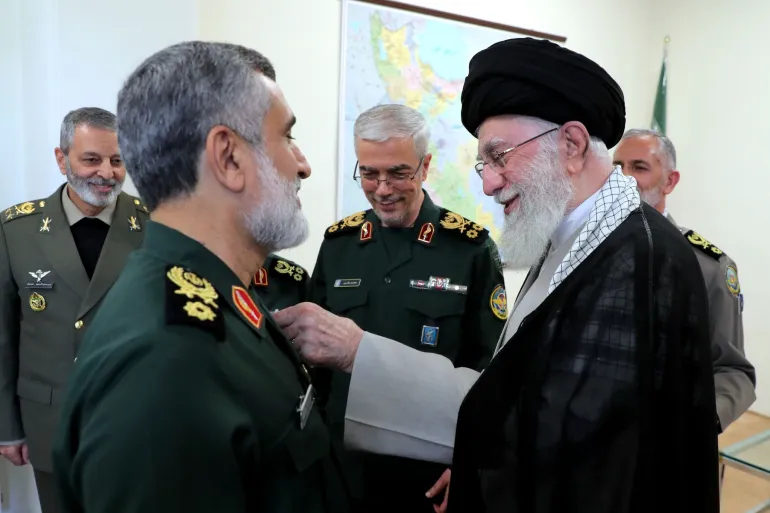
Iran’s “mosaic defense” is built for decapitation: 31 autonomous IRGC units, layered successors, and dispersed stockpiles keep the system fighting despite leadership losses. As Mojtaba Khamenei takes power, fragmented command creates both resilience and volatility — from rogue strikes to Hormuz disruption — turning time, terrain, and cost asymmetry into Iran’s core weapons.
Putin and Trump Talk Iran and Ukraine as Oil Crisis Reshapes Alliances
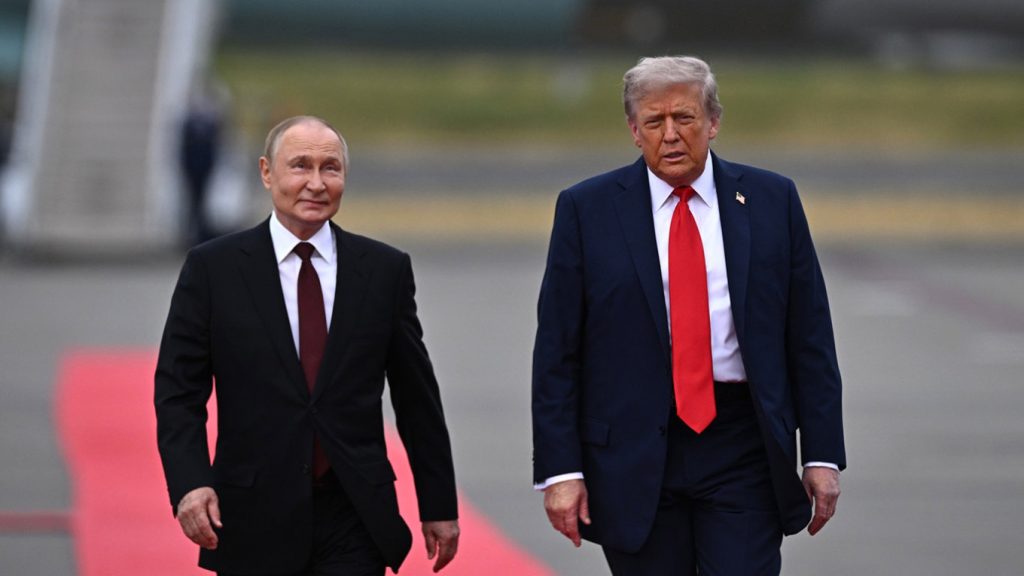
Putin used his first call with Trump since the Iran war began to pose as mediator while backing Tehran and advancing in Ukraine. Trump’s move to ease oil‑related sanctions to curb prices hands Moscow new revenue. With Hormuz disrupted, Russian crude becomes indispensable — turning Washington’s Iran war into a strategic gift for the Kremlin.
Pentagon Says Iran ‘Not More Formidable Than Expected’ as Strikes Intensify
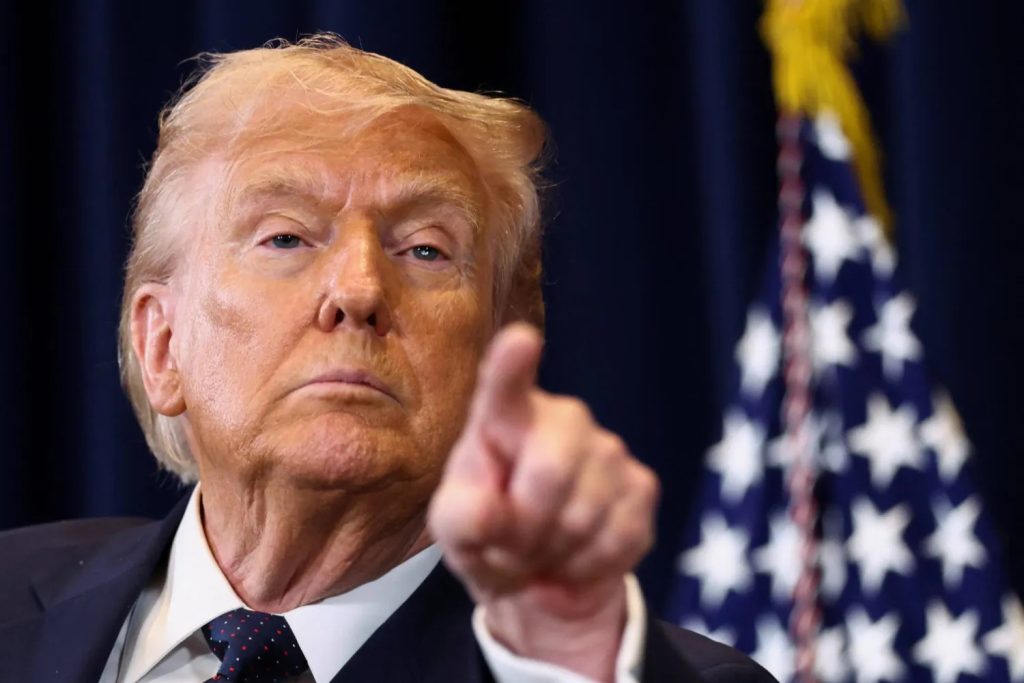
Washington insists Iran is “not more formidable than expected,” even as the war widens: Hormuz traffic has collapsed, oil has surged past $100, and cluster munitions are hitting Israeli suburbs. Cyber intrusions, humanitarian strain, and rising regional casualties expose a widening gap between Pentagon confidence and the conflict’s escalating costs.
US Threatens Iran With ’20 Times’ Harder Response Over Hormuz
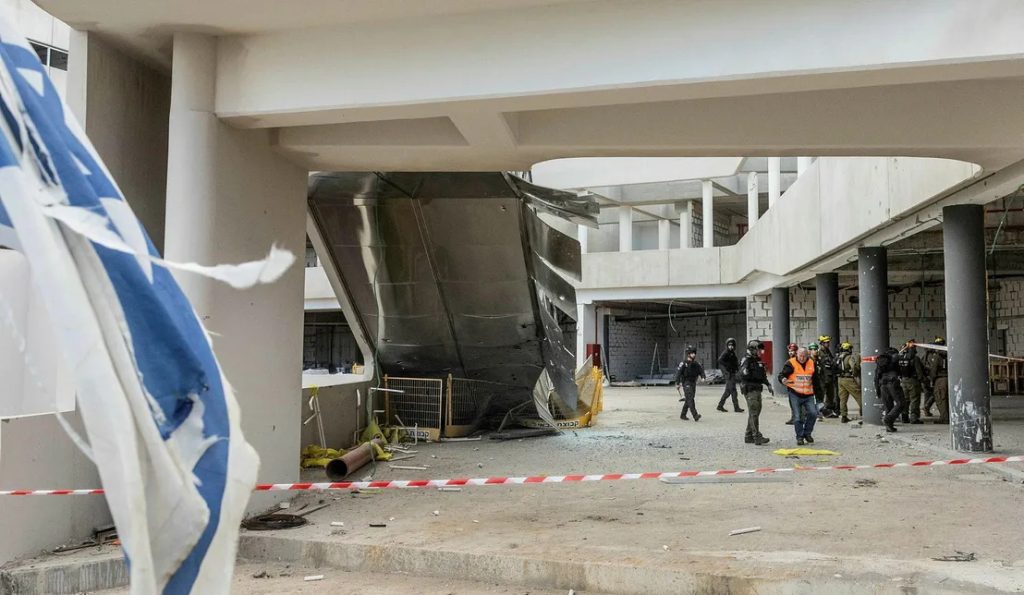
The U.S.–Israel war with Iran has entered a deadly rhythm: heavy American strikes, rising regional casualties, and Iran threatening the Strait of Hormuz. Over 140 U.S. troops are wounded, Gulf states face missile barrages, and oil flows have nearly halted. Trump warns Iran will be hit “20 times harder” if Hormuz is mined.