
Iran and the US: War Drums or a Last-Minute Deal?
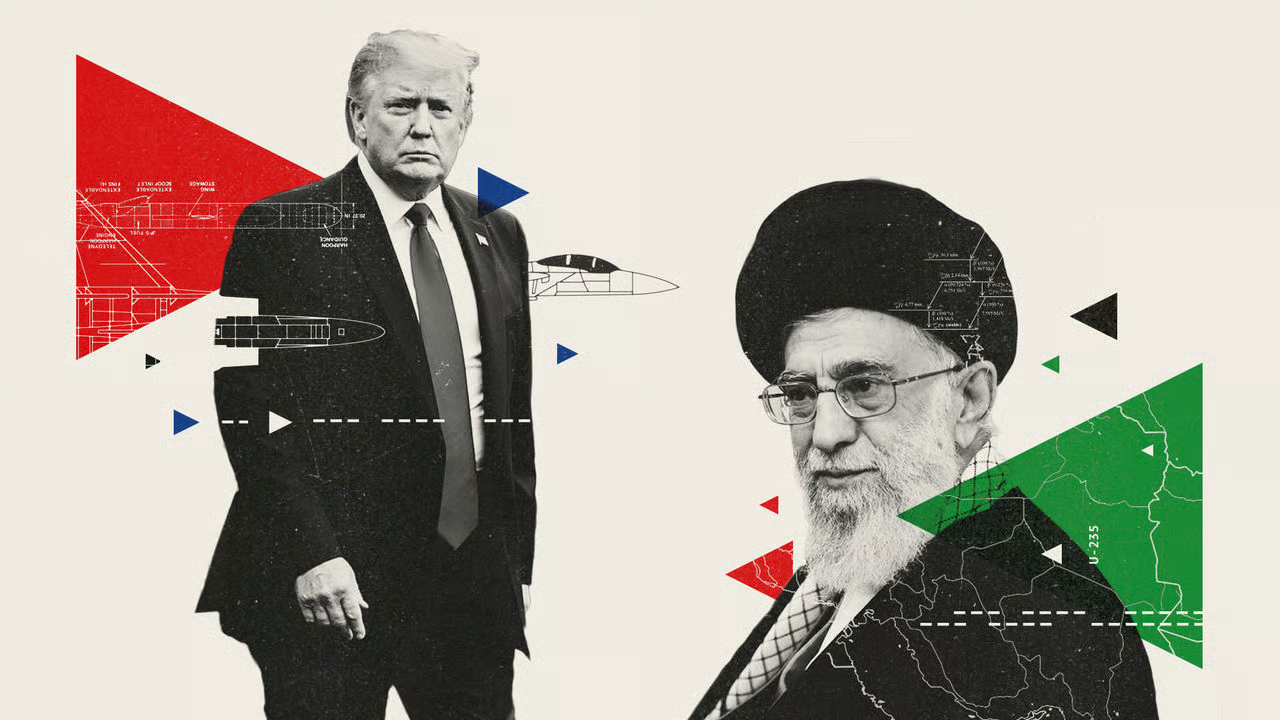
A massive U.S. buildup and Trump’s ultimatum have pushed Washington and Tehran toward a decisive moment. Iran’s weakened economy and protests limit its options, while threats to close the Strait of Hormuz raise global stakes. A narrow deal allowing token enrichment remains possible, but failure could trigger U.S. strikes with unpredictable escalation.
Iran Crisis: What Seven Experts Think Could Happen Next
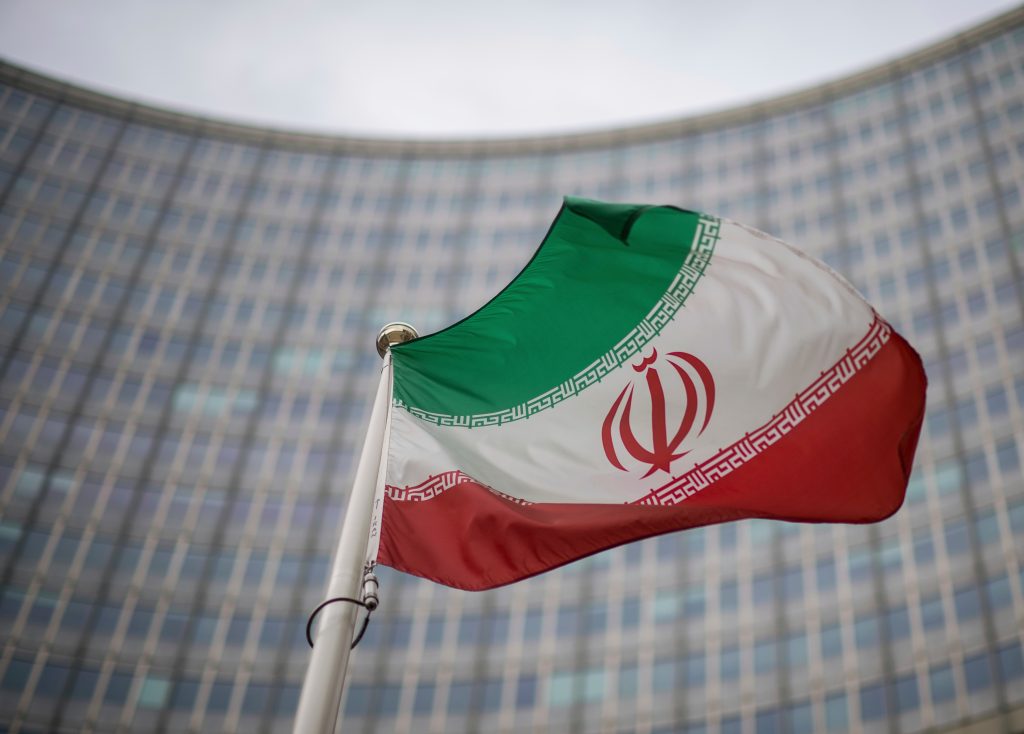
A massive U.S. buildup and stalled diplomacy have created the most volatile U.S.–Iran standoff in decades. Experts disagree whether Trump’s pressure will force a deal or trigger escalation. Iran’s weakened regime, internal unrest, and unpredictable IRGC commanders heighten risks. With both sides misreading each other, even a “limited strike” could spiral fast.
Rojava’s End: How Washington Discarded Its Kurdish Allies

Rojava collapsed after Damascus seized most DAANES territory, ending a decade‑long Kurdish experiment dependent on U.S. protection. Washington shifted support to Syria’s new government, transferring thousands of ISIS detainees. As Kurdish forces are absorbed into the state, attention turns to Iran’s Kurdish movements — the next potential pressure point in regional geopolitics.
Ukraine’s Fifth Year: What Does Putin Actually Want?
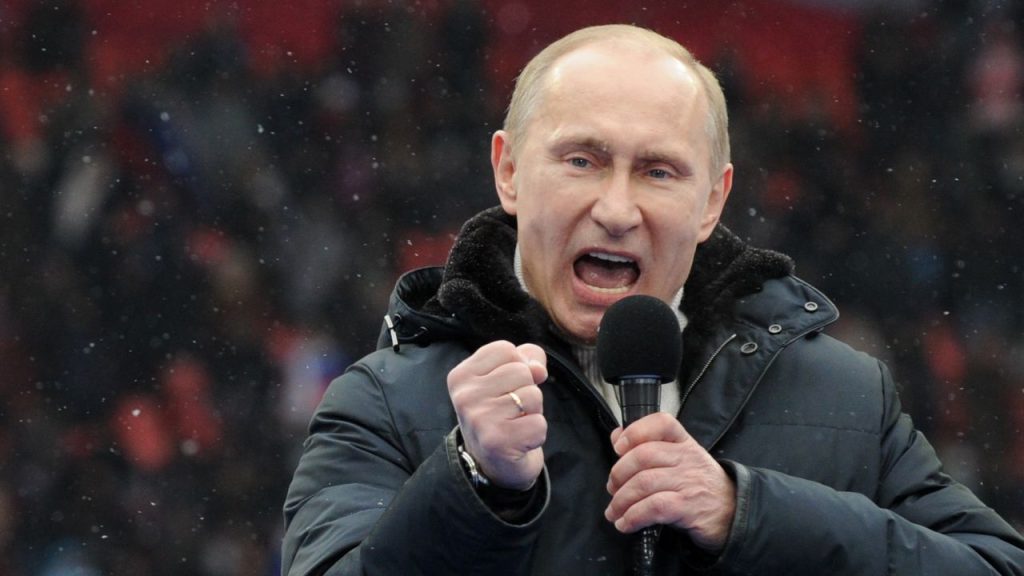
Four years in, Russia controls 20% of Ukraine but still lacks its stated goals. Analysts disagree whether Putin seeks limited territorial gains or political control over all of Ukraine. U.S.‑led talks hinge on territorial concessions Kyiv rejects. With no viable security guarantees, the war’s fifth year begins without a credible path to peace.
Indonesia’s Minerals Deal: A Strategic Win or a Costly Surrender?
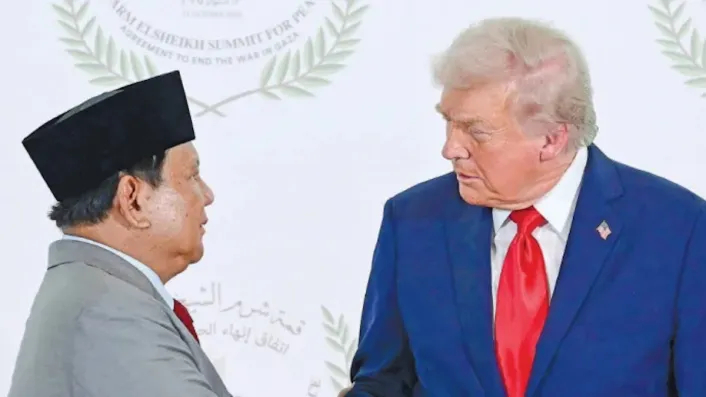
Indonesia’s tariff deal with Washington risks unraveling its hard‑won nickel industrial policy. The agreement lifts U.S. levies but pressures Jakarta to relax export restrictions without securing binding processing or technology commitments. With China dominating refining and EV markets shifting away from nickel, the deal could weaken Indonesia’s leverage unless renegotiated.