
Israel’s Death Penalty Bill Targets Palestinians

Israel’s proposed death‑penalty bill creates a two‑track system that overwhelmingly targets Palestinians, applying capital punishment through military courts with no appeals. Rights groups warn it violates the Fourth Geneva Convention and entrenches discrimination. Amid reports of torture and deaths in custody, critics say the bill would formalize abuses already occurring inside Israel’s detention system.
US-Iran Nuclear Talks Walk a Razor’s Edge
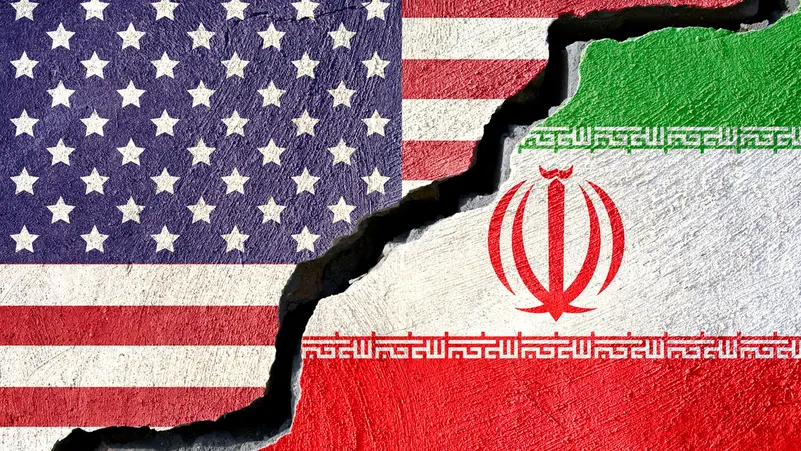
US–Iran talks resume in Geneva as both sides escalate militarily. Washington’s deadline and massive buildup collide with Tehran’s threats to close the Strait of Hormuz. The core dispute remains enrichment. If Iran offers verifiable limits and expanded IAEA oversight, a deal is possible; if not, Trump is weighing military options.
Four Years of War: Ukraine Demands Action Over Words
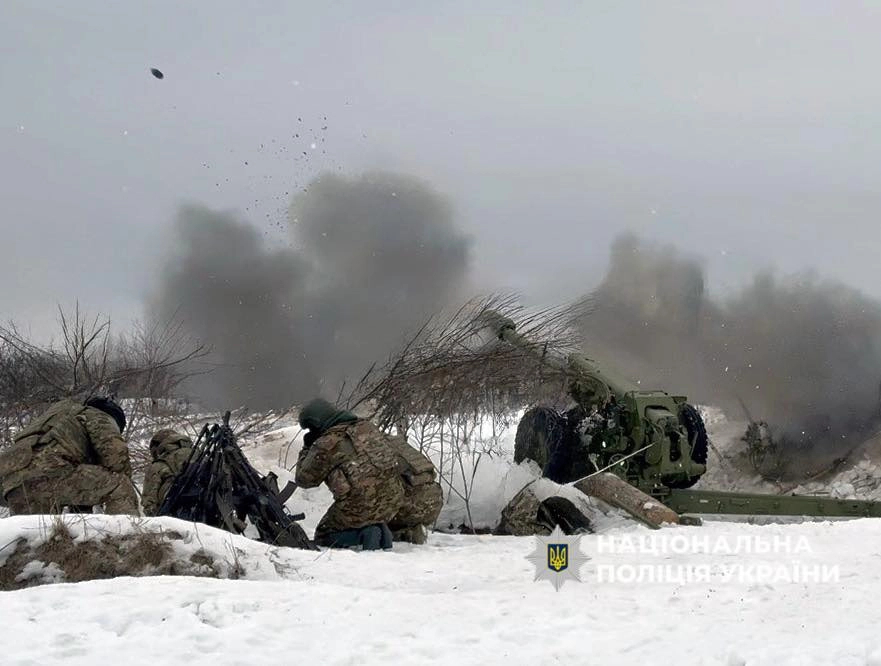
Four years into Russia’s invasion, Ukraine faces a grinding stalemate as Western aid shifts. U.S. support has sharply declined while Europe shoulders most military and financial assistance. Sanctions strain but don’t break Russia. Ukraine demands air defense and sustained backing to prevent further losses and secure its future.
Global Trade Caught Between American Chaos and Chinese Calm
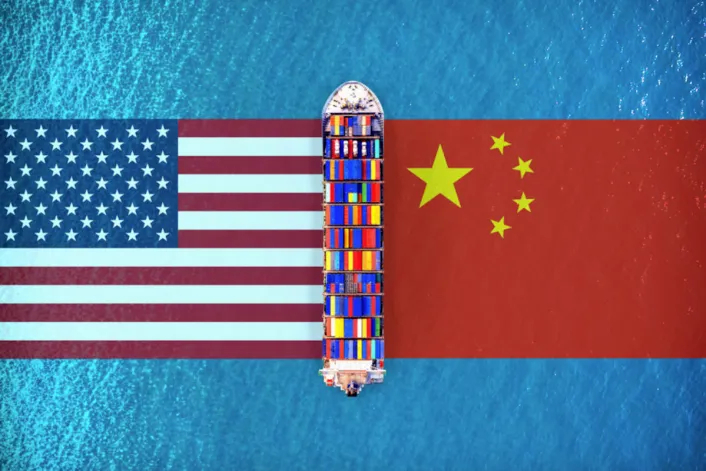
Global trade is being squeezed between U.S. tariff volatility and China’s projection of stability. Trump’s rapid tariff shifts froze the EU’s Turnberry deal and rattled partners from India to ASEAN. Meanwhile, China’s record surplus masks weak domestic demand. For third countries, the real choice is between American policy whiplash and Chinese dependency.
ISNAD’s Shift From Wartime Propaganda to Long-Term Social Warfare
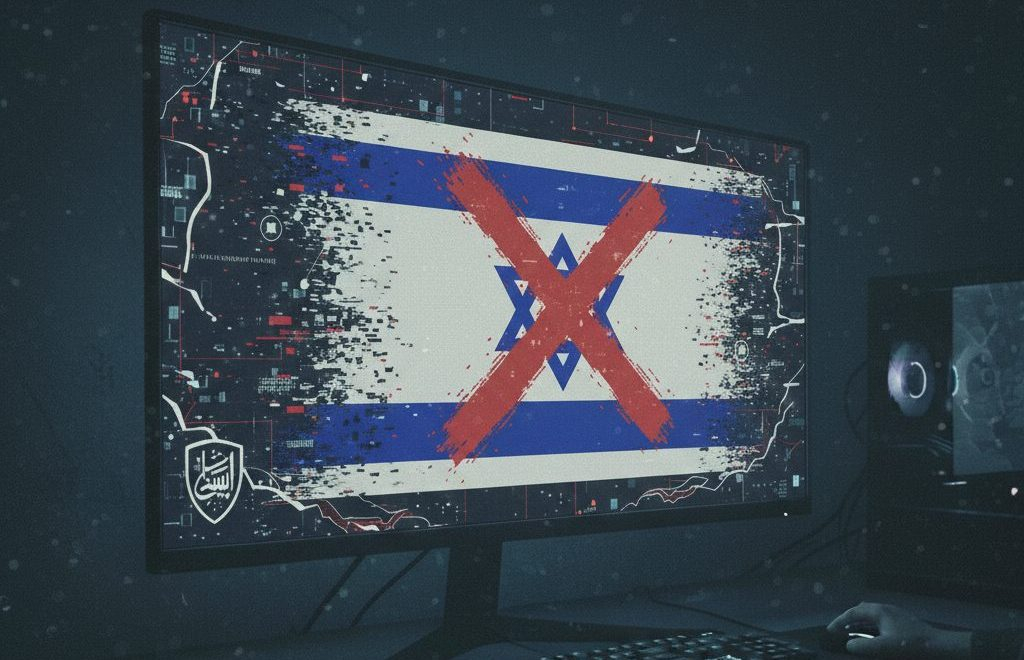
The ISNAD network has shifted from wartime agitation to long‑term influence operations, using fake Hebrew accounts to erode Israeli social cohesion. Its new “sociological warfare” strategy promotes polarization, distrust, and emigration. With tighter organization and ideological volunteers, ISNAD offers a replicable model of civilian‑style interference that democracies are still struggling to counter.