
Turkey’s Sunni Coalition Push Reshapes Middle East Power
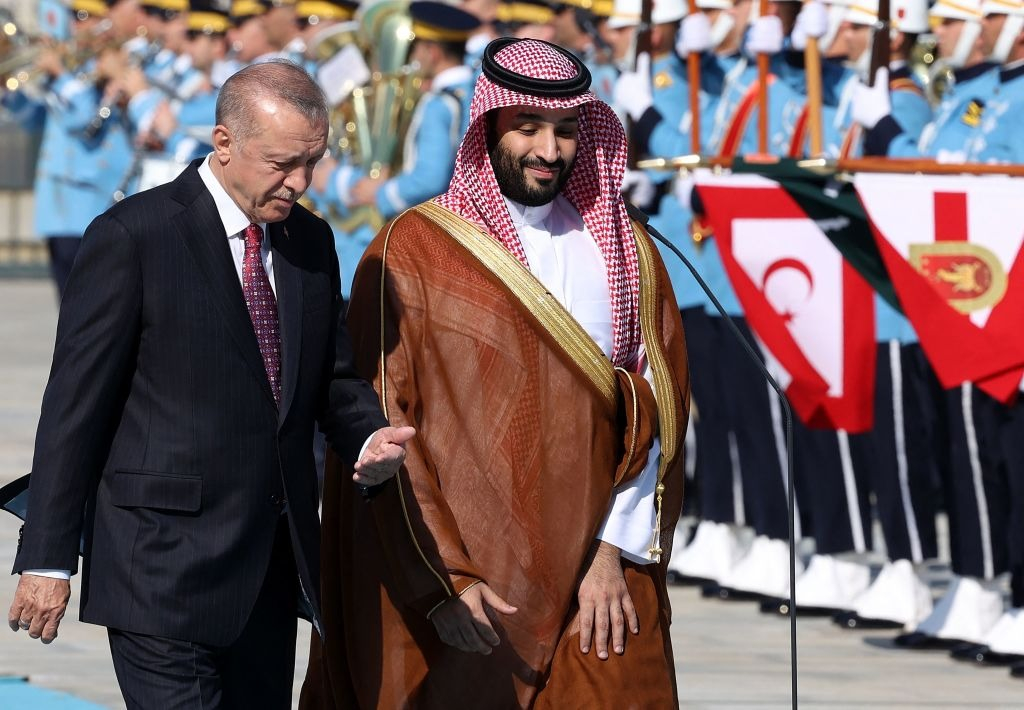
Turkey is building a new Sunni‑majority alignment through rapid diplomacy with Saudi Arabia, Egypt, and Jordan. Arms deals, industrial cooperation, and coordinated statements on Gaza signal Ankara’s expanding influence. But rival ambitions, Gulf hedging, and Israel’s resistance to Turkish involvement in Gaza could limit how far this emerging coalition can solidify.
Russia Wants the Dollar Back — and BRICS Should Be Worried

Russia is quietly considering a return to the dollar system, reversing years of anti‑dollar rhetoric. Economic strain, slowing growth, and dependence on China are driving the shift. If Moscow abandons de‑dollarization, the BRICS project looks less like an alternative order and more like leverage — exposing the limits of the bloc’s monetary ambitions.
US vs. Iran: Three Strike Options as Diplomacy Stalls
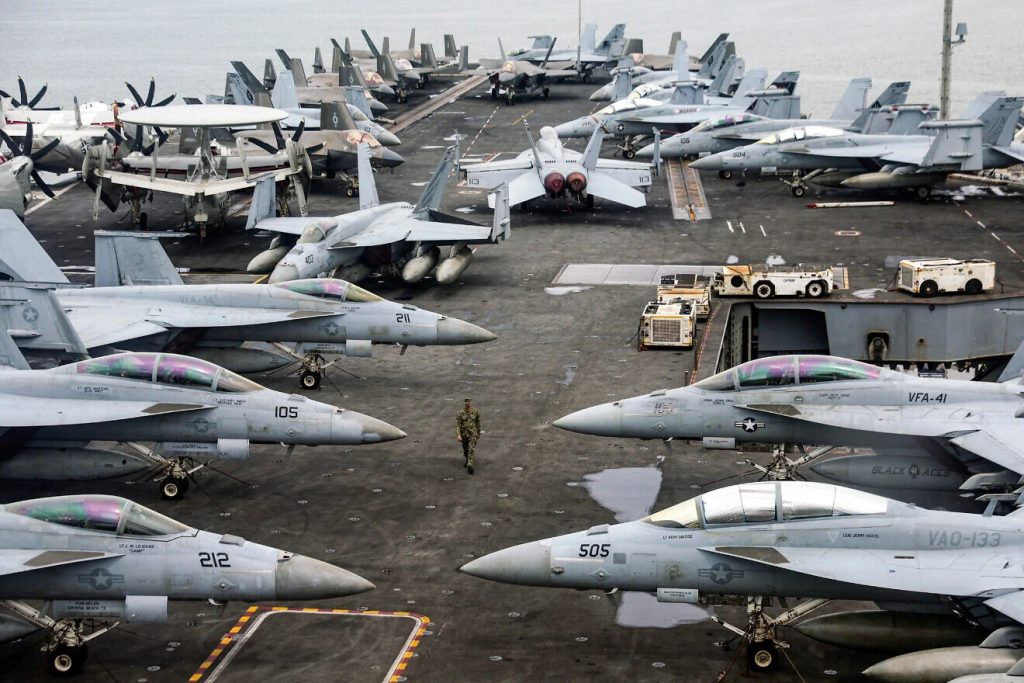
A massive U.S. buildup has positioned two carrier groups and stealth bombers for strikes on Iran. Washington is weighing three options: regime‑targeted attacks, strikes on nuclear sites, or an economic‑military squeeze. Tehran signals it will retaliate through missiles and its regional proxy network. With diplomacy stalled, the risk of rapid escalation is rising.
Pakistan and Turkey Are Breaking the Western Monopoly on Airpower
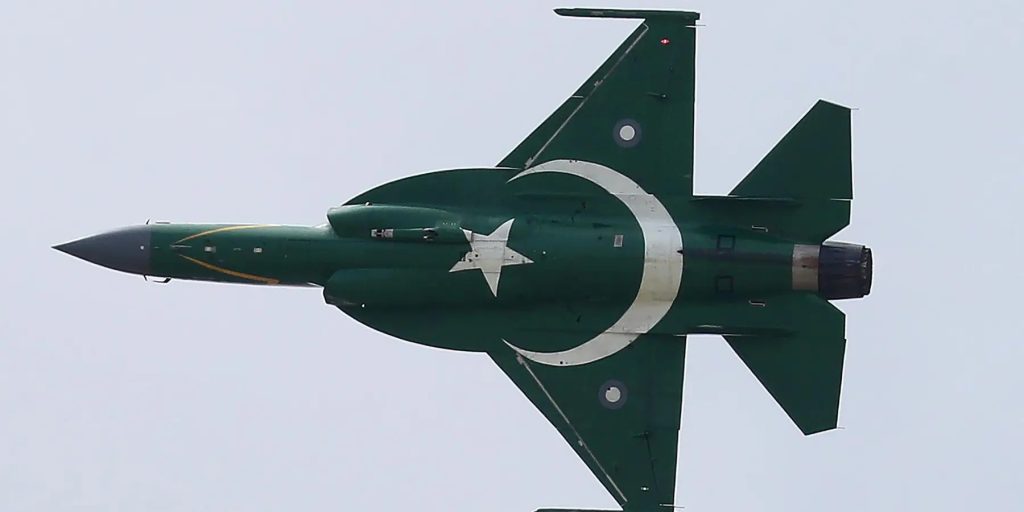
Pakistan’s JF‑17 and Turkey’s Bayraktar drones are eroding Western dominance in airpower. Cheap, combat‑tested, and free of political conditions, they’re winning major export deals across Asia, Africa, and the Middle East. As Washington pushes back, a multipolar arms market is emerging — reshaping who can project power from the skies.
The U.S.-Iran Confrontation: Why Diplomacy May Fail and What War Could Unleash
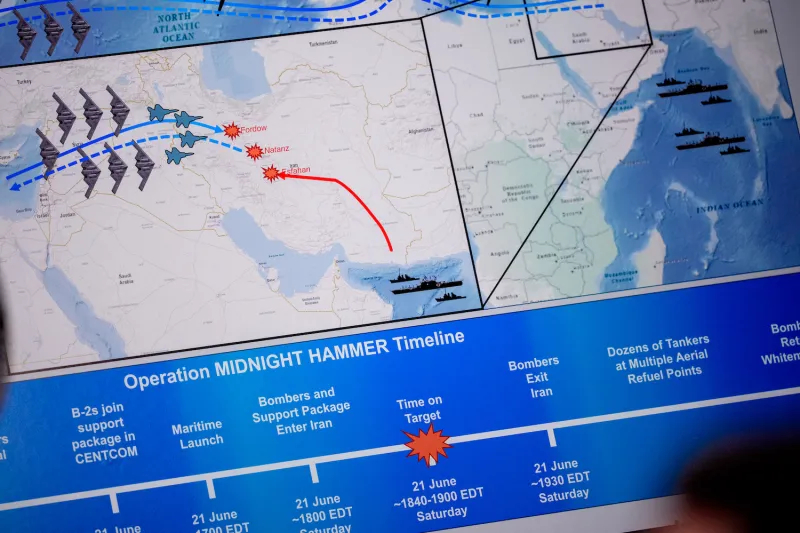
As a massive American armada gathers and negotiations stall, the path to conflict narrows — with unpredictable consequences for Iran, the region, and global energy markets.