
NATO’s Arctic Sentry: Deterrence Without Guardrails
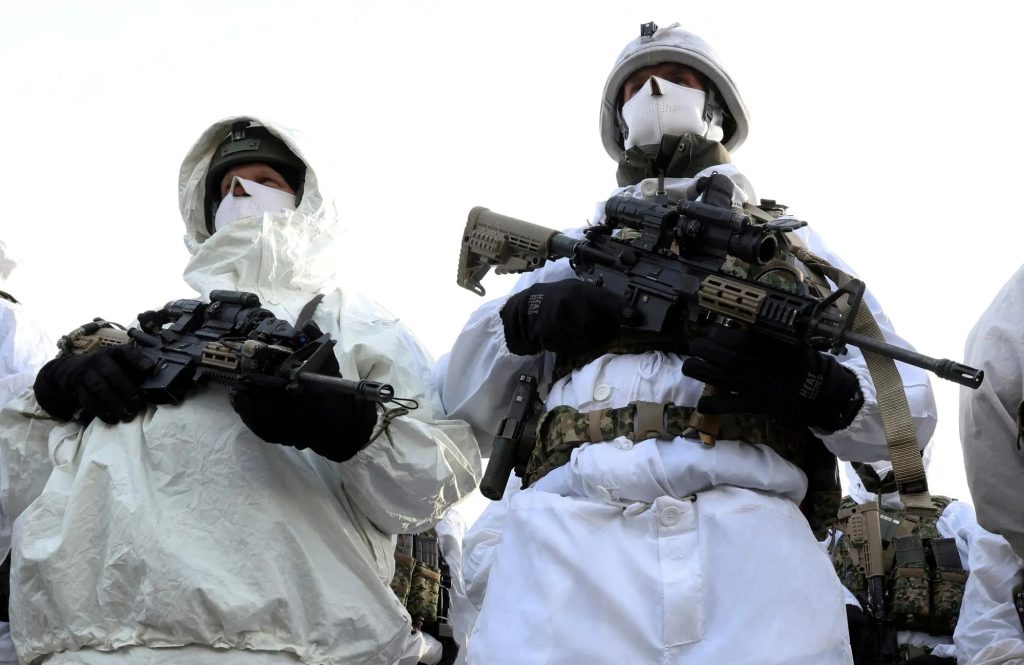
NATO’s new Arctic Sentry unifies allied operations in the High North, but it emerges amid tensions triggered not by Russia, but by Trump’s threats to annex Greenland. The buildup expands deterrence without communication channels, raising the risk of accidents in a nuclear‑sensitive region. With Russia unengaged diplomatically, even a minor incident could spiral into unintended conflict.
Maduro Is Gone, but 8 Million Venezuelans Are Still Trapped
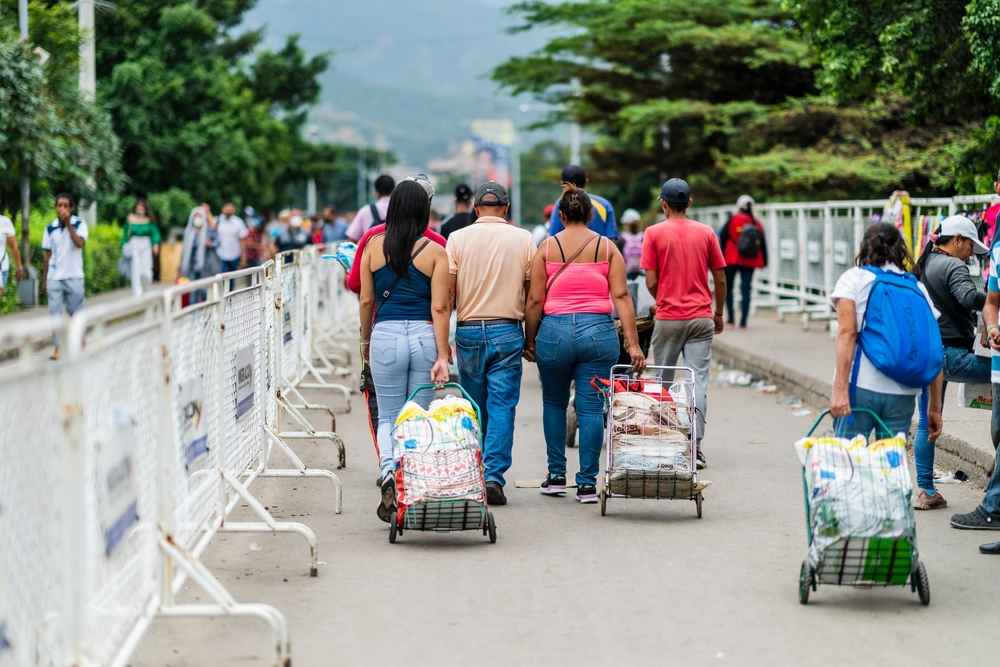
Maduro’s capture hasn’t ended Venezuela’s crisis. Nearly 8 million Venezuelans abroad still rely on temporary protections now at risk of being revoked. With TPS ended in the U.S. and permits expiring across Latin America, millions face possible deportation to a country still unstable and economically collapsed. Removing one leader hasn’t resolved the conditions that forced them to flee.
Beijing’s Calculus in the US-Iran Standoff
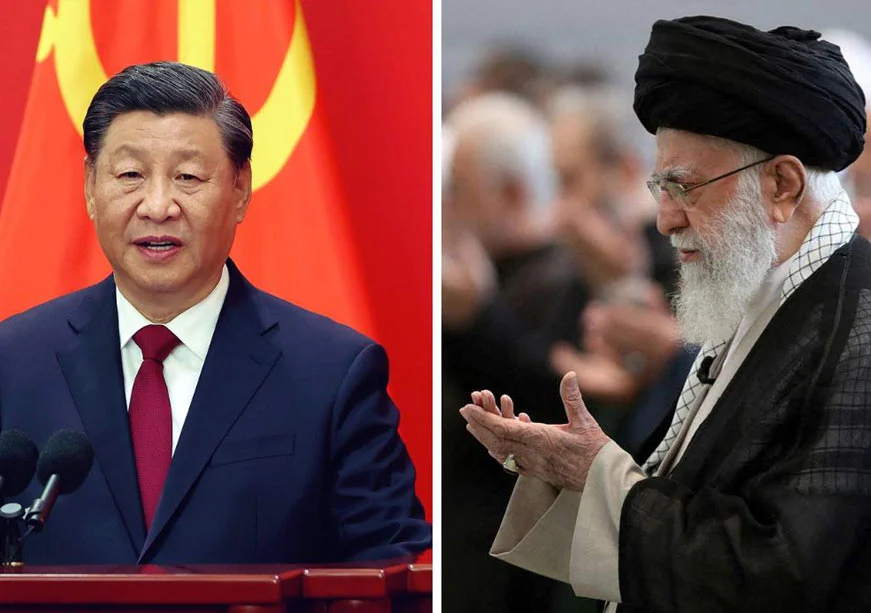
Beijing views the US‑Iran standoff as both a threat to its energy security and an opportunity to portray Washington as unstable. China sees Trump’s shifting deadlines, dual‑carrier deployments, and stalled diplomacy as politically driven escalation. With Iran reliant on Chinese oil purchases, Beijing expects prolonged tension that drains US focus without triggering a regional war that disrupts Chinese trade.
America’s Iran Buildup: A 30-Year Pattern of Strategic Failure
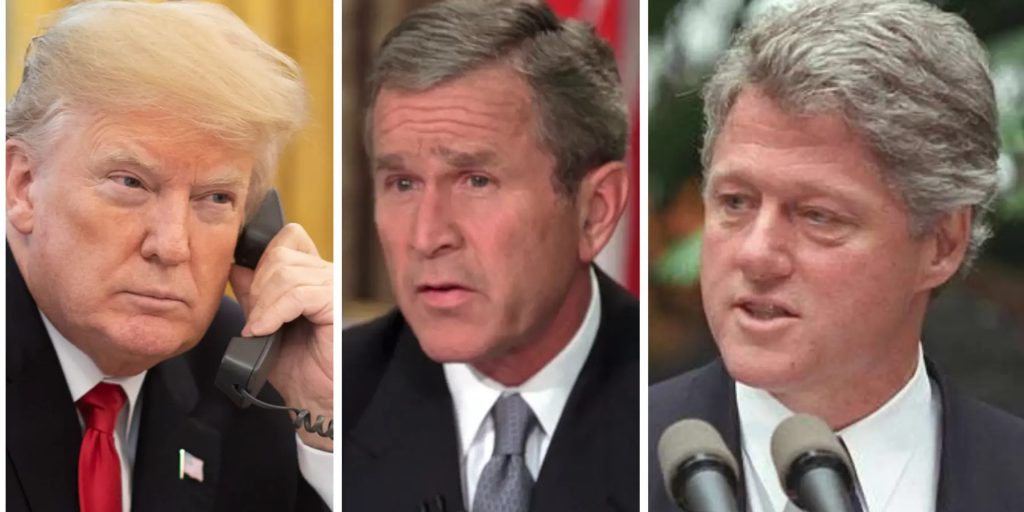
The U.S. has deployed its largest force near Iran since 2003, but Washington lacks a clear objective. Trump’s shifting demands, stalled diplomacy, and massive military buildup create momentum toward conflict. After decades of failed interventions, Iran’s hardened defenses and great‑power involvement raise the risk of escalation. The core question remains unanswered: what happens after the strikes?