
US and EU in the Middle East: Allies With Different Playbooks
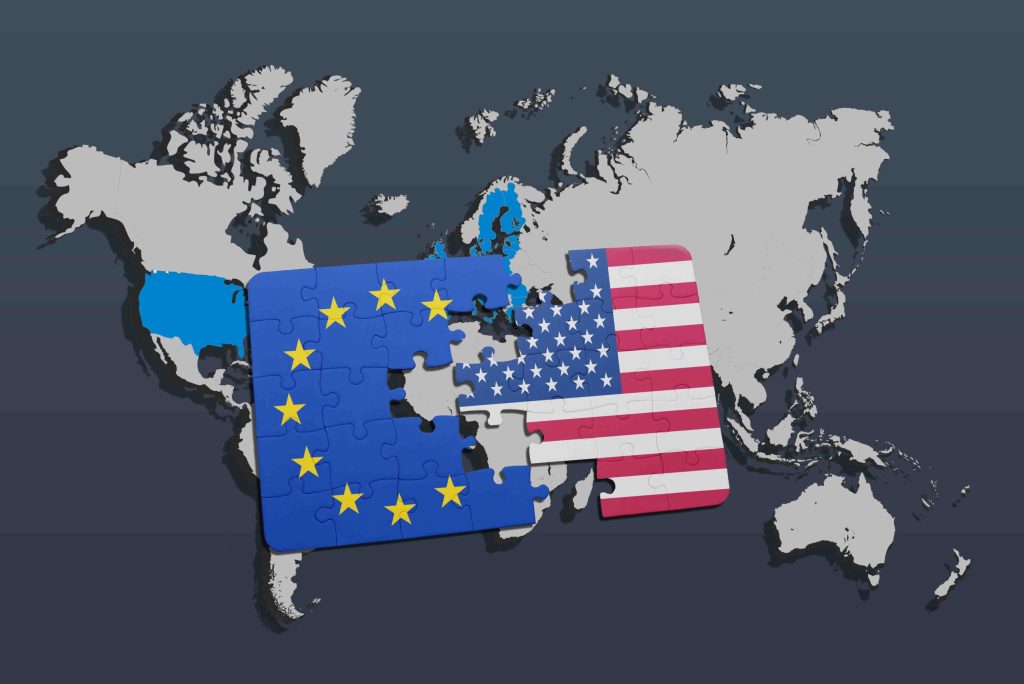
Washington and Brussels still share the same core goals in the Middle East: prevent nuclear proliferation, avoid regional war, stabilize energy flows, and suppress jihadist networks. But they now pursue those goals with different playbooks, shaped by diverging political cultures, institutional habits, and strategic priorities.
Trump’s Branding Obsession: Polling Shows Even His Voters Aren’t Buying It
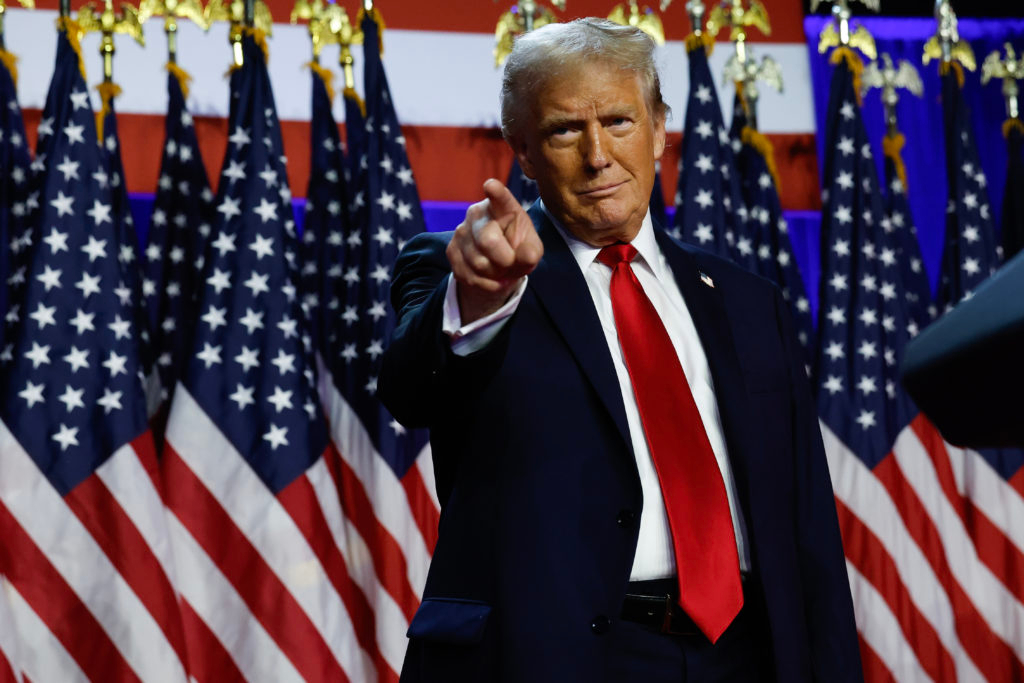
Trump’s second‑term push to rename landmarks, erect monuments, and stamp his name onto federal institutions is running into a wall of public rejection. Polling shows Americans oppose every major renaming or construction project — and in most cases, so do Trump’s own voters. The White House is pursuing a legacy in marble and signage while the electorate is signaling, loudly, that it wants something else entirely.
Trump’s Arms Export Overhaul Threatens Indo-Pacific Ties

The new “America First” arms‑transfer strategy is not a bureaucratic tweak. It is a fundamental reordering of how Washington decides who gets weapons, when, and why. By ranking partners based on defense spending, geographic utility, and economic benefit to the U.S., the administration has replaced alliance‑building with transactional filtering.
Progressive Capture: Why the Democratic Party Cannot Find the Center
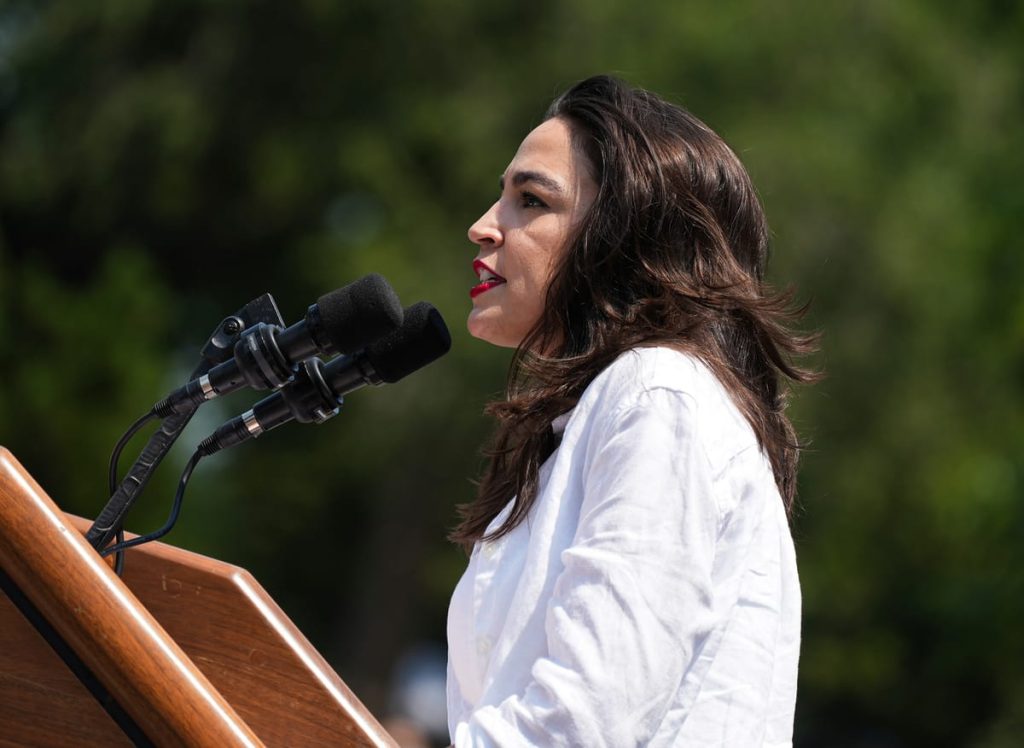
The Democratic Party’s post‑2024 identity crisis is not a messaging problem. It’s an infrastructure problem. The party cannot pivot to the center because the mechanisms that shape political careers — endorsements, funding pipelines, activist networks, and primary gatekeepers — are controlled by ideological actors who punish deviation long before a candidate reaches national office.
New Economic Data Shows Americans Pay 90% of Tariff Costs
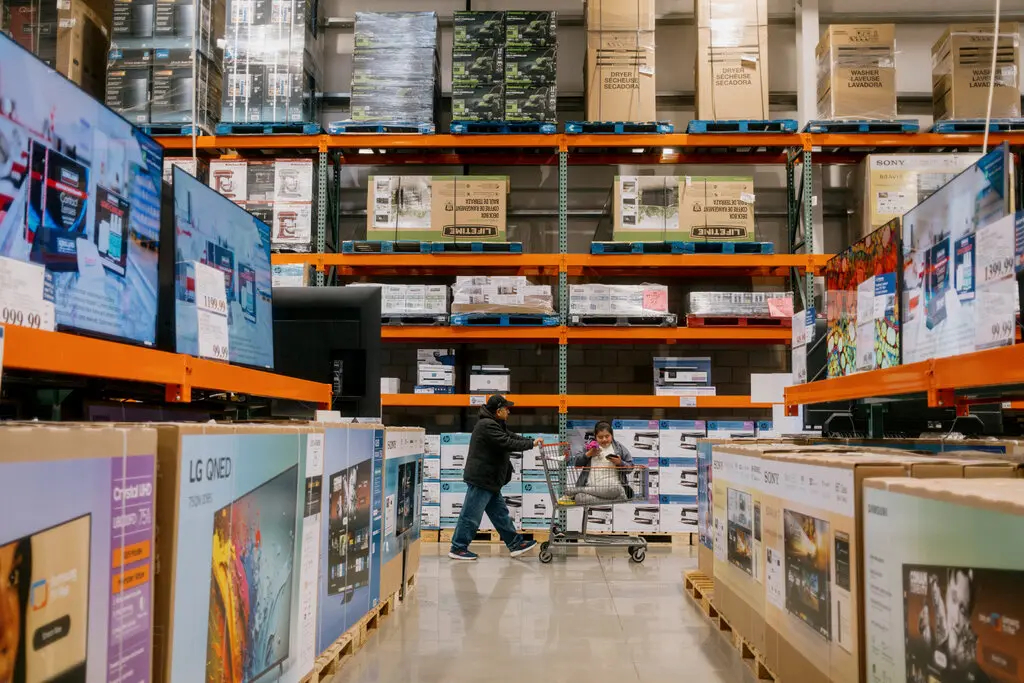
The newest research from the Federal Reserve Bank of New York confirms what every serious economist already knew: tariffs function as a domestic tax, and American households and businesses pay almost all of it. Between early 2024 and late 2025, roughly 90% of tariff costs stayed inside the United States, mirroring the pattern from the 2018–2019 trade war.
Minneapolis Built a Playbook to Fight ICE — Now It’s Going National

Operation Metro Surge was supposed to be a demonstration of federal strength. Instead, it became a demonstration of how quickly a city can mobilize when it already has the muscle memory of protest, mutual aid, and decentralized coordination. Minneapolis didn’t defeat ICE — but it did something more important: it created a template.
Europe’s Defense Awakening: Ready for War Without Washington?
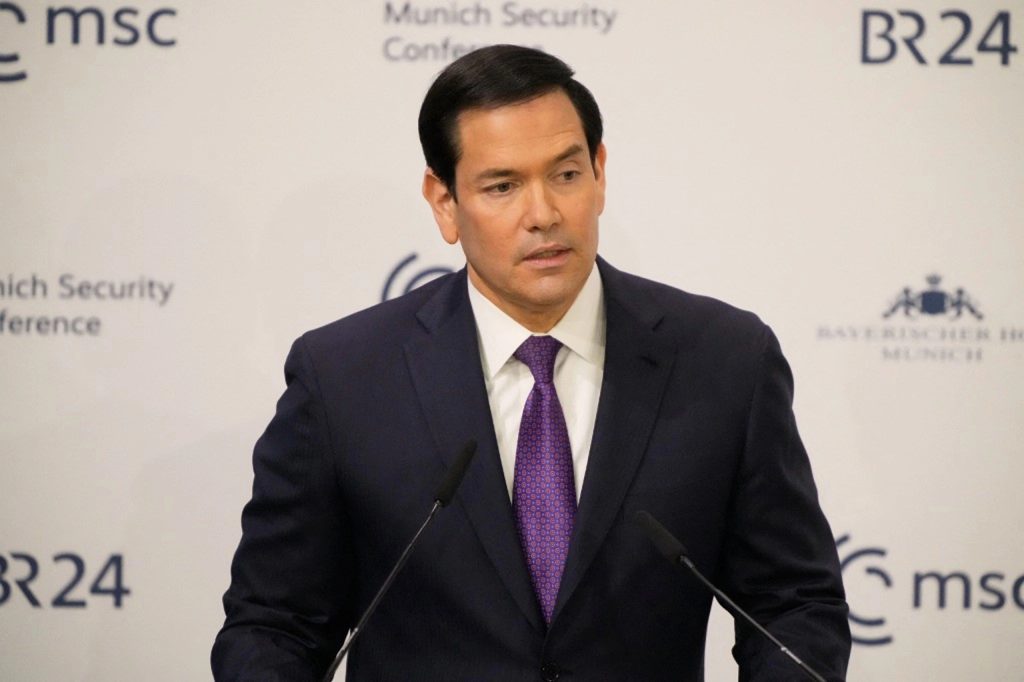
Munich 2026 revealed a continent in transition: spending more, planning further ahead, and finally treating defense as a core function of statehood rather than a budgetary inconvenience. But it also revealed a Europe still psychologically tethered to Washington, even as Washington signals that its patience, priorities, and commitments are no longer what they once were.
BRICS and the Quest for a Neutral Global Currency

The global economy is now fully multipolar in production and consumption, yet its financial backbone still runs through a single national currency. That mismatch — a 21st‑century world running on 1944 plumbing — is what BRICS is trying to correct. Not by dethroning the dollar with the renminbi, but by building a neutral clearing system that avoids the trap of replacing one hegemon with another.