
India’s Multipolar Gamble With the Arab World
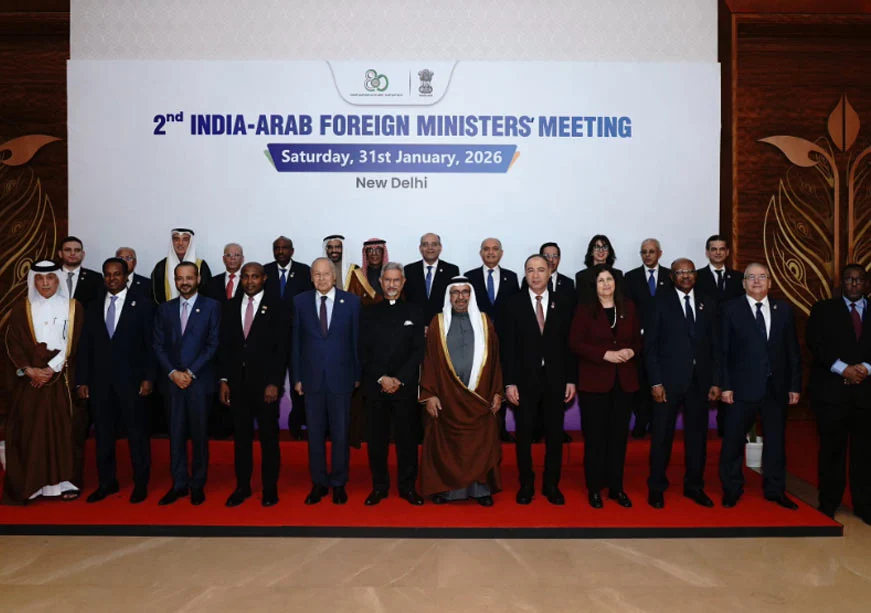
The revival of the India–Arab Foreign Ministers’ Meeting after a decade isn’t just a diplomatic reunion. It’s a sign that both India and the Arab world are trying to position themselves in a world where the Western-led order is cracking from within — and where Washington’s reliability can no longer be assumed.
Gaza’s Demilitarization Trap: Why Disarmament Spells Erasure
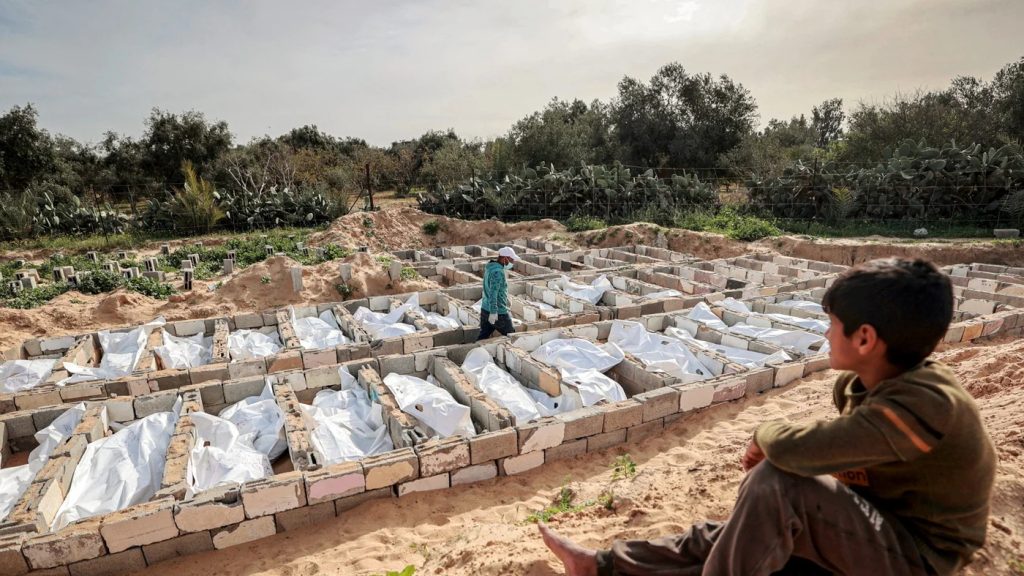
The ceasefire may have paused the bombing, but it has not paused the machinery of dispossession. With more than 71,600 Palestinians killed and a humanitarian system collapsing under blockade, Washington and Tel Aviv have made reconstruction conditional on one thing: disarmament. For Palestinians, this is not a peace plan — it is a demand to surrender the last remaining instrument of political agency.
Europe’s Hard Pivot Toward Financial and Digital Sovereignty
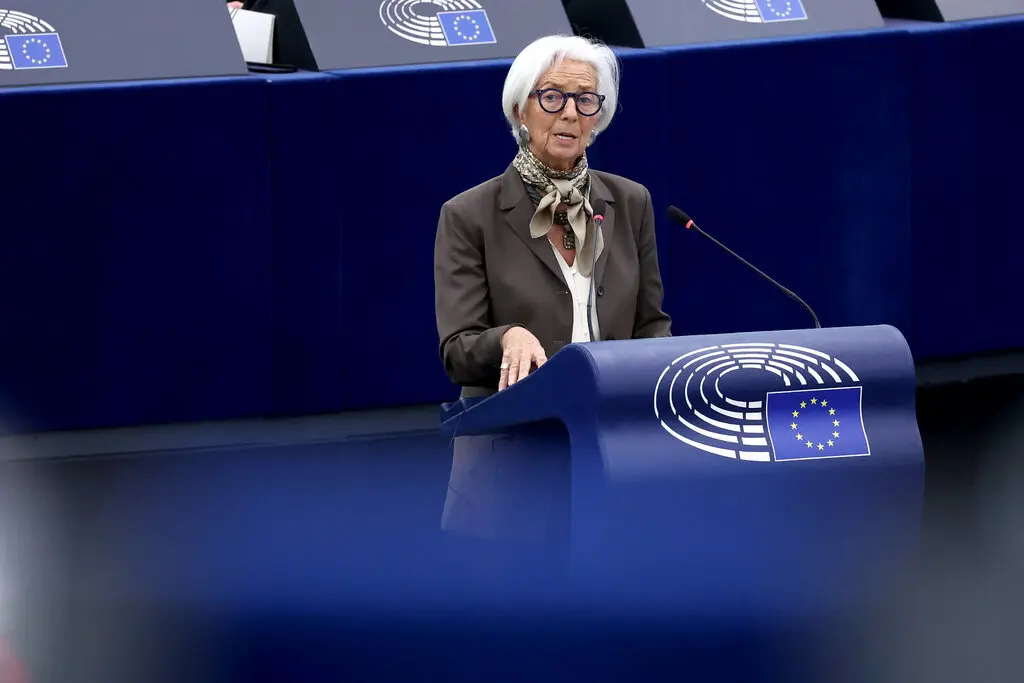
For decades, Europe treated American digital infrastructure and financial networks as neutral utilities. That illusion has collapsed. The combination of extraterritorial U.S. laws, sanctions used as administrative weapons, and the growing willingness of Washington to threaten allies has forced European governments to confront a simple truth: dependency equals vulnerability.
BRICS and the Dollar: Can an Emerging Bloc Reshape Global Finance?
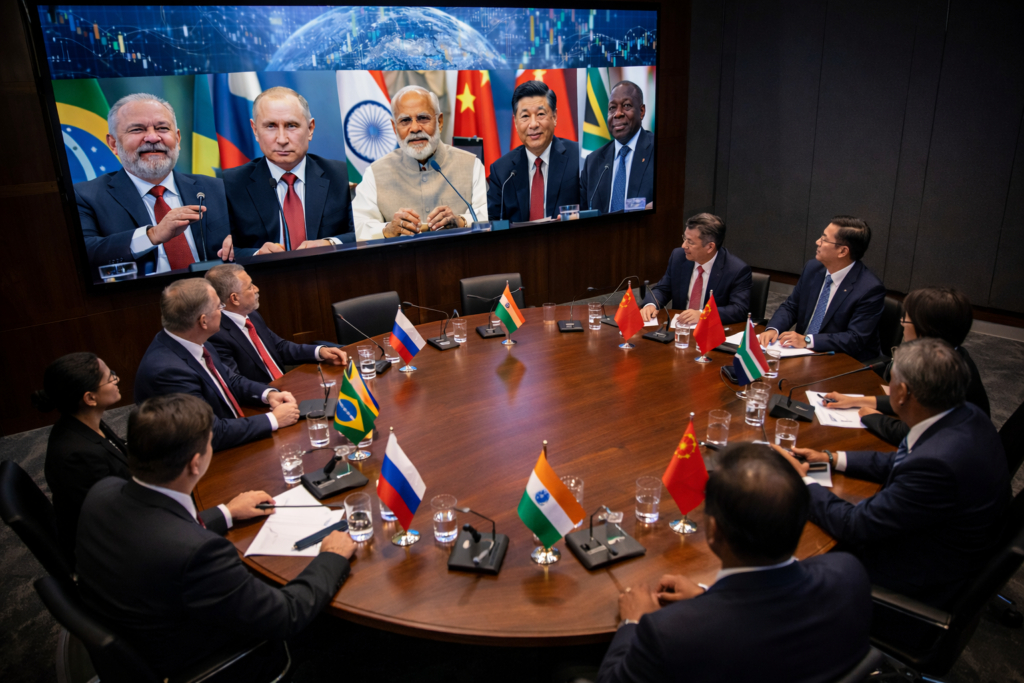
BRICS has evolved from a clever acronym into a geopolitical project large enough to unsettle Washington. Trump’s 2025 tariff threats — and the panic triggered by his Spain “BRICS” gaffe — reveal how seriously the U.S. now treats the bloc. With 20 members and partners, BRICS+ represents a demographic and economic mass that rivals the G7, even if its internal cohesion remains uneven.
Beyond Iraq: The High Cost of a Conflict With Iran
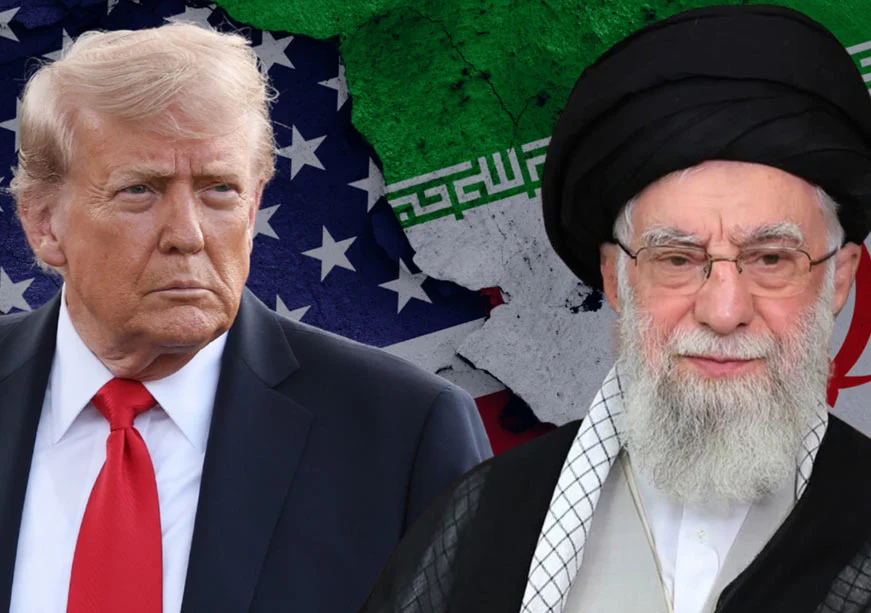
The renewed deployment of U.S. naval power to the Gulf has revived a debate that Washington never fully resolved: can the United States coerce Iran militarily without triggering a regional or global crisis. The answer, increasingly, is no. Iran is not Iraq — not geographically, not militarily, not diplomatically, and not economically. Any conflict would be multidimensional, prolonged, and globally destabilizing.
Beijing Builds a Digital Great Wall to Shield Iran From Mossad

China is no longer treating Israeli covert operations inside Iran as a distant regional issue. For Beijing, the recent wave of sabotage, assassinations, and radar penetrations has revealed a new model of warfare — one that blends cyber infiltration, internal disruption, and precision strikes. And because Iran sits at the heart of China’s Belt and Road energy corridor, Beijing now sees Iranian vulnerability as Chinese vulnerability.
Ankara’s Legal War on Israel Reshapes the Region
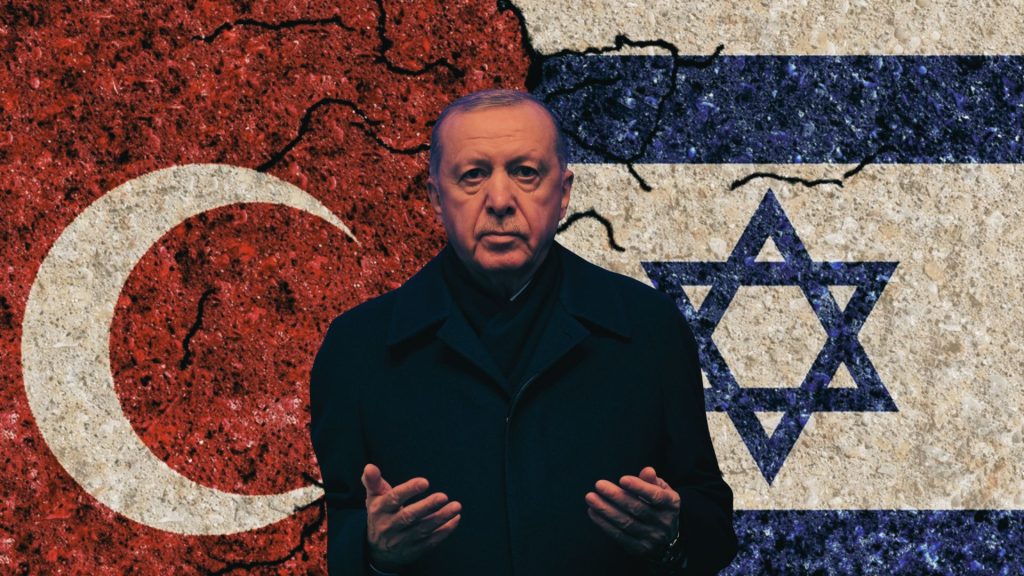
Turkey is no longer treating its dispute with Israel as a diplomatic quarrel. It has transformed the relationship into a multi‑front legal, economic, and institutional confrontation designed to outlast the Gaza war and reshape regional norms. What began as political outrage has evolved into a sustained strategy of prosecution, isolation, and norm‑setting — a shift far more consequential than the Mavi Marmara rupture of 2010.