
When Military Shows of Force Replace Political Solutions: The Contradiction at the Heart of U.S. Haiti Policy

In early 2026, Haiti has reached a critical juncture where the expiration of the Transitional Presidential Council (TPC) mandate has paved the way for a more overt U.S. military presence in the Caribbean. The arrival of warships in the Bay of Port-au-Prince on February 4, 2026, underscores a century-long pattern: when Haitian institutions falter, Washington resorts to “Gunboat Diplomacy.”
The Collapse of Democratic Consensus

In early 2026, the “Collapse of Democratic Consensus” in the United States is no longer a theoretical risk—it is a measurable statistical reality. The transition from partisan disagreement to regime delegitimation is being driven by a historic hollowing out of the political center and an unprecedented alienation of the youth.
Regional Hegemonies Under Strain: Why Great Powers Dominate Their Neighborhoods

In early 2026, the structural logic of regional hegemony has moved from theoretical debate to high-stakes reality. While major powers (the U.S., China, and Russia) are doubling down on their geographic cores, the “exhaustion of expansion” is becoming the defining theme of the year.
Iraq’s Political Gamble: When Strongmen Return to Fragmented States
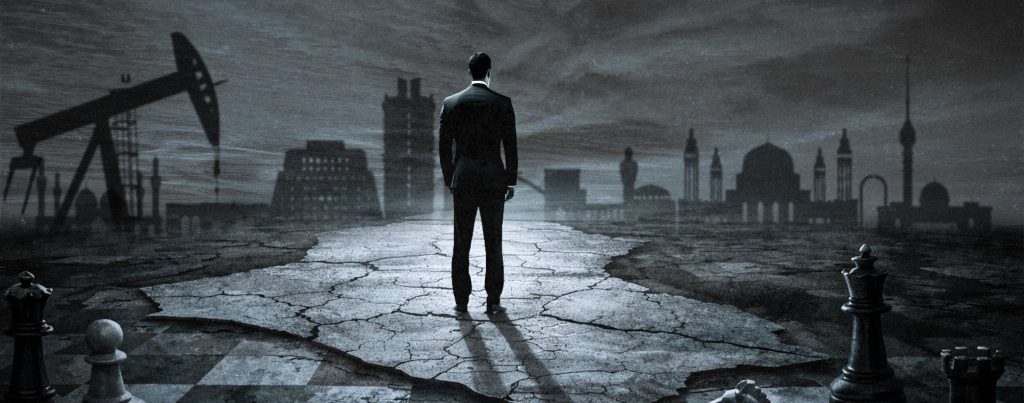
In early 2026, Iraq finds itself in a state of “organized confusion” as it attempts to finalize its government following the November 11, 2025 elections. The sudden withdrawal of Mohammed Shia al-Sudani and the push for Nuri al-Maliki’s return have transformed a domestic transition into a high-stakes standoff between Washington and Tehran.
Digital Energy Architecture: Why Grid Modernization Precedes Climate Action in the Global South
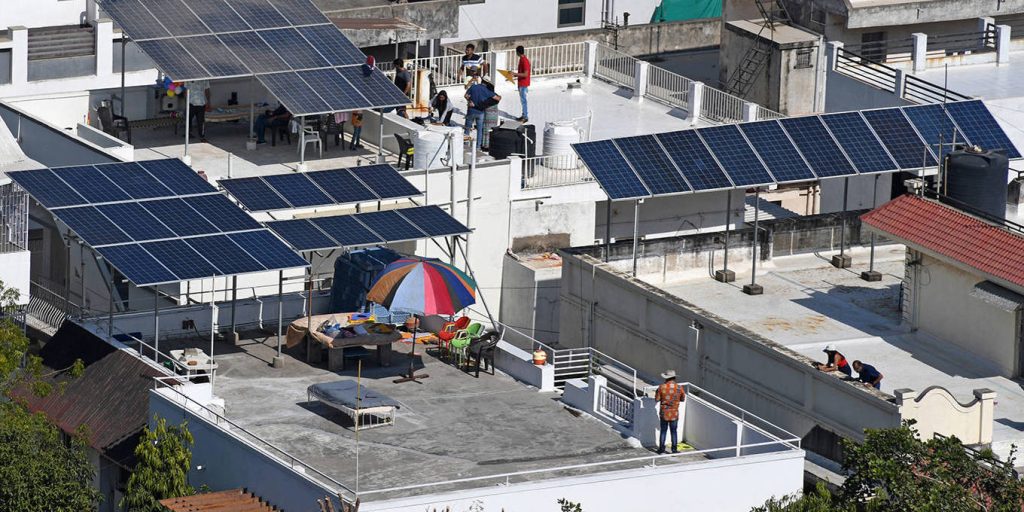
In early 2026, the Global South is pioneering a “Digital Public Infrastructure” (DPI) approach to energy that shifts the focus from building solar panels to building the “intelligence” required to manage them. As global electricity demand is projected to grow by 3.7% in 2026, primarily outside advanced economies, the traditional linear grid is being replaced by Digital Energy Architecture.