
When Alliance Distances Become Strategic Liabilities: Europe’s Iran Dilemma
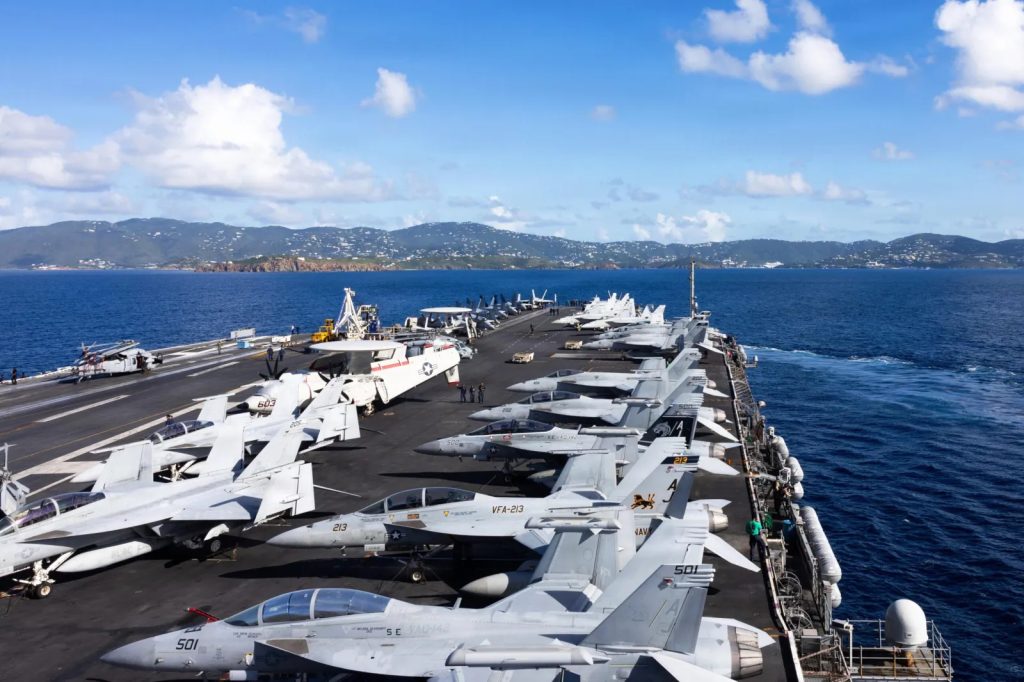
Europe is trying to perform an impossible balancing act: signal independence from Washington while relying entirely on American military power to deter threats that Europe cannot handle alone. The Iran crisis exposes this contradiction with unusual clarity. At the very moment when Western unity is strategically essential, Europe is drifting into rhetorical autonomy that it cannot operationalize.
The Psychology of Escalation in Foreign Intervention
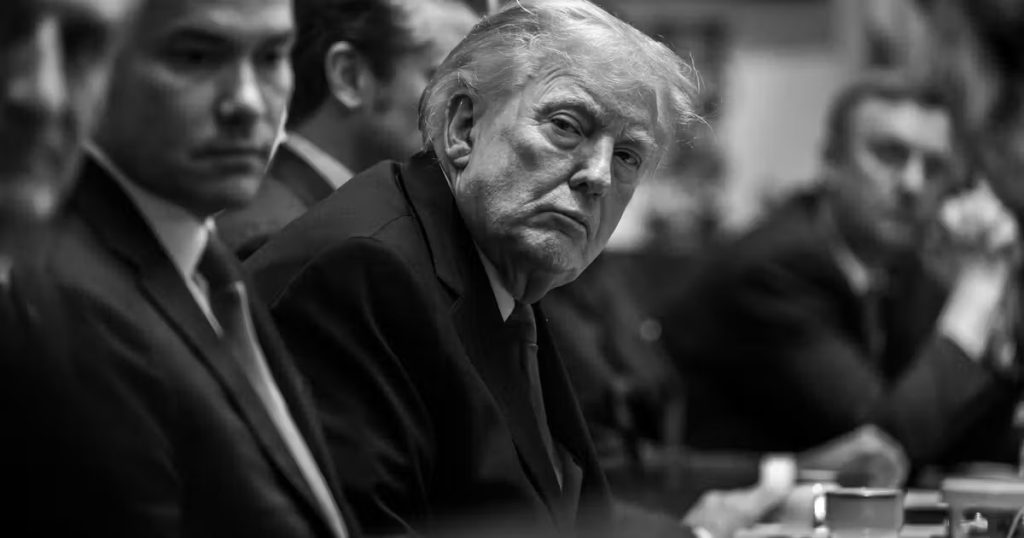
U.S. decision‑making on Iran is increasingly shaped not by structured interagency analysis but by a feedback loop of emotional validation. When a leader repeatedly asks a narrow circle of loyalists whether an action is a “winner,” the question itself becomes a self‑fulfilling prophecy. The result is a foreign policy environment where impulse, affirmation, and narrative gratification override strategic caution.
The Negotiation Asymmetry: Can Iran’s Concessions Match the Scope of American Demands
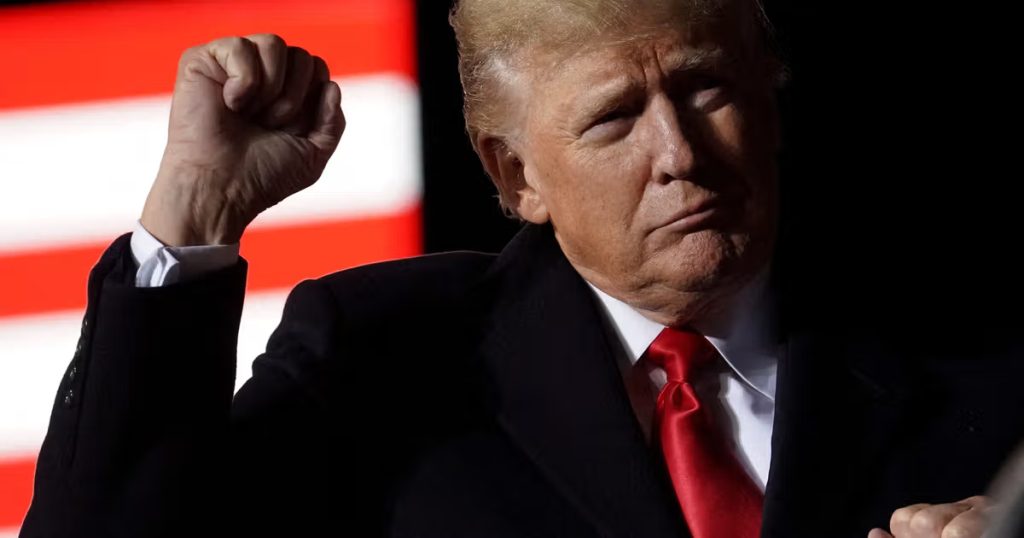
U.S.–Iran talks are unfolding under extreme imbalance. Washington negotiates with overwhelming military and economic leverage; Tehran negotiates under domestic strain, regional setbacks, and limited great‑power backing. But asymmetry does not guarantee capitulation. It creates a narrow, unstable space where both sides must decide whether compromise or confrontation better protects their core interests.
Tariff Barriers and the Reshaping of Global Trade Partnerships
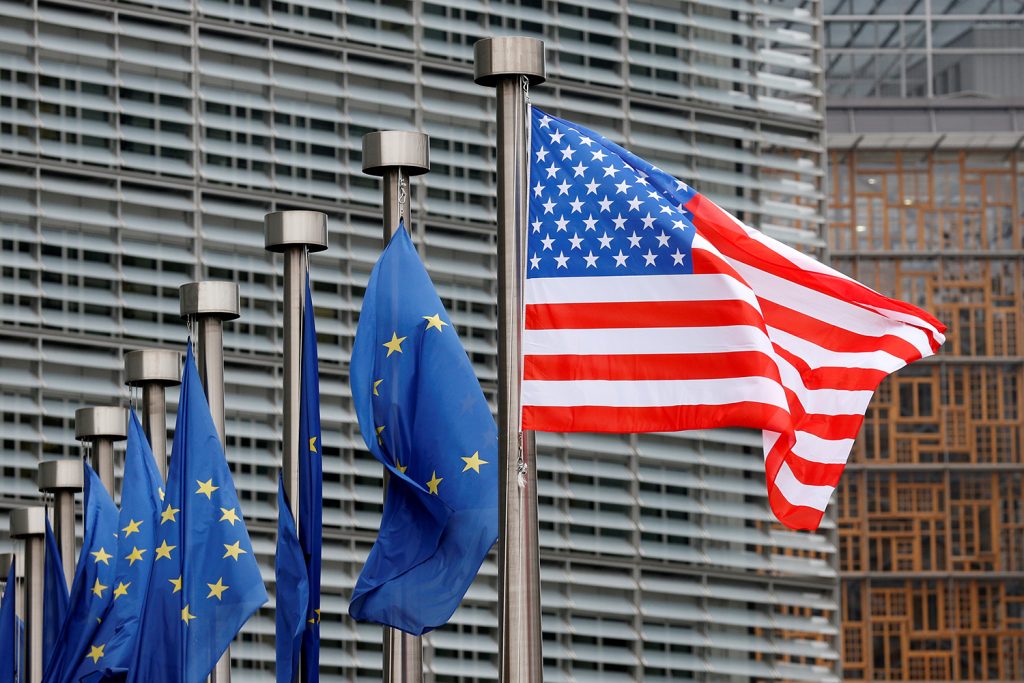
The liberal trade order that defined the post‑1945 world is no longer collapsing suddenly — it is dissolving structurally. The rise of protectionism, especially in the United States, is forcing every major economy to redesign its trade strategy in real time. What emerges is not a new system, but a fragmented landscape of overlapping blocs, bilateral deals, and improvised coalitions.
Iraq’s Political Gridlock: When Foreign Veto Power Collides With Domestic Legitimacy
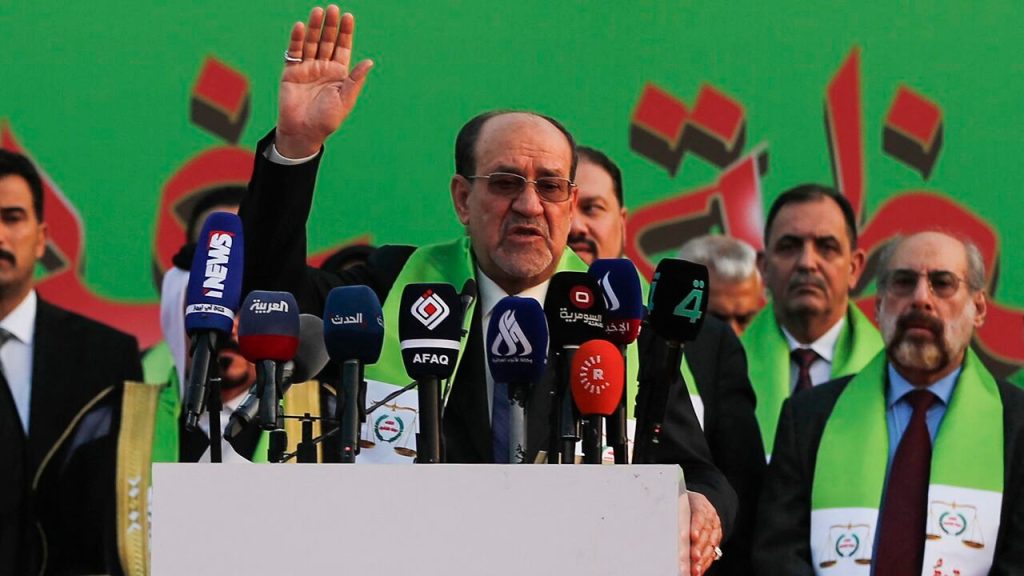
Iraq’s political paralysis is not simply the result of domestic factionalism. It is the predictable outcome of a system where external veto power routinely overrides internal legitimacy. The current standoff over Nouri al‑Maliki’s nomination exposes the structural contradiction at the heart of Iraqi governance: sovereignty exists on paper, but government formation depends on which foreign actor is willing to impose the highest cost.