
When Legal Order Depends on Sustained Resistance: Sovereignty and the Collapse of Restraint

International law has never been self‑enforcing. It works only when states collectively treat violations as intolerable. Once powerful actors discover that coercive territorial change carries minimal cost, the system shifts from rule‑based restraint to power‑based ordering. For states whose security depends on law rather than force, this shift is existential.
When Federal Leadership Falters: Subnational Climate Action Fills Global Policy Void

As federal climate leadership becomes inconsistent, subnational governments are stepping into the vacuum, building their own diplomatic networks, regulatory frameworks, and climate alliances. This is not a symbolic gesture — it is the construction of a parallel climate governance system that increasingly shapes global policy.
The Fracturing of Transatlantic Security Architecture and Europe’s Strategic Reckoning
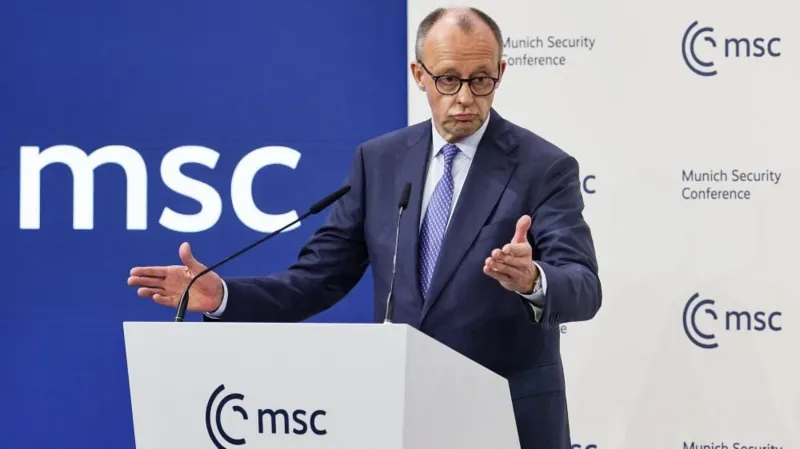
Europe is entering a moment it has avoided for 75 years: the need to think about its own defense, its own nuclear deterrent, and its own geopolitical identity without assuming the United States will always be there. The postwar order isn’t just fraying — it’s structurally decomposing.
The European Integration Paradox: Seeking Speed Without Structural Change
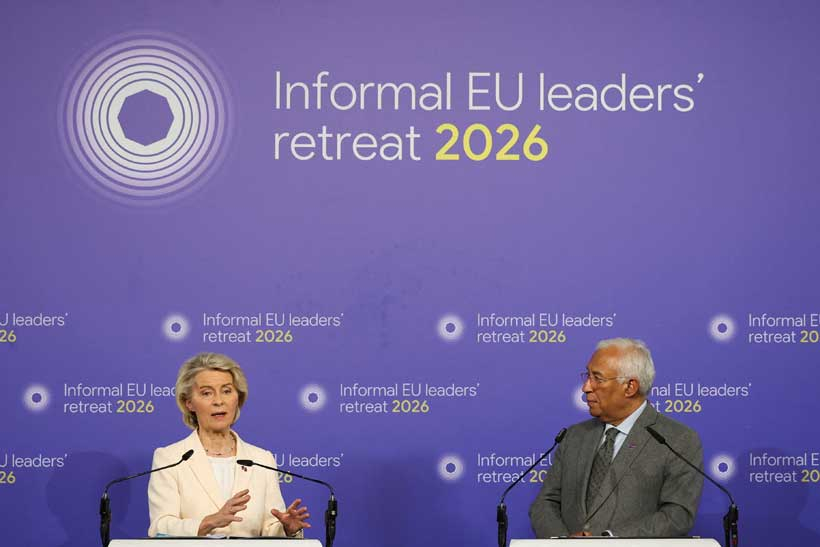
Europe is trying to compete in a world defined by U.S. and Chinese state capacity, but it is doing so with institutions designed for consensus, caution, and inclusivity. The result is a structural contradiction:
Rubio’s Munich Overture Exposes the Fractures in Transatlantic Relations
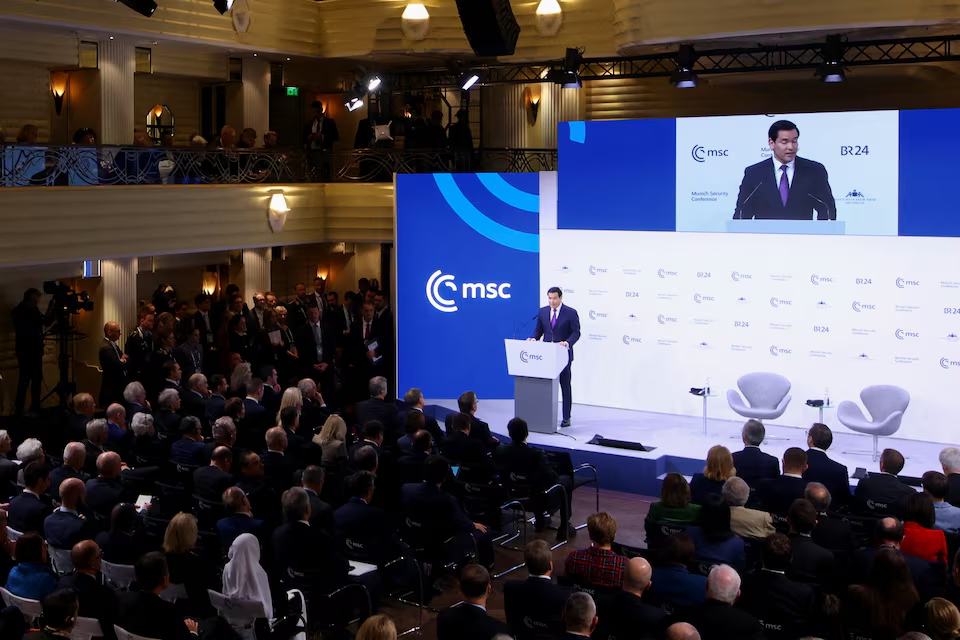
Rubio’s Munich speech was designed to sound like a reset in transatlantic relations, but its omissions and ideological framing revealed that the structural rift between Washington and Europe is widening, not closing.