
Why Tehran Chose Muscat: The Strategic Logic Behind Iran’s Mediation Preferences
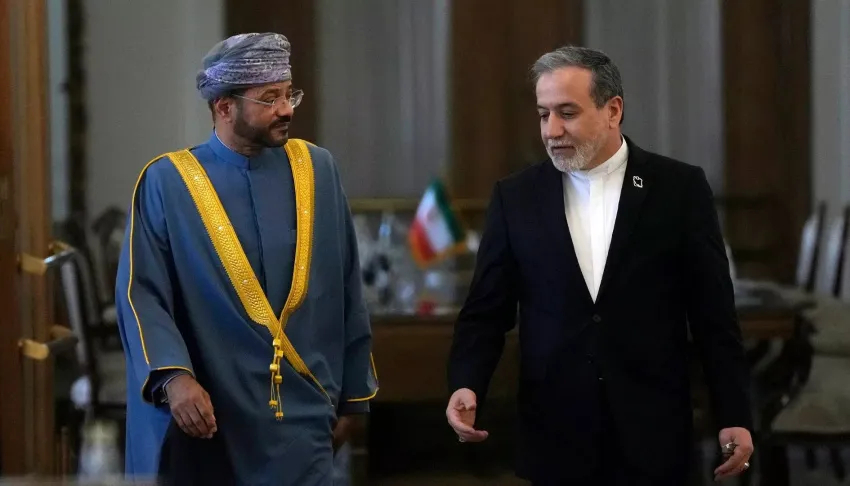
Iran favors Muscat because Oman offers neutrality, discretion, and insulation from agenda‑expanding pressures, allowing Tehran to control the scope of talks and avoid the political exposure it fears in venues like Istanbul.
US Drug Pricing Mandate Destabilizes Swiss Pharmaceutical Sector
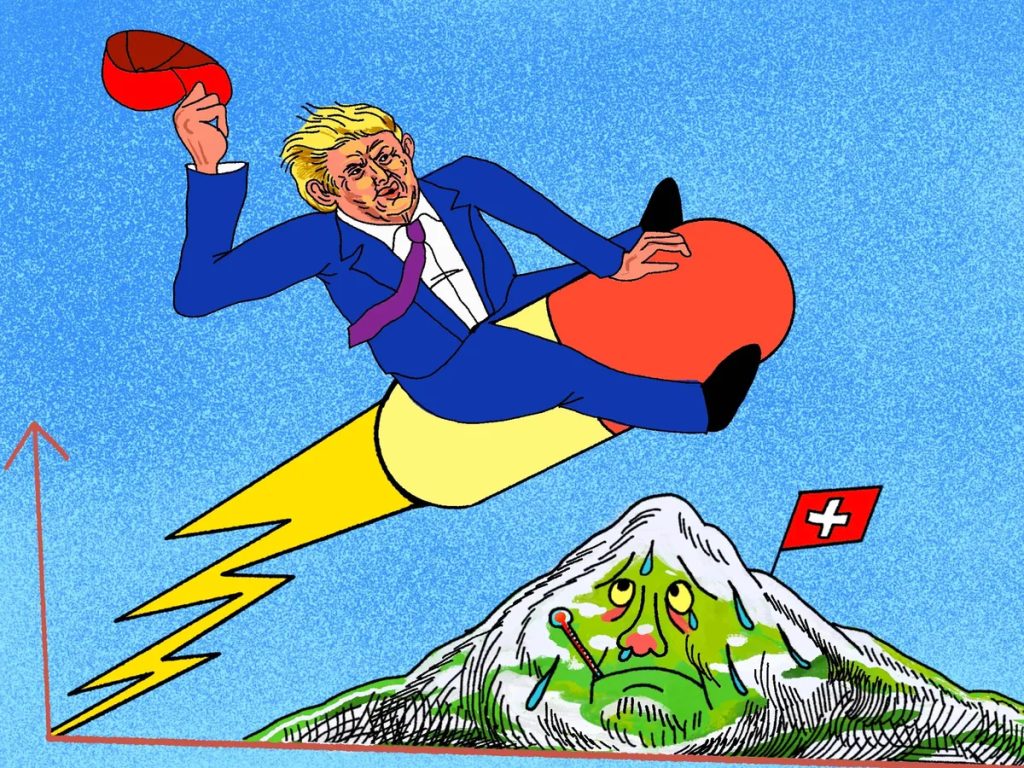
Washington’s pricing mandate is pushing drugmakers to raise European benchmarks and even pull treatments like Roche’s Lunsumio from Switzerland, destabilizing a pharma‑dependent economy and shrinking patient access as companies protect U.S. margins at the expense of smaller markets.
Trump’s Coercive Federalism Mirrors Foreign Intervention Tactics

Trump’s bid to nationalize elections and pressure Democratic-led states mirrors his foreign intervention tactics, using federal enforcement and delegitimization to treat domestic opponents as territories to be coerced rather than communities to be governed.
The End of New START and the Dawn of Unconstrained Nuclear Rivalry
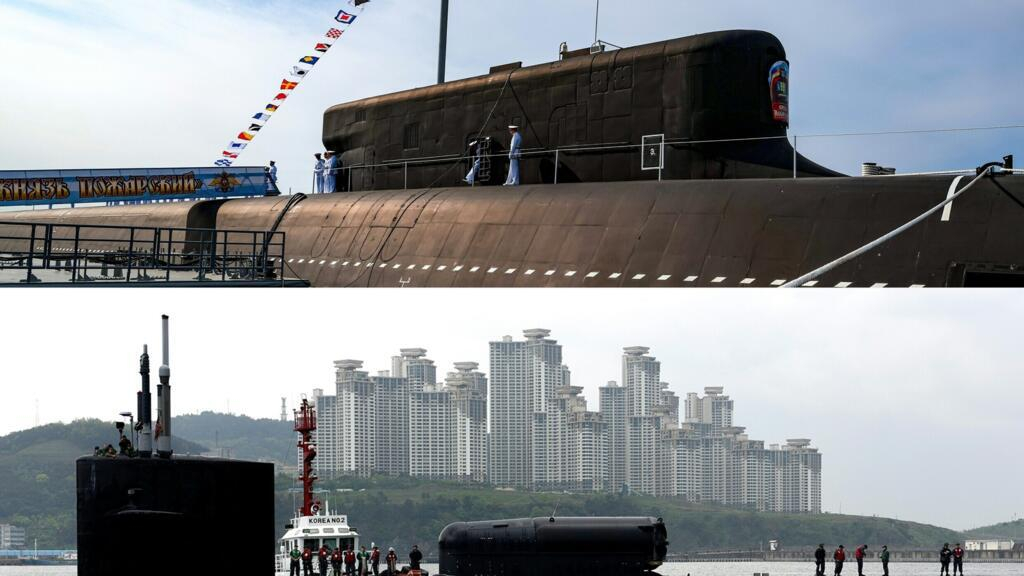
The end of New START has opened the door to unconstrained U.S.–Russia nuclear expansion just as China accelerates its own buildup, creating a volatile three‑way arms race with no verification, no guardrails, and rising risks of miscalculation.
Nuclear Stability Unravels as Arms Control Era Ends
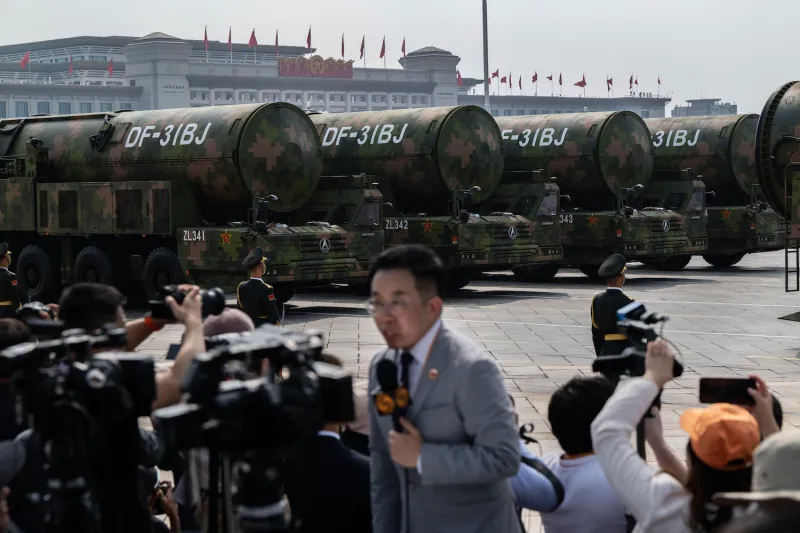
The collapse of New START and China’s rapid nuclear buildup have ended decades of structured restraint, creating an unstable three‑way arms race with no treaties, no verification, and rising risks of miscalculation in a multipolar nuclear world.
How Missile Defense Shields Are Fueling Global Escalation
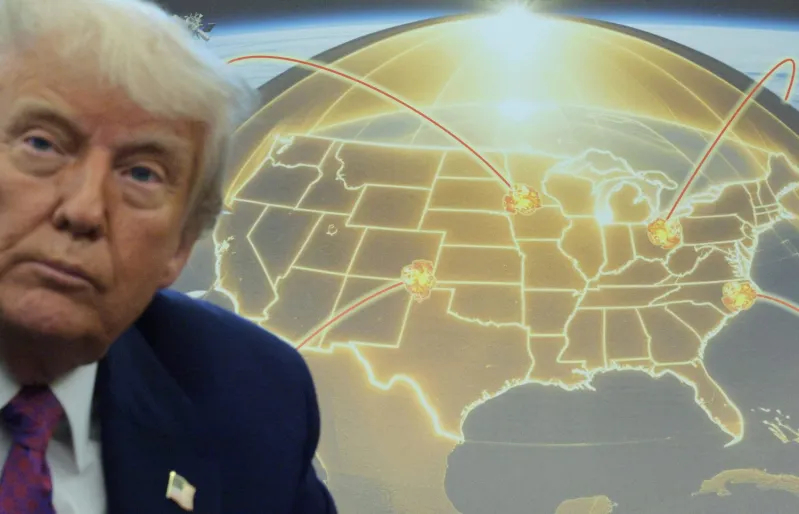
Missile defense systems meant to deter attacks are instead encouraging riskier offensives, driving arms races and destabilizing global security as nations pursue shields like THAAD and the Golden Dome under the illusion of strategic safety.