
Gulf Allies’ Hidden Fears: Why Iran’s Fall Threatens More Than Its Regime
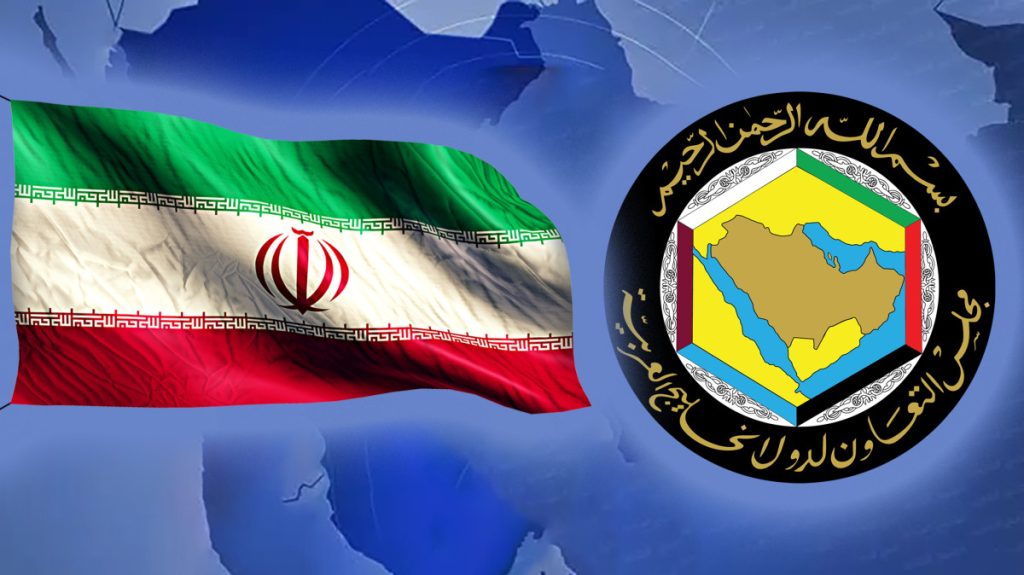
Gulf states quietly fear that Iran’s collapse would expose their own ideological projects, proxy ties, and strategic contradictions, stripping away the cover Tehran provides and forcing unprecedented scrutiny of Qatar’s networks, Turkey’s ambitions, and Saudi Arabia’s dilemmas.
Four Years of War in Ukraine Expose the Cost of Western Hesitation
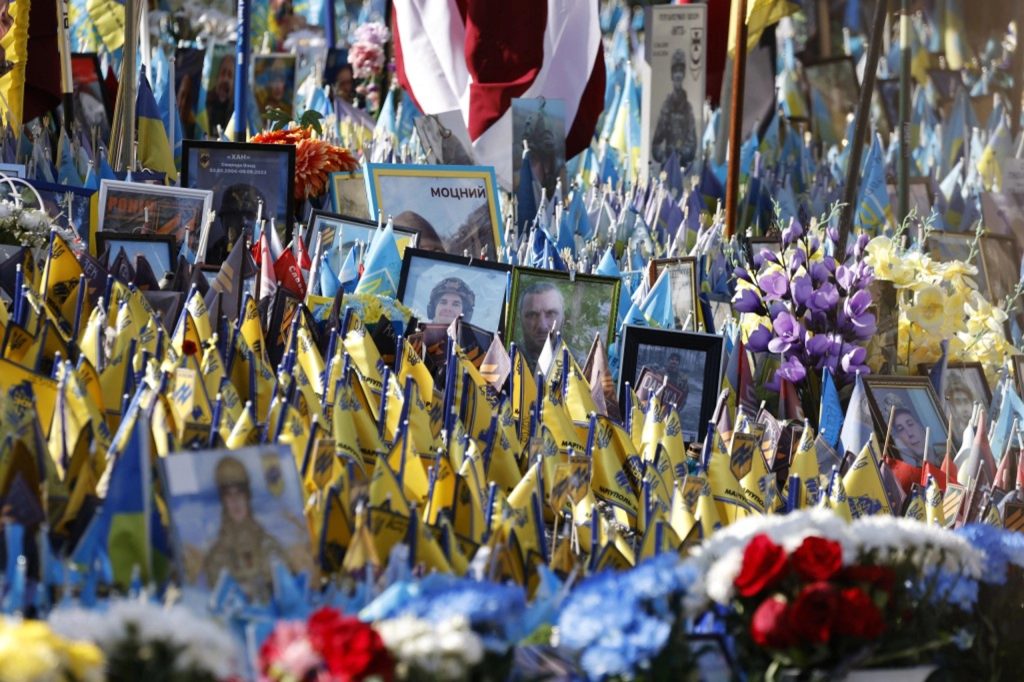
Western hesitation has prolonged a brutal stalemate in Ukraine, where massive casualties, slow aid, and delayed weapons have strengthened Russia’s attritional strategy while forcing Kyiv to innovate militarily and Europe to rearm unevenly, leaving the war’s outcome tied to political will rather than battlefield shifts.
Carney’s Davos Address and the Fracturing Western Consensus
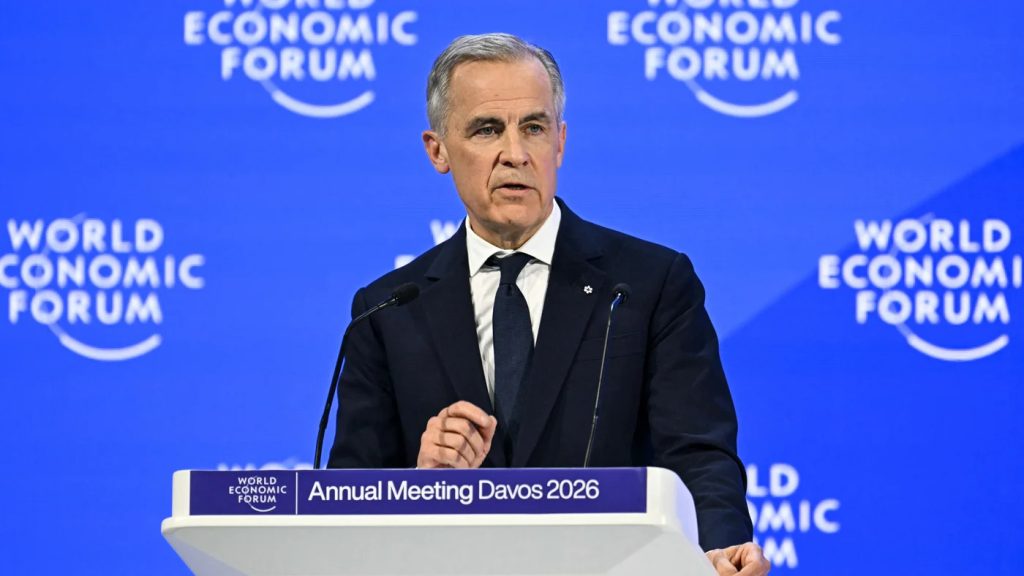
Carney’s Davos speech exposed the collapse of the Western-led order, urging middle powers to diversify beyond Washington as global power shifts toward a polycentric system that Europe seems unwilling to confront.
Ankara’s Iran Mediation Serves a Broader Ottoman-Era Ambition
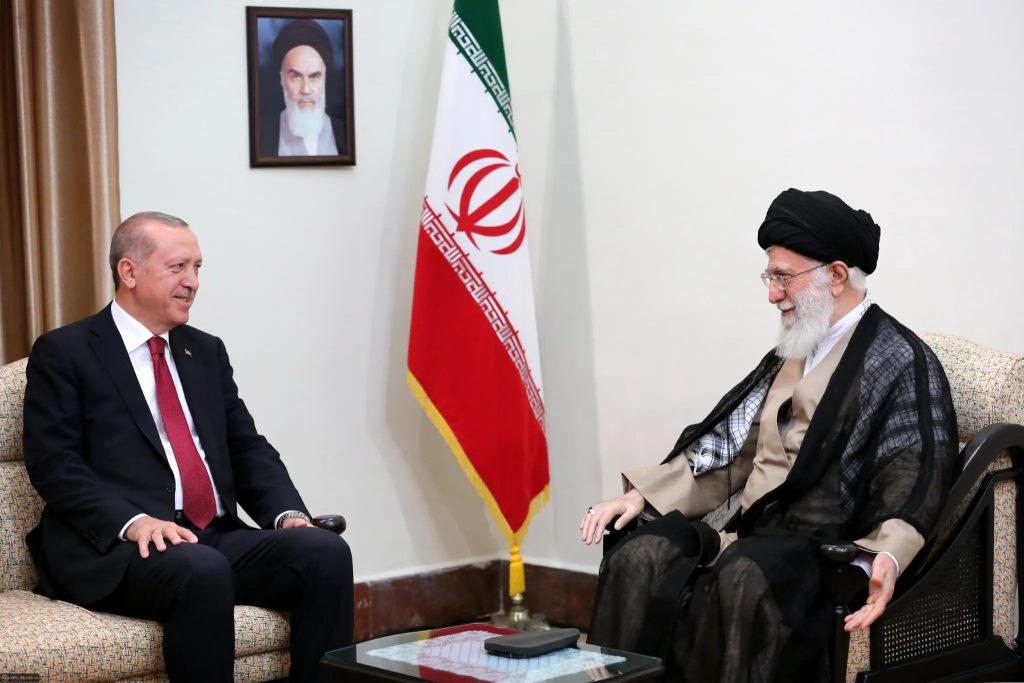
Turkey’s mediation between the US and Iran reflects a long-term strategy to expand its regional influence, manage security risks, and assert a neo-Ottoman leadership role, even as credibility gaps and geopolitical rivalries limit how far Ankara’s ambitions can translate into real diplomatic authority.