
Scenarios for a US Military Strike on Iran
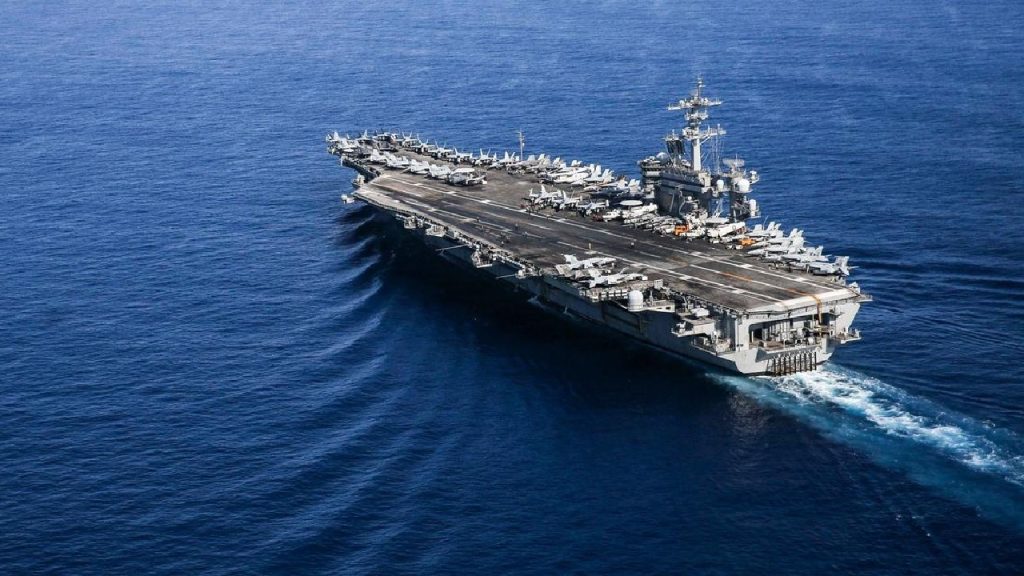
The recent surge in U.S. force posture—centered on the arrival of the USS Abraham Lincoln carrier strike group on January 26, 2026—has brought the “maximum pressure” campaign to a critical kinetic threshold. This buildup is the largest since Operation Midnight Hammer in June 2025, when B-2 stealth bombers struck Iranian nuclear sites at Fordow, Natanz, and Isfahan.
Nuclear Arms Control Faces a Pivotal Reckoning in 2026
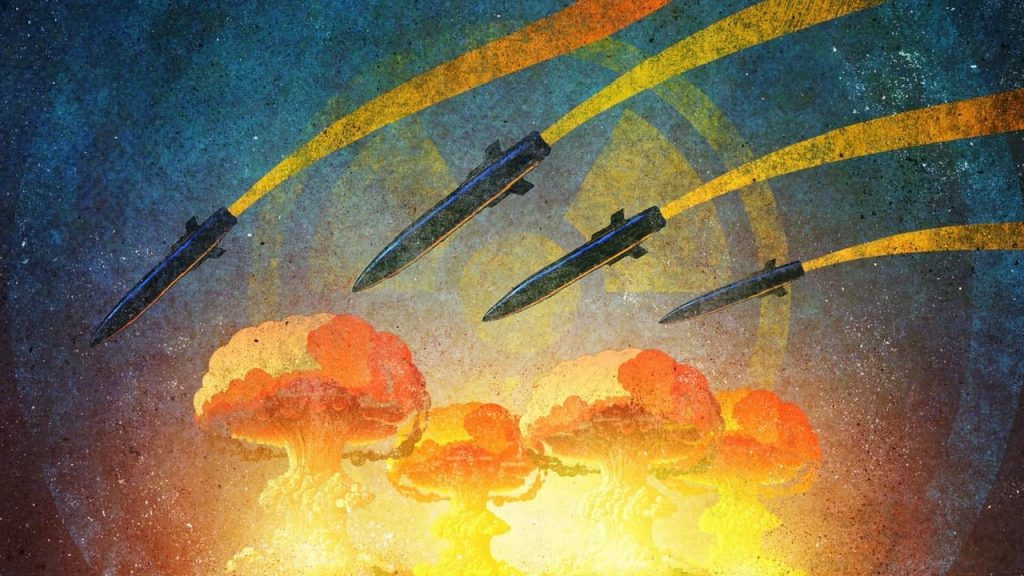
The New START treaty’s February 2026 expiration ended the era of bilateral arms control. With China’s arsenal exceeding 600 warheads and Iran’s enrichment nearing weapons-grade, the April NPT Review Conference faces a terminal crisis. Global stability now hinges on managing hypersonic technology and AI-integrated command systems amidst total verification collapse.
Eastern Mediterranean Defense Bloc Reshapes Regional Security
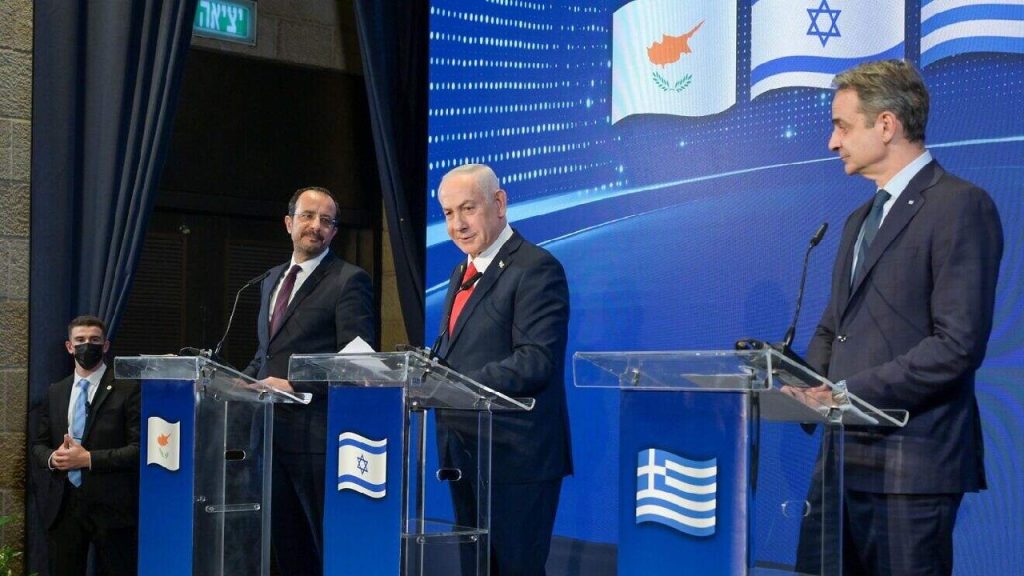
This report analyzes the rapid consolidation of the Israel-Greece-Cyprus trilateral partnership into a robust Eastern Mediterranean defense bloc as of early 2026. What was once an energy-focused cooperative has shifted into a “structural strategic alignment,” characterized by massive arms deals and institutionalized military coordination.
Allied Missile Defense Could Reshape East Asia’s SLBM Threat
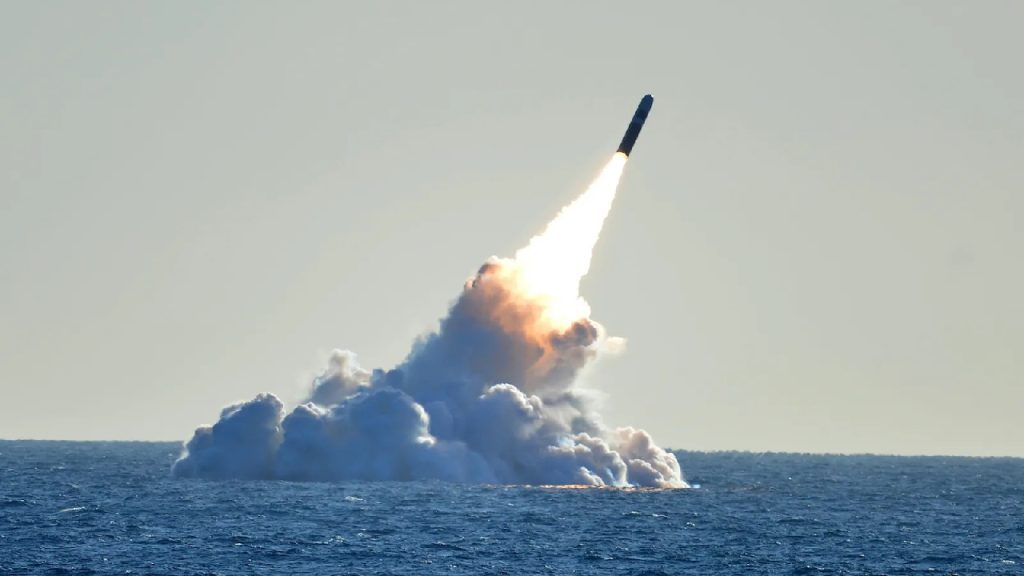
This analysis examines how a trilateral, sea-based missile defense architecture between the U.S., Japan, and South Korea could neutralize the evolving North Korean Submarine-Launched Ballistic Missile (SLBM) threat. By moving away from the “sole defender” model depicted in the 2025 thriller A House of Dynamite, the alliance can leverage forward-deployed Aegis assets to create a layered, multi-azimuth defense that buys critical decision-making time.