
Technology Partnerships and Diplomatic Intermediaries: A Framework for Peace Implementation
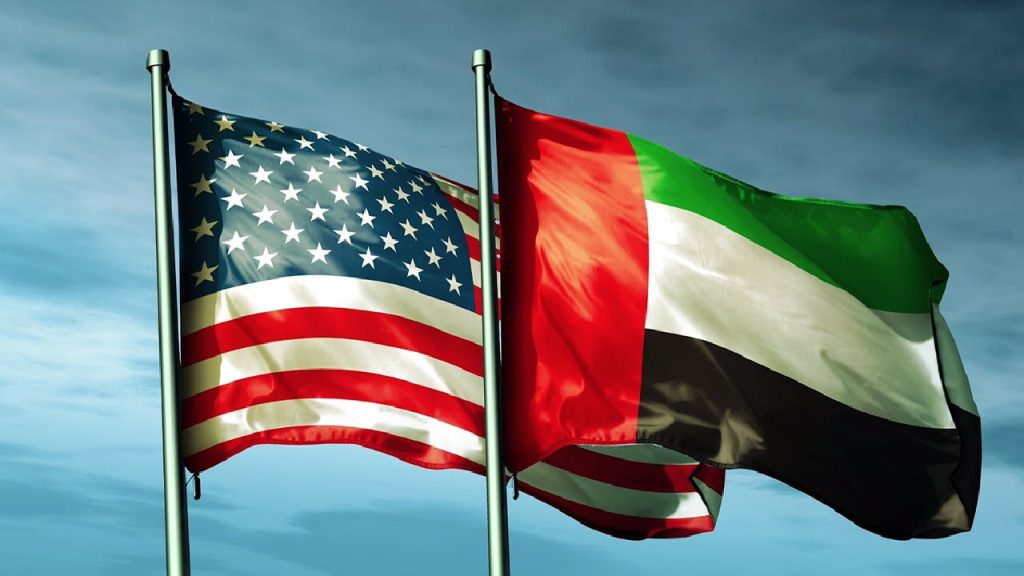
This analysis examines how the U.S.-UAE strategic partnership leverages a $1.4 trillion investment framework to replace traditional military dominance with AI-backed “Data-Driven Diplomacy.” By combining Microsoft’s $15.2 billion AI commitment with the UAE’s unique credibility in Moscow and Washington, this model offers a pragmatic, verifiable architecture for resolving complex global conflicts.
Why Economic Pressure Against Iran Continues Despite Policy Failures
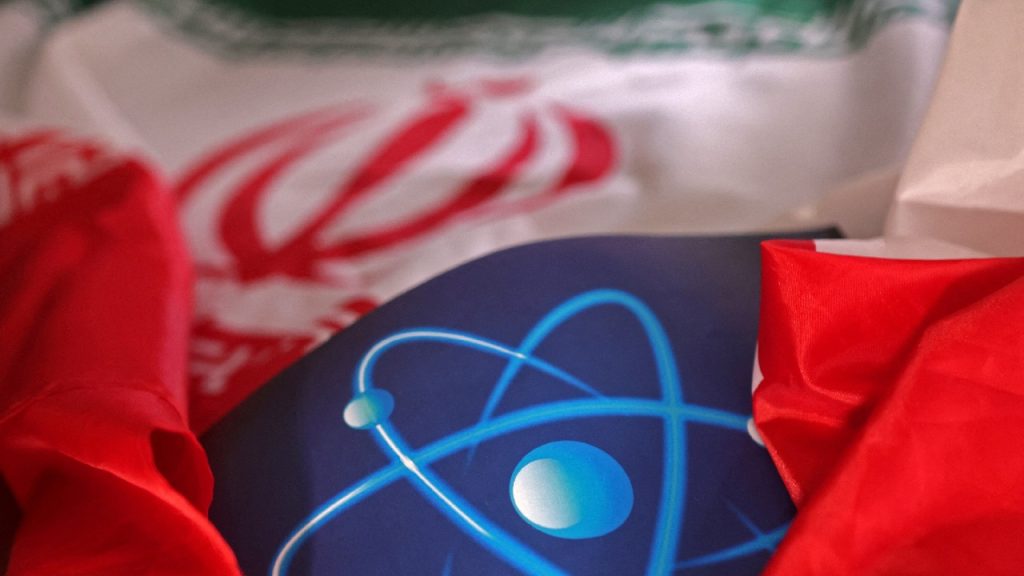
This analysis explores why Iran sanctions persist despite failing to curb nuclear or missile programs. It argues that the focus has shifted from behavioral change to deliberate economic destabilization. By fostering “ghost fleets” for oil exports and causing severe civilian humanitarian crises, these measures may serve regime-change agendas rather than stated diplomatic goals.
Syria’s Islamist Leadership Threatens Counter-Terrorism Goals and Regional Stability
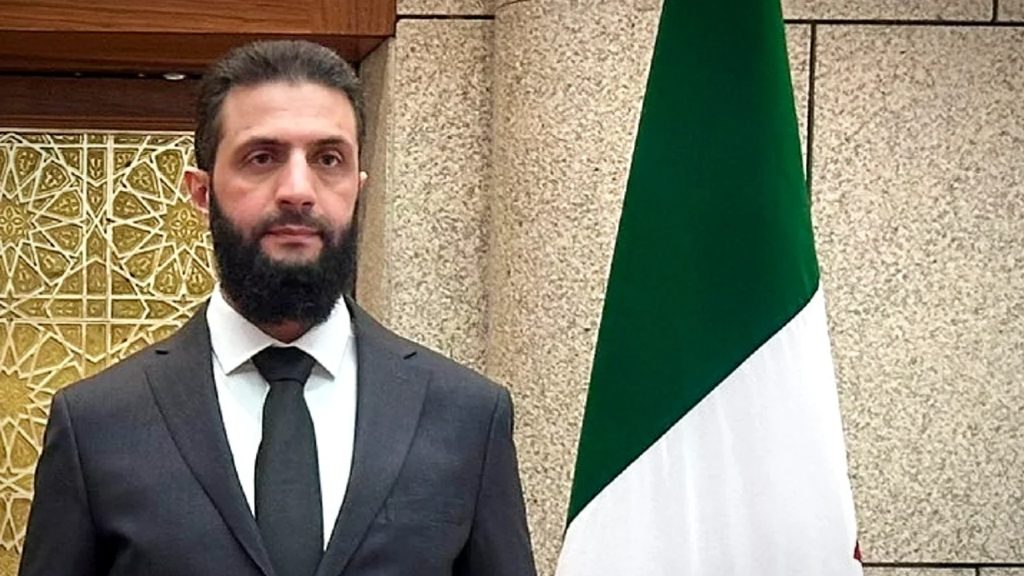
The elevation of Ahmed al-Sharaa (formerly known by the nom de guerre Abu Mohammad al-Julani) to the presidency of Syria has fundamentally reshaped the geopolitical landscape. The transition from the Assad regime to the current transitional government has indeed forced a rapid recalibration of U.S. and international policy, balancing the removal of a long-standing adversary against the risks posed by a leader with former Al-Qaeda ties.
Post-Conflict Governance Arrangements and Militant Control Mechanisms in Occupied Territories
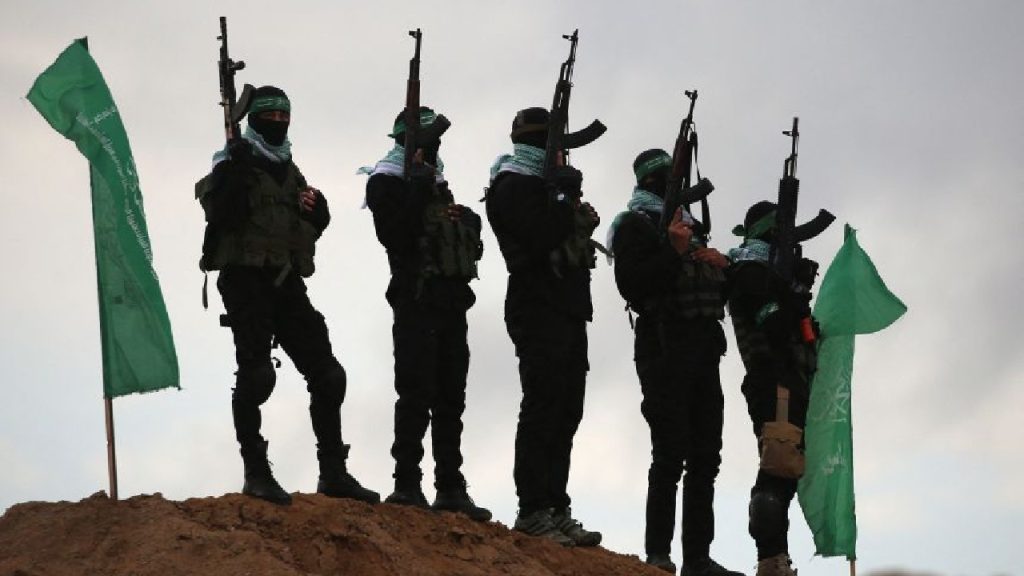
This analysis examines the intricate mechanisms of the Gaza peace plan (formalized as UN Security Council Resolution 2803 in November 2025) and how militant organizations leverage “shadow” governance to bypass formal disarmament.