
Strategic Realignment and the Gradual Erosion of Economic Influence

This analysis details how global actors are countering unpredictable U.S. trade policies through “accelerated pursuit of alternative partnerships” and financial diversification. It highlights the shift toward conventional multilateral agreements (like the EU-India and Canada-China deals) and the steady decline of the dollar’s share in global reserves—falling from 72% in 2000 to 56.9% by 2025—as nations hedge against geopolitical risk.
Regional Actors Navigate Post-Conflict Institutional Frameworks While Managing Domestic Advocacy Pressures
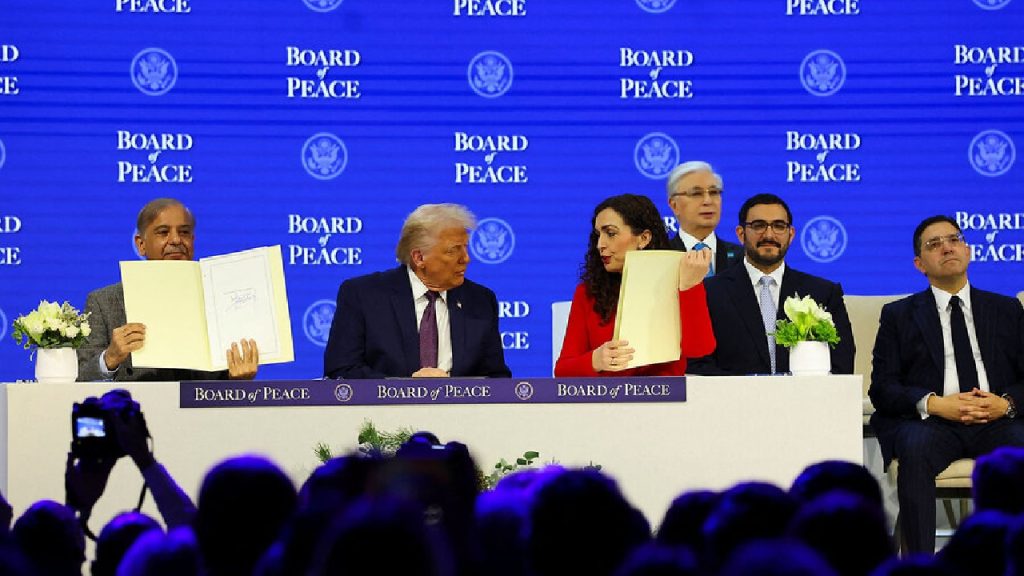
This analysis explores how eight major Muslim-majority states are navigating the “Board of Peace,” a post-conflict governance framework for Gaza established in late 2025. It details the strategic shift from external advocacy to “insider” participation, allowing these nations to influence reconstruction contracts, security coordination, and humanitarian oversight while using rhetorical framing to reconcile this involvement with traditional domestic support for Palestinian statehood.
Economic Pragmatism Trumps Ideology in Latin America’s China Dilemma
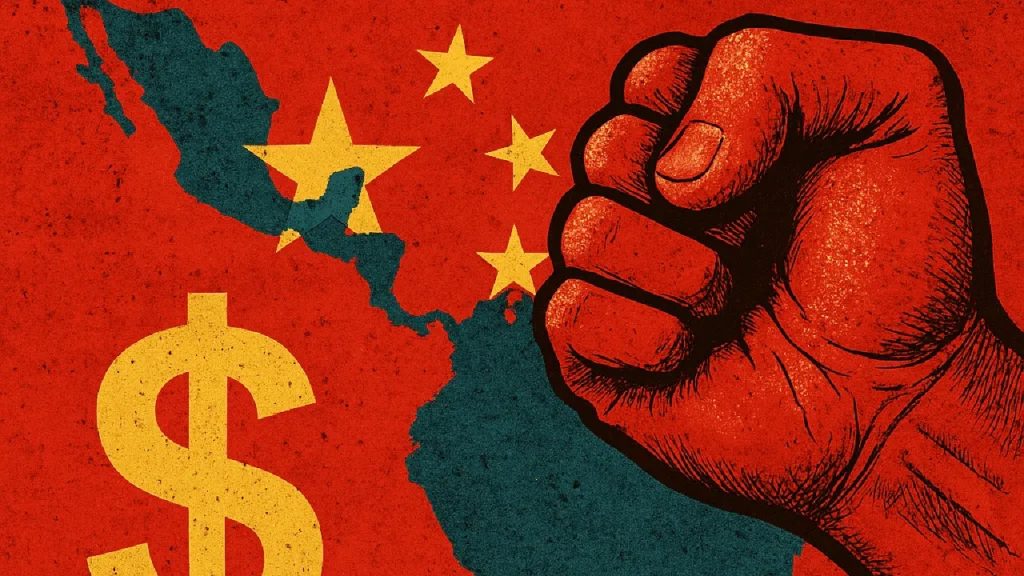
This article examines how Latin America’s deep-seated integration into Chinese trade networks—exceeding $515 billion in 2024—overrides the region’s recent rightward political shifts. Using case studies from Argentina’s soy exports to Brazil’s response to U.S. tariffs, it argues that economic pragmatism and the “commercial logic of resource extraction” remain more influential than ideological alignment with Washington.
Converging Internal and External Pressures: Iran’s Strategic Vulnerability in a Changed Regional Order

This analysis examines Iran’s precarious position as it faces the convergence of historic domestic unrest and intensified external military pressure. With the collapse of its “social contract,” a devalued currency, and the erosion of its regional proxy networks, the regime is trapped in an escalatory cycle where traditional diplomatic off-ramps have vanished, leaving only pathways toward confrontation, capitulation, or institutional collapse.