
When Boardrooms Replace Diplomacy: Private Governance and the Collapse of International Law

In January 2026, the traditional multilateral system founded in 1945 has faced its most direct challenge yet: the formalization of “Boardroom Diplomacy.” Under the newly established Board of Peace (BoP), conflict resolution is shifting from the halls of the United Nations to a private-equity-style governance model that prioritizes commercial viability, “pay-to-play” membership, and technocratic management.
The Changing Dynamics of Middle Eastern Alliances: A Battle Between Abrahamic and Islamic Coalitions

In early 2026, the Middle East has moved beyond the simple “Sunni vs. Shia” binary. Instead, the region is now fractured into two competing ideological and strategic blocs: the Abrahamic Coalition—focused on secular-leaning economic integration and high-tech defense—and the Islamic Coalition, which prioritizes sovereign statehood, Islamic solidarity, and a more cautious distance from Israel.
Resource Extraction and the Logic of Imperial Intervention: Latin America’s Century-Long Cycle
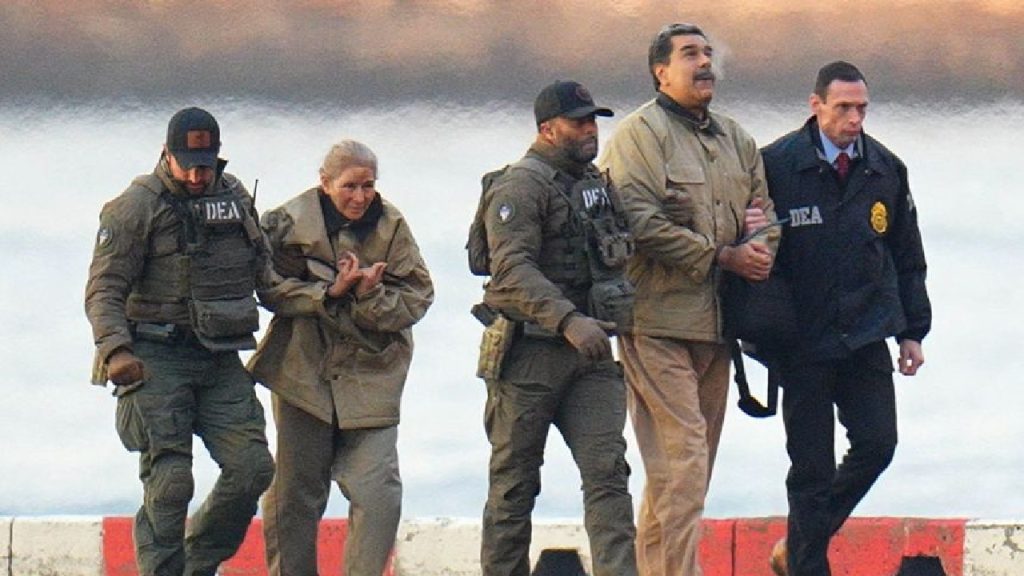
In January 2026, the century-long cycle of resource-driven intervention in Latin America reached a dramatic new inflection point. On January 3, 2026, the United States launched Operation Absolute Resolve, a high-intensity military raid in Caracas that resulted in the capture of President Nicolás Maduro.
Institutional Alignment and Journalistic Consistency: How News Organizations Reflect State Interests

In early 2026, the global media landscape is undergoing a “structural reckoning.” The gap between a news organization’s professional rhetoric and its geopolitical alignment has become more visible than ever, as the 2024–2025 conflicts in the Middle East and Ukraine continue to stretch traditional editorial frameworks to their breaking point.