
Why Central Asia Prioritizes Iranian Ports Over Pakistan
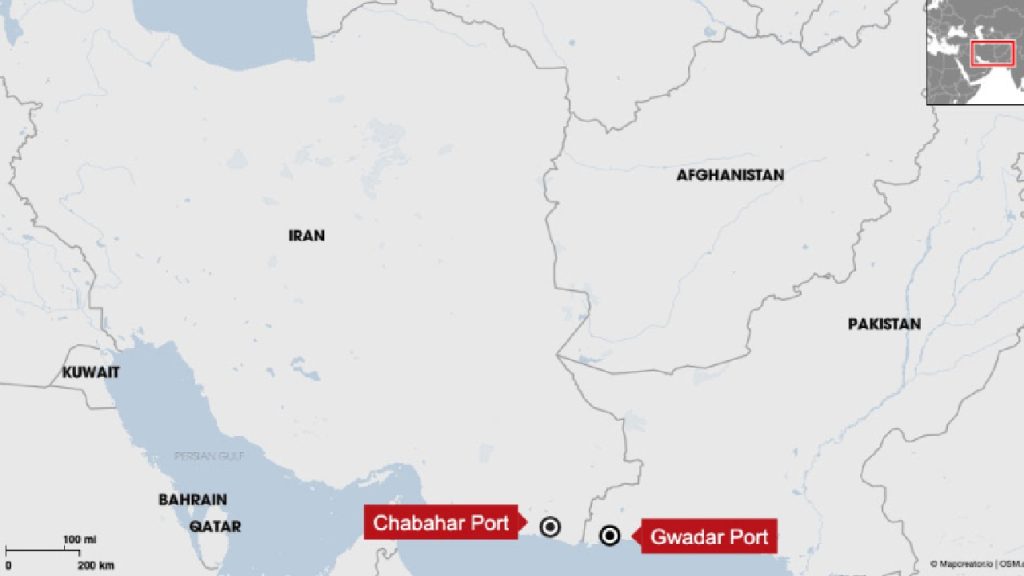
In January 2026, the trade map of Eurasia reflects a stark reality: despite being hundreds of kilometers closer to the Central Asian Republics (CARs), Pakistan’s ports are frequently bypassed for Iranian alternatives. While geography favors Pakistan, operational reliability and security stability have solidified Iran’s position as the preferred gateway.
Ukraine War Exposed the Failure of Western Deterrence Assumptions
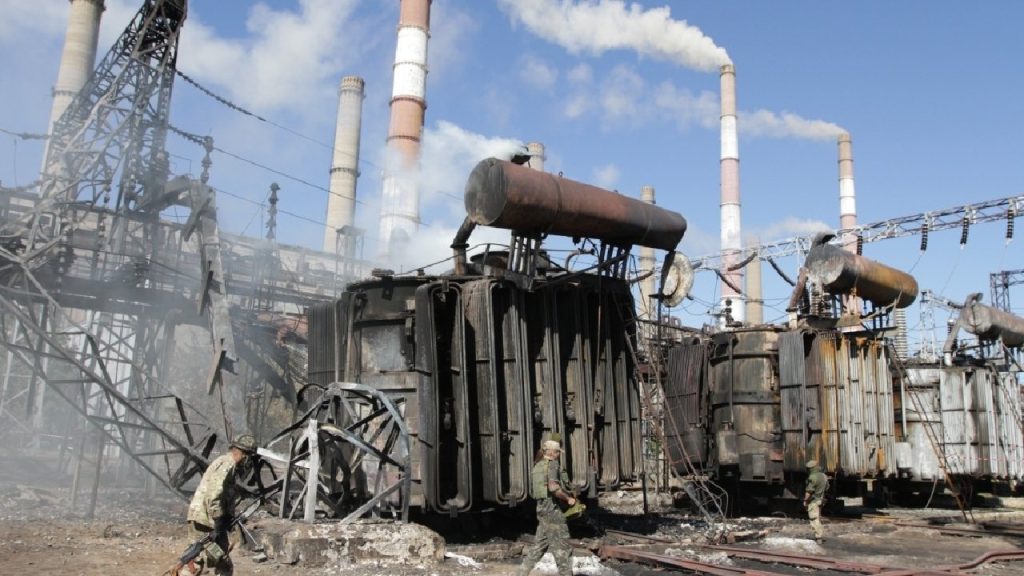
In January 2026, the strategic fallout from the Ukraine war has fundamentally dismantled the “post-Cold War” playbook. Western leaders now operate under a new, grimmer set of assumptions: that war is a contest of industrial stamina, not just initial tech; that economic ties can be weapons of coercion; and that “red lines” mean nothing without the munitions to back them up.
Iran’s Battle for Survival is the Arab World’s Fight Too
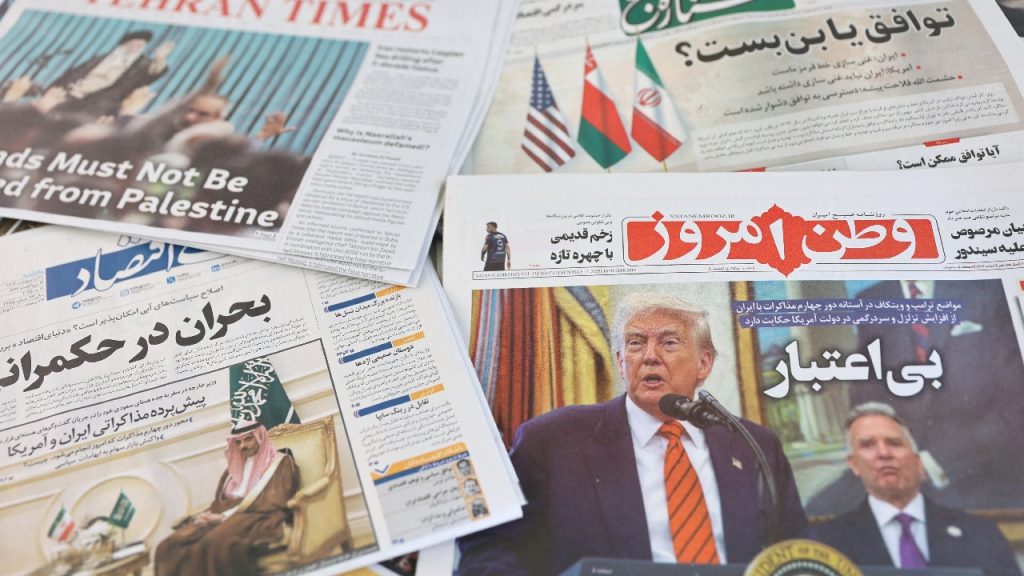
In early 2026, the Middle East has entered what analysts describe as a state of “Exhausted Realignment.” Following the kinetic “12-Day War” between Israel and Iran in June 2025 and the fall of the Assad regime in Syria in December 2024, the region is now caught between a “Maximum Pressure 2.0” campaign from Washington and a desperate diplomatic “hedging” strategy by the Gulf states.
China’s Strategic Restraint Amid Trump’s Global Disruptions
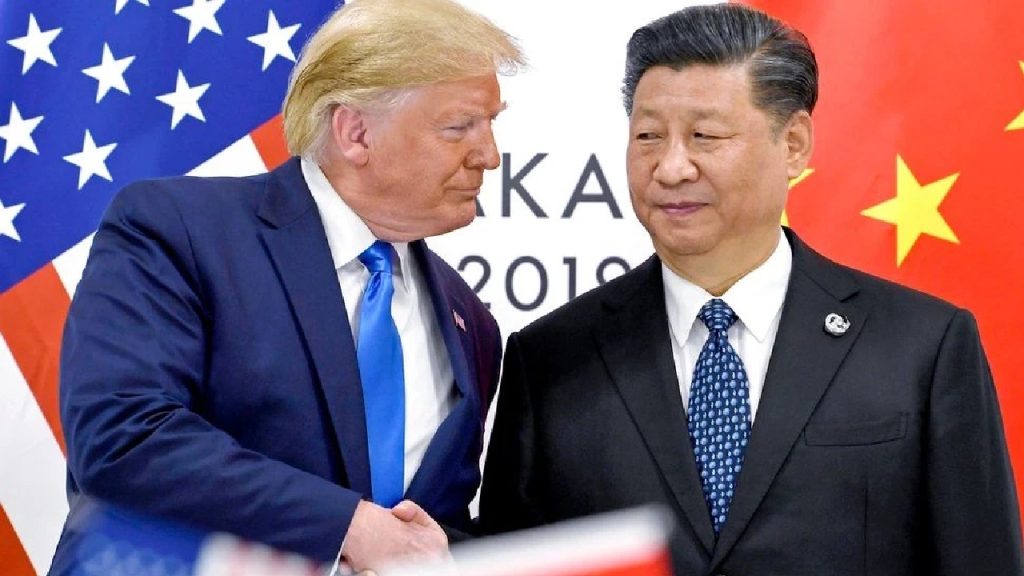
In January 2026, Beijing is navigating the chaos of the second Trump administration with a policy of “selective silence.” While the U.S. pursues high-visibility interventions in Venezuela, Greenland, and Iran, China has largely declined to engage in tit-for-tat escalation.