
Venezuela’s Maduro: How Regional Isolation Preceded His Downfall
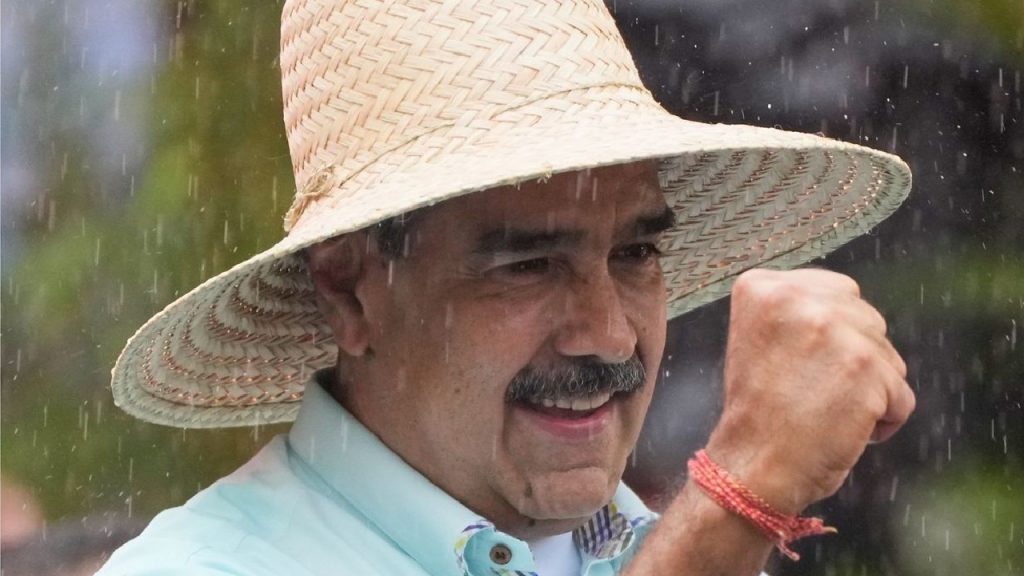
In January 2026, the capture of Nicolás Maduro by U.S. forces stands as the ultimate consequence of a leader who gambled on regional aggression and lost. While Operation Absolute Resolve was the kinetic end, Maduro’s downfall was structurally prepared by his systematic alienation of every neighbor that once formed his “Bolivarian” shield.
Trump Administration Escalates Greenland Campaign as Denmark Pushes Back
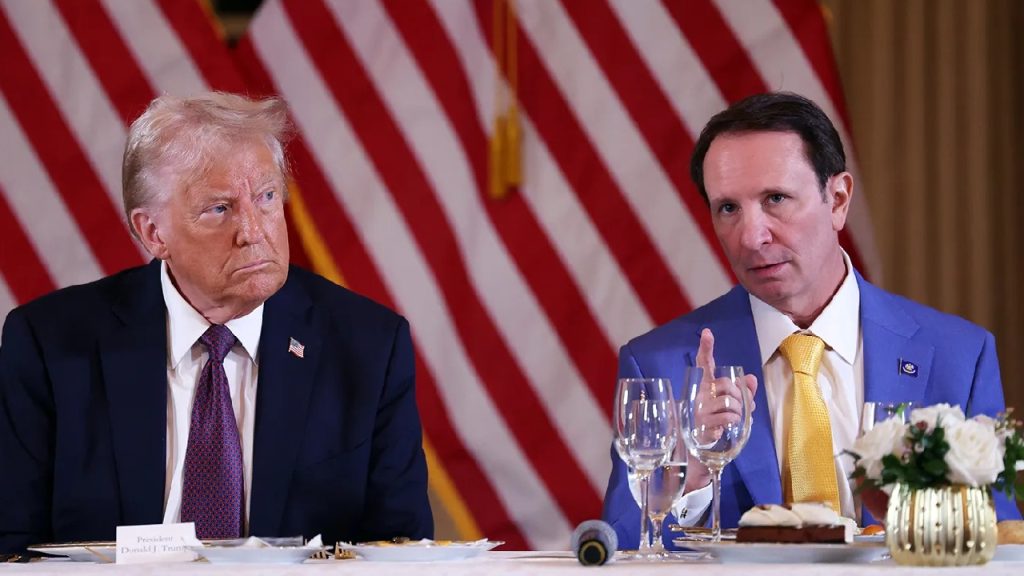
In January 2026, the diplomatic rift between the United States and the Kingdom of Denmark has escalated into a full-blown security crisis. The catalyst for this friction was the January 3rd capture of Nicolás Maduro in Venezuela (Operation Absolute Resolve), which emboldened the Trump administration to pivot its “transactional realism” toward the Arctic.
Trump’s Venezuela Operation Reveals a Pragmatic Foreign Policy Approach
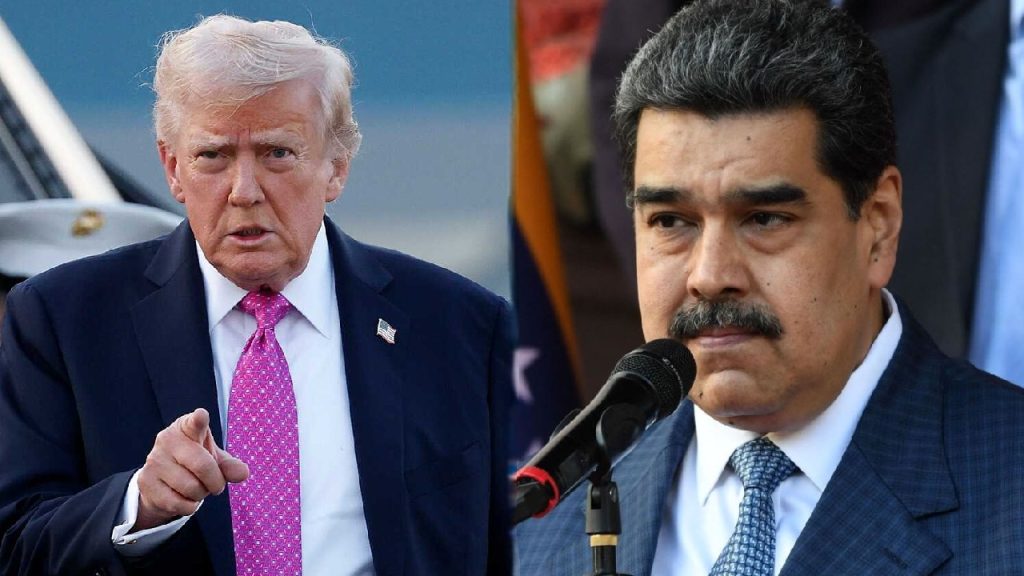
In January 2026, the capture of Nicolás Maduro has fundamentally redefined the “Trump Doctrine,” shifting it from a policy of rhetorical isolationism to one of targeted, high-impact intervention. While the operation—codenamed Operation Absolute Resolve—was tactically swift, its geopolitical implications are expansive. It signals a move away from the “forever wars” of the past two decades toward a “transactional realism” that uses overwhelming force for specific, finite objectives.
Regional Cooperation Emerges as Multilateralism’s Lifeline

By early 2026, the global order has moved from a “unipolar” or “multilateral” system toward a fragmented regionalism. With the United States actively dismantling its participation in international organizations, regional blocs have transformed from secondary partners into the primary guarantors of trade, security, and technological standards.
European Defense Maturation Confronts Washington’s Strategic Ambivalence

In January 2026, the transatlantic relationship has reached a paradoxical milestone: Europe has finally met Washington’s long-standing demands for increased defense spending, yet the resulting “Strategic Awakening” has triggered deep friction over influence, industrial preference, and the very definition of Western civilization.
What 2026 Holds for International Security and Economics
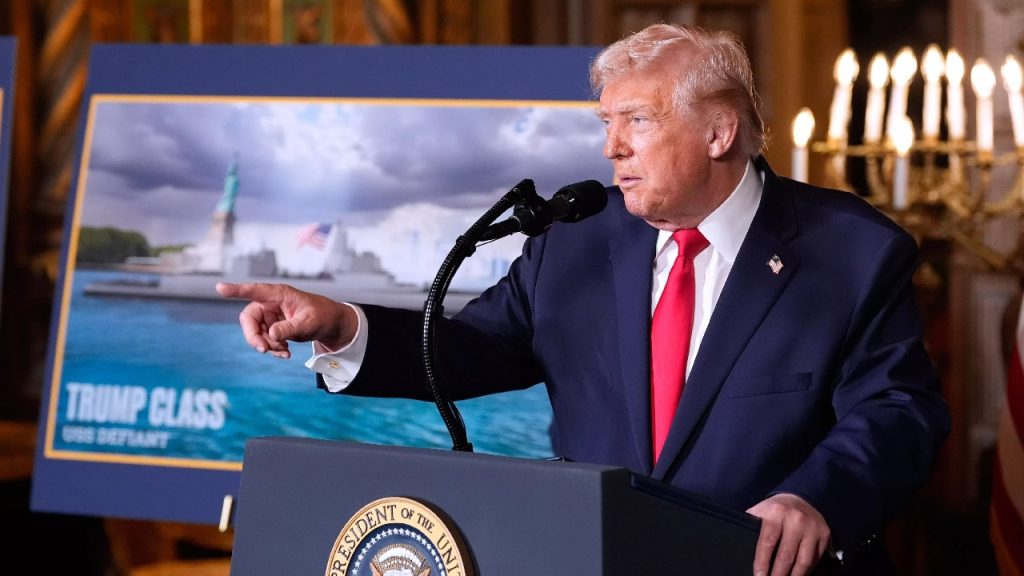
As we enter the first week of January 2026, the global landscape is defined by the fallout from the U.S. military operation in Venezuela and a critical “election-year” posture from Washington. The year ahead suggests a shift from the post-war multilateral order toward a more transactional, high-stakes era of “sovereignty-first” politics.
Ukraine’s Defense Innovations Present Critical Lessons for Taiwan’s Security Strategy
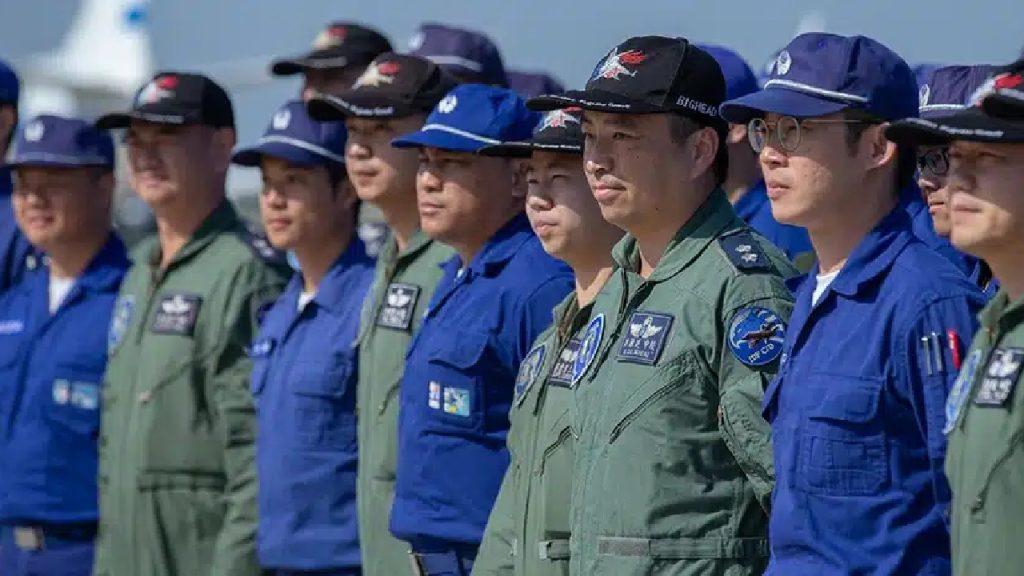
In January 2026, the security of Taiwan is being redefined by “battlefield truths” exported from Ukraine. As Taipei faces intensifying pressure from Beijing—most recently via the “Justice Mission 2025” drills—it has fundamentally pivoted its defense strategy toward asymmetric “porcupine” warfare, prioritizing millions of low-cost drones over traditional “big toy” platforms like submarines and fighter jets.
Trump Administration Lacks Coherent Democratic Transition Strategy for Venezuela
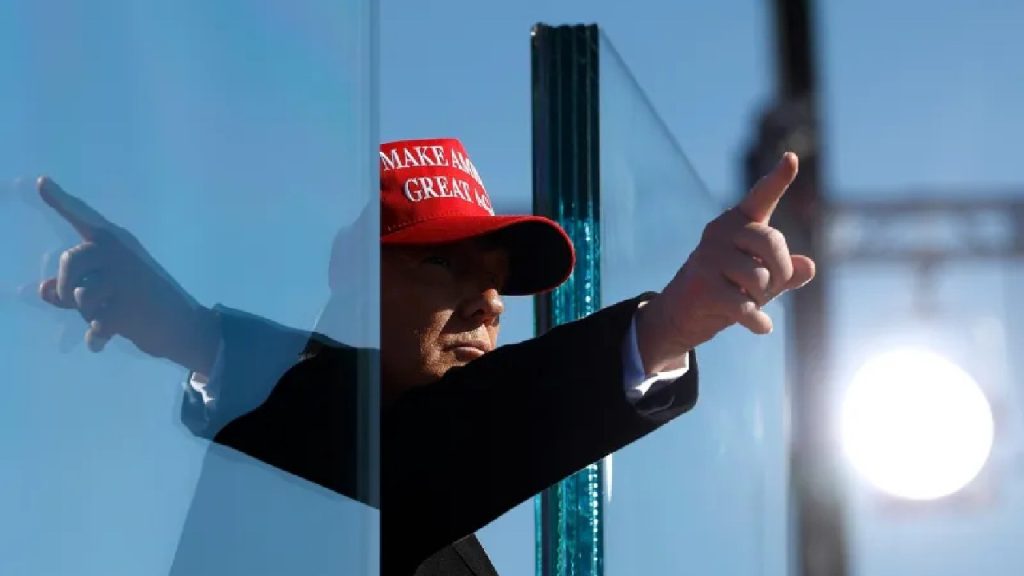
As of January 5, 2026, the aftermath of Operation Absolute Resolve has left Venezuela in a state of strategic confusion. While President Trump celebrated the “capture” of Nicolás Maduro as a historic law enforcement success, the administration’s stated plan to “run” the country has met with significant domestic and international skepticism.
Emirati-Israeli Strategic Collaboration Threatens Regional Stability Through Yemen
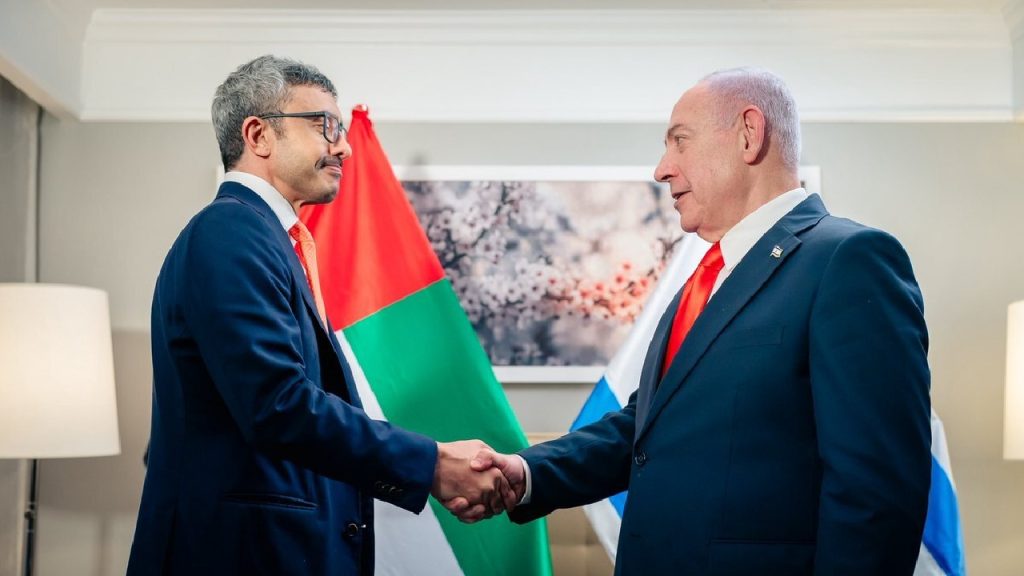
In January 2026, the Middle East is witnessing a historic realignment as the UAE-Israel partnership moves from diplomatic cooperation to operational military presence. This collaboration is centered on the Bab al-Mandab Strait and the strategic fragmentation of Yemen, creating a significant rift between the UAE and its traditional ally, Saudi Arabia.
Abraham Accords Face Critical Test Amid Regional Contradictions
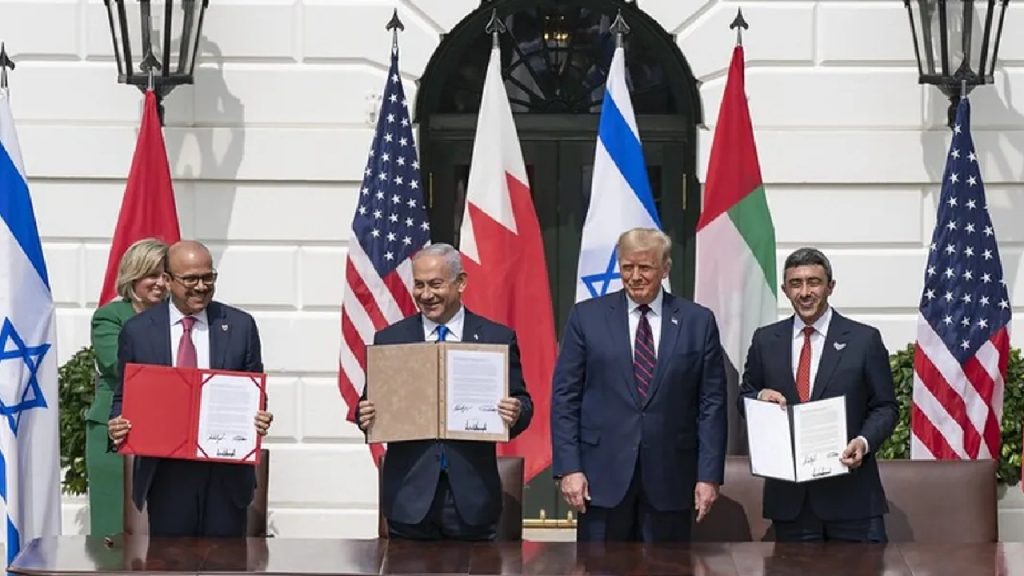
In January 2026, the Abraham Accords are entering their most critical phase, as the pragmatic “outside-in” strategy for regional peace faces the dual pressures of Iranian proxy escalation and the internal institutionalization of political Islam.
Trump Administration’s Military Strategy Contradicts Peace Rhetoric
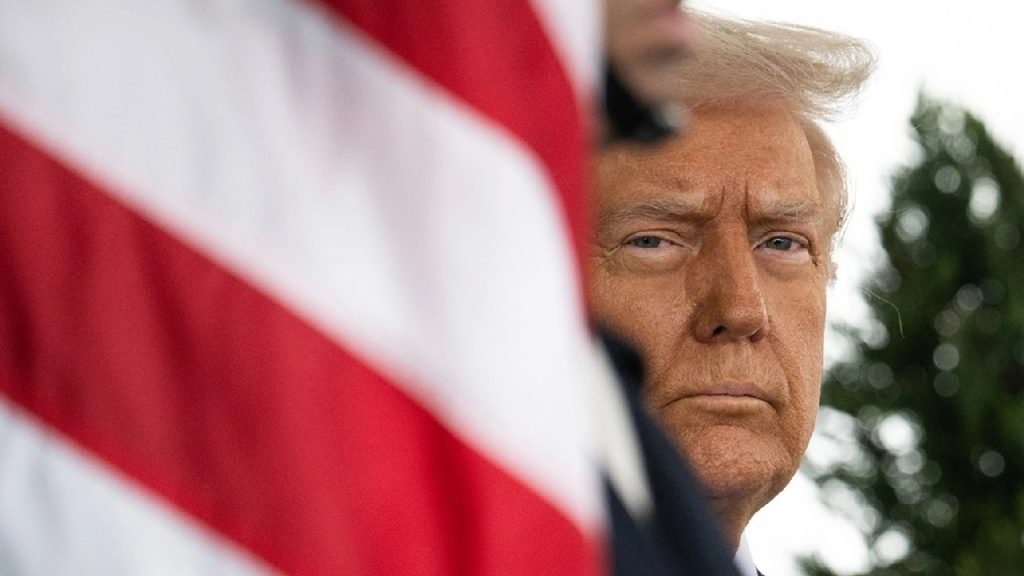
In early 2026, the global security landscape is dominated by the fallout of the Trump administration’s 2025 National Security Strategy (NSS) and the subsequent military operation in Venezuela. These actions have ignited a fierce debate over whether the administration’s “America First” doctrine is a path to restraint or a new era of aggressive unilateralism.
Trump’s Venezuela Strike Threatens Entire Latin America with Military Intervention

On January 3, 2026, the U.S. executed Operation Absolute Resolve, a massive military strike on Caracas that resulted in the capture of President Nicolás Maduro and First Lady Cilia Flores. Trump has since declared a “Trump Corollary” to the Monroe Doctrine, signaling a new era of direct intervention.