
Iraq 2.0: The Legal Architecture of the New American Occupation in Gaza

The adoption of UN Security Council Resolution 2803 in late 2025 signifies a significant change in governance for the Gaza Strip, shifting from Israeli military control to an American-led administration. The resolution, while citing “stabilization” and “transitional administration,” reflects strategies analogous to those used during the 2003 Iraq invasion. By forming a “Board of Peace” and a Civil-Military Coordination Center (CMCC), the U.S. positions itself as the new de facto occupying power, leveraging international mandates to obscure violations of Palestinian sovereignty.
US ‘War on Cartels’ Sparks Constitutional Crisis Over Illegal Kill Orders

The Trump administration’s use of military force against Latin American drug trafficking has raised concerns of a constitutional crisis. Reports of “double-tap” strikes on survivors and orders to “kill them all” blur the lines between law enforcement and armed conflict. This militarized counter-narcotics strategy risks undermining legal standards for U.S. military actions and could set a perilous international precedent for lethal force.
The Paradox of Tolerance: How Cultural Relativism Can Enable Authoritarianism

The collapse of a free society typically happens gradually rather than through sudden events. Historical evidence shows that the erosion of liberty often results from well-intentioned ideas about justice, diversity, and anti-imperialism. This situation is captured by the “paradox of tolerance,” which asserts that unlimited tolerance can ultimately lead to the loss of tolerance itself.
The Emerging G2 Framework: Why Indo-Pacific Security Must Transcend US-China Dynamics

The recent Trump-Xi summit at the APEC gathering in Busan has raised critical questions regarding regional security architecture, particularly with Washington’s announcement of a “G2” framework with Beijing, which may reshape the Indo-Pacific strategic landscape beyond bilateral trade negotiations.
Brazil’s Quest for Global Recognition: Navigating Between Western Heritage and Global South Leadership

Brazil’s foreign policy is influenced by a unique historical context; unlike many Global South countries with colonial histories, Brazil’s frustrations arise from its exclusion from the leadership of the postwar order it helped create. This ongoing disappointment informs Brazilian diplomacy, fueling campaigns for institutional reform and recognition, reflecting both ambition and insecurity.
Dublin’s Diplomatic Drift: Connolly’s Presidency and the Widening Rift with Israel

The election of Catherine Connolly as the 10th President of Ireland in October 2025 marks a significant change in Dublin’s foreign policy, moving from critical neutrality to perceived hostility towards Israel. Connolly’s characterization of Hamas as integral to Palestinian society indicates a substantial shift in the Irish electorate’s geopolitical stance, creating notable diplomatic challenges for both Jerusalem and Brussels.
Trump’s Gaza Stabilization Force Faces ‘Peace Enforcement’ Deadlock

The adoption of UN Security Council Resolution 2803 signifies a diplomatic win for the Trump administration, endorsing the “20-point plan” for Gaza. However, the initiative faces challenges due to major Arab powers’ refusal to participate in “peace enforcement” against Hamas, which may hinder the deployment of the authorized International Stabilization Force (ISF) aimed at securing the region.
Western Powers: Financing Destruction While Policing Truth in Gaza

The current Gaza crisis highlights the contradictions in Western foreign policy, where countries advocating for human rights and international law simultaneously support military actions and ignore casualty statistics, showcasing a consistent pattern of deliberate hypocrisy that transcends the region.
Israel’s 2026 Election Faces Unprecedented Digital Security Threats
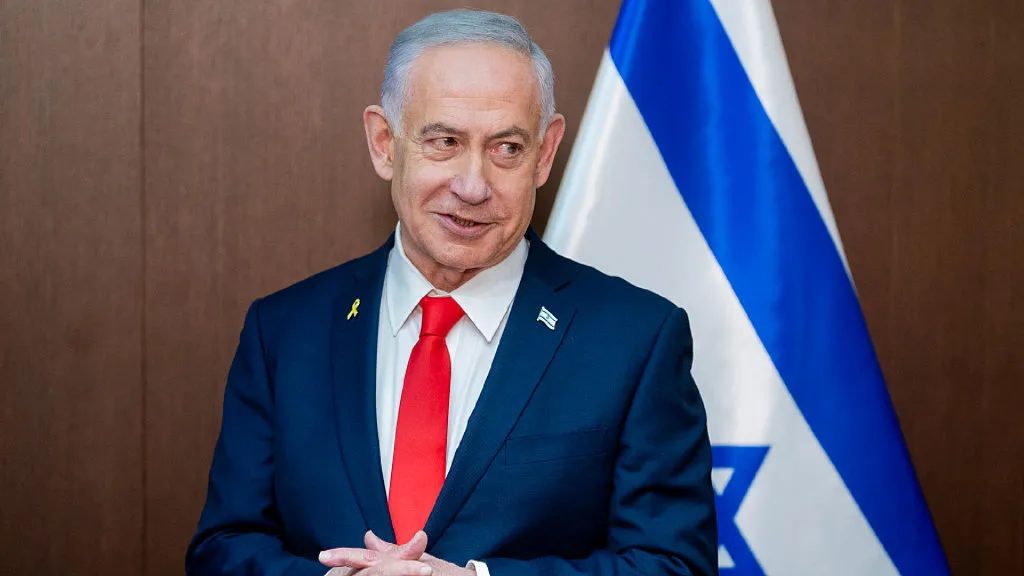
As Israel nears its 2026 legislative elections, it faces significant threats to electoral integrity, including advanced foreign interference, domestic disinformation campaigns, and unaddressed institutional vulnerabilities.
Gaza Needs an International Peacekeeping Force Now
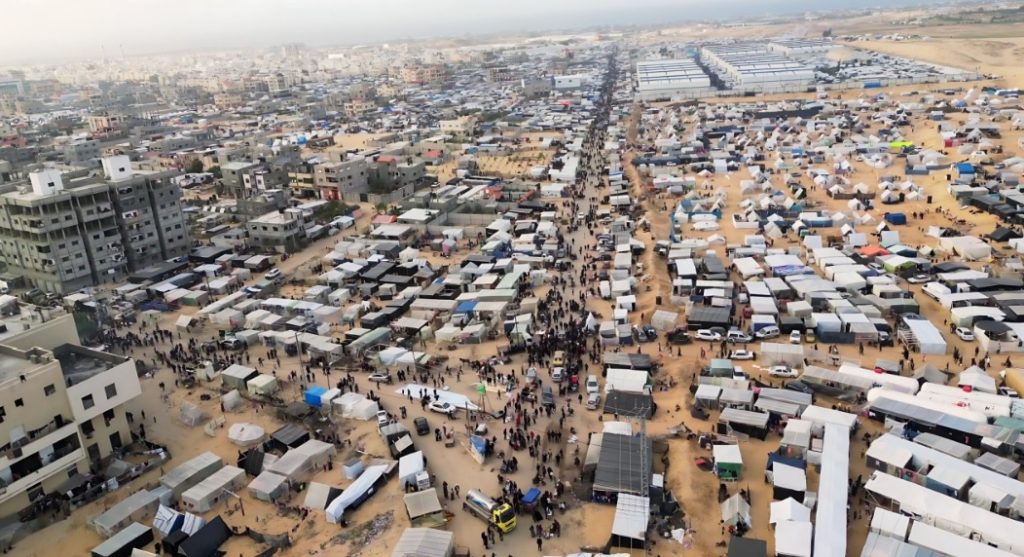
Gaza Needs an International Peacekeeping Force Now
A multinational peacekeeping force will be severely tested by the current conditions in Gaza.
AI is not Africa’s savior: Avoiding technosolutionism in digital development

The inaugural Global AI Summit in Africa, hosted by Rwanda, produced the Africa Declaration on Artificial Intelligence, uniting most African Union members around shared AI goals. Despite this milestone, geopolitical tensions, regional divides, and overhyped “techno-solutionist” visions threaten realistic progress. Experts stress the need for locally driven, infrastructure-focused, and context-appropriate AI development aligned with African priorities rather than external commercial interests.
Taiwan’s recall vote: Implications for Taiwan, China, and the United States
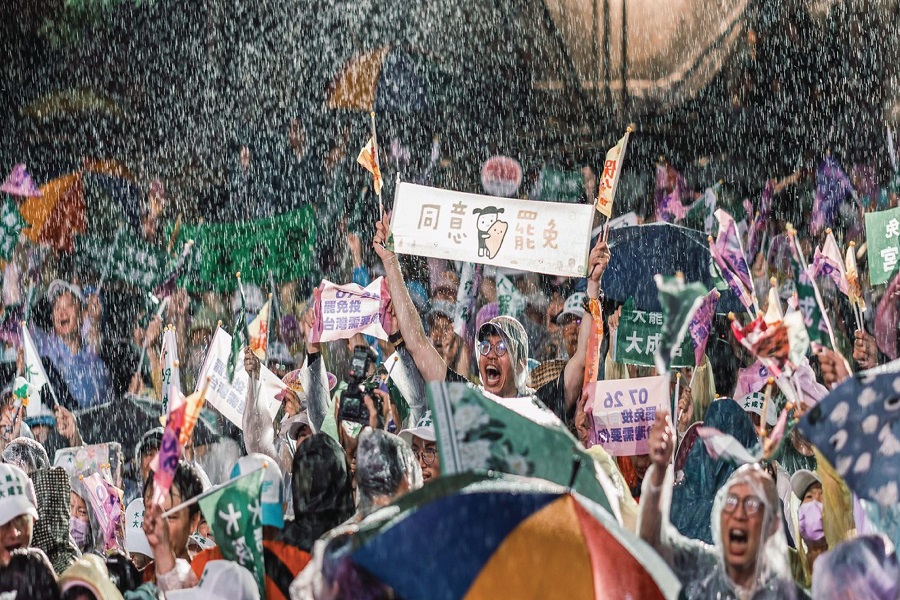
Taiwan’s recent recall vote against opposition KMT lawmakers failed, allowing all targeted legislators to keep their seats and signaling public rejection of accusations they were acting on Beijing’s behalf. The result preserves Taiwan’s divided government, a scenario Beijing prefers as it reduces the risk of moves toward independence. Washington stayed silent, but the outcome could either stall Taiwan’s defense initiatives or shift politics toward a calmer, future-oriented debate. How Beijing interprets the result—and how President Trump responds—will shape cross-Strait dynamics in the years ahead.