
Pacific-Centered Strategy: Trump’s National Security Approach Redefines Global Competition
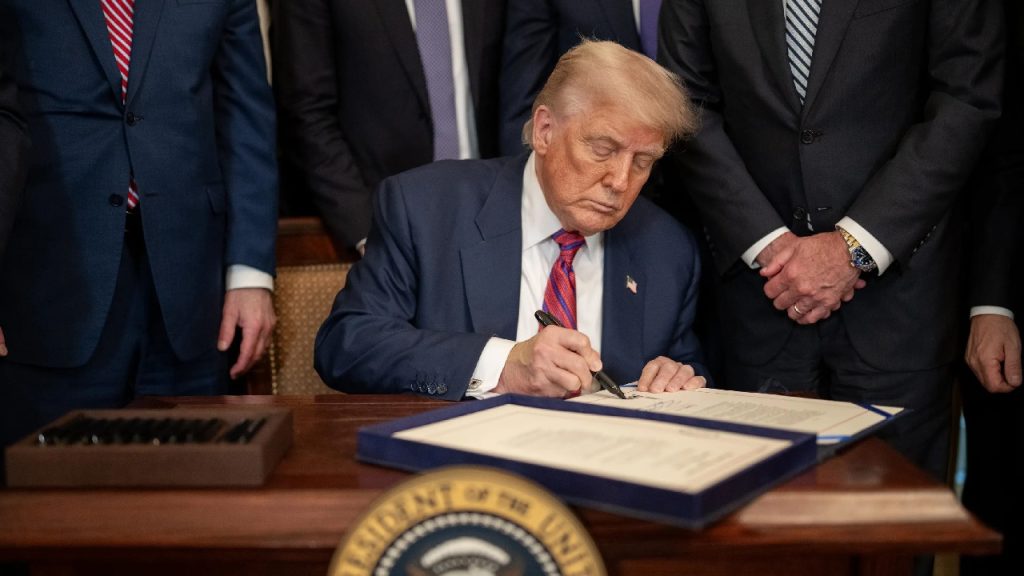
Trump’s 2025 National Security Strategy prioritizes economic competition over ideological warfare, reframing China as a commercial rival rather than a systemic threat. By reviving the Monroe Doctrine and demanding allies triple defense spending, the administration seeks “low-cost hegemony” while shifting America’s strategic center of gravity toward the Pacific Rim.
Middle Eastern Energy Politics: Transition as Power Redistribution Rather Than Technical Evolution

Middle Eastern energy transition is not a mere technical shift but a fundamental geopolitical power redistribution. While regional players like Saudi Arabia and Qatar invest in renewables, they simultaneously leverage hydrocarbons to assert autonomous diplomacy, navigating a multipolar world where energy remains a primary instrument of strategic influence and state survival.
Machine-Generated Misinformation and Nuclear Security: Artificial Intelligence Risks in Early Warning Systems

AI integration in nuclear early warning systems creates catastrophic risks by generating high-fidelity “hallucinations” and deepfakes that could trigger accidental escalation. To ensure strategic stability, nuclear powers must maintain strict “human-in-the-loop” protocols, improve deepfake detection, and prioritize information accuracy over launch speed in crisis decision-making.
Trump’s Transactional Approach: Negotiating an End to the Ukraine War
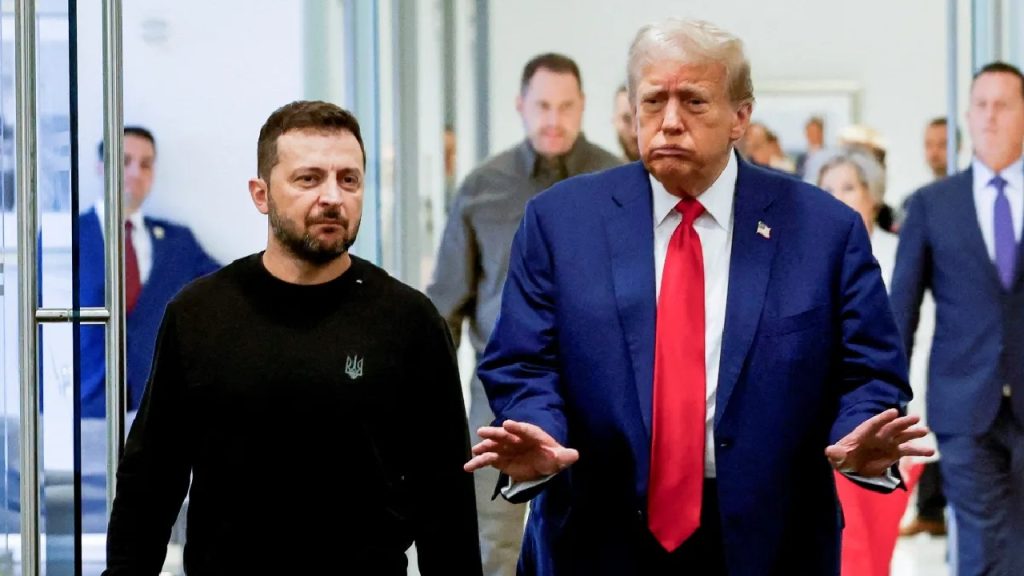
Trump’s 2025 peace push centers on a transactional deal trading Ukrainian NATO aspirations for long-term U.S. security guarantees. The framework involves potential territorial concessions in Donbas and a national referendum, shifting away from previous demands for full Russian withdrawal to prioritize a rapid, comprehensive end to the war.