
Transatlantic Relations Strain: Why Europe Must Assert Strategic Autonomy Against Washington
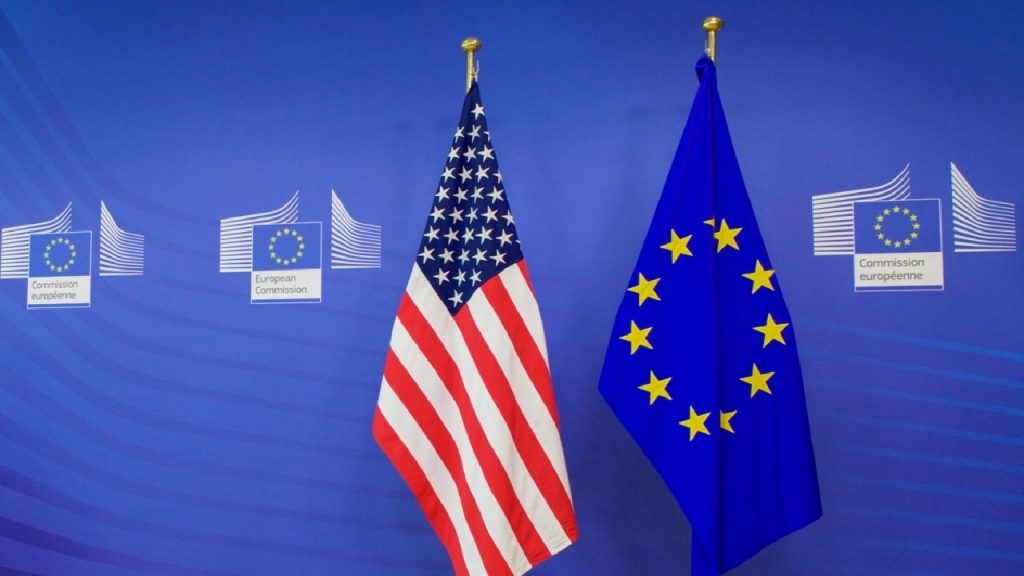
As transatlantic relations hit a breaking point in 2025, Europe faces a critical crossroads. From aggressive trade tariffs to diplomatic provocations regarding Greenland and travel bans on EU officials, Washington’s actions demand a shift toward strategic autonomy. Europe must now move beyond restraint to implement effective deterrence against its historic ally.
Strategic Competition in the Horn of Africa: Regional Implications of Israeli Recognition of Somaliland

Israel’s landmark recognition of Somaliland in 2025 has ignited a geopolitical firestorm in the Horn of Africa. This strategic move directly challenges Turkey’s massive regional investments and energy projects, turning the Red Sea corridor into a high-stakes arena for great power competition and maritime control.
Navigating Rivalry: How India Manages Its Complex Relationship with China
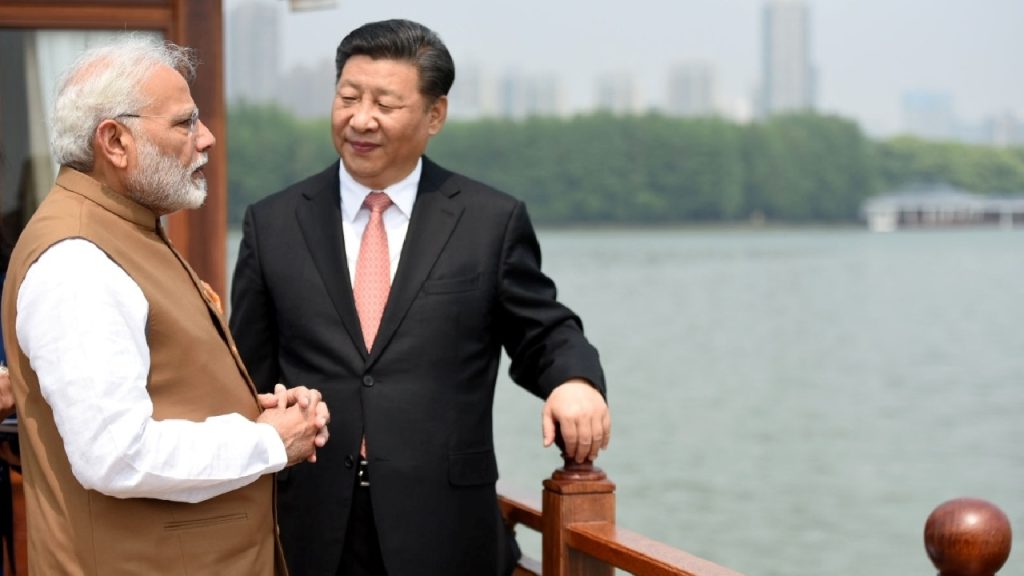
As of late 2025, India’s relationship with China has evolved into a “managed rivalry.” Following the historic October 2024 border patrol agreement, both nations have completed initial troop disengagements at friction points like Depsang and Demchok. However, this tactical thaw has not resolved the underlying paradox: a hardened military standoff alongside a record-breaking trade deficit.
Expanding Orbital Influence: China’s Strategic Space Partnerships in the Middle East and North Africa
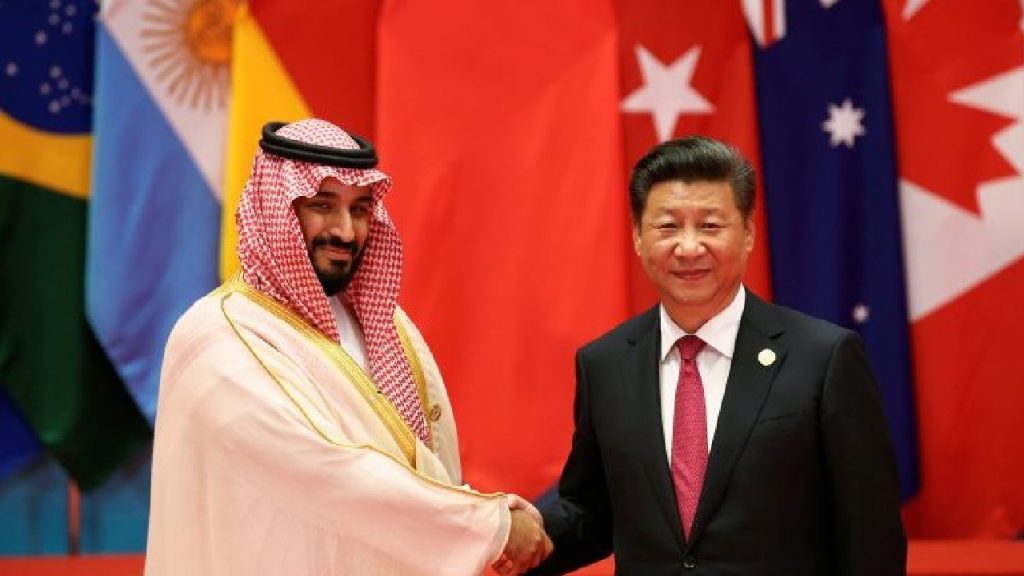
China has transitioned from a traditional infrastructure builder to a primary provider of high-tech space solutions for the Middle East and North Africa (MENA). By offering launch services, satellite manufacturing, and the BeiDou navigation system, Beijing is establishing a “Space Silk Road” that challenges Western technological dominance while enabling regional powers to achieve “strategic autonomy.”
Trump’s Venezuela Strategy: A Comprehensive Analysis of Military Escalation, Legal Questions, and Policy Alternatives
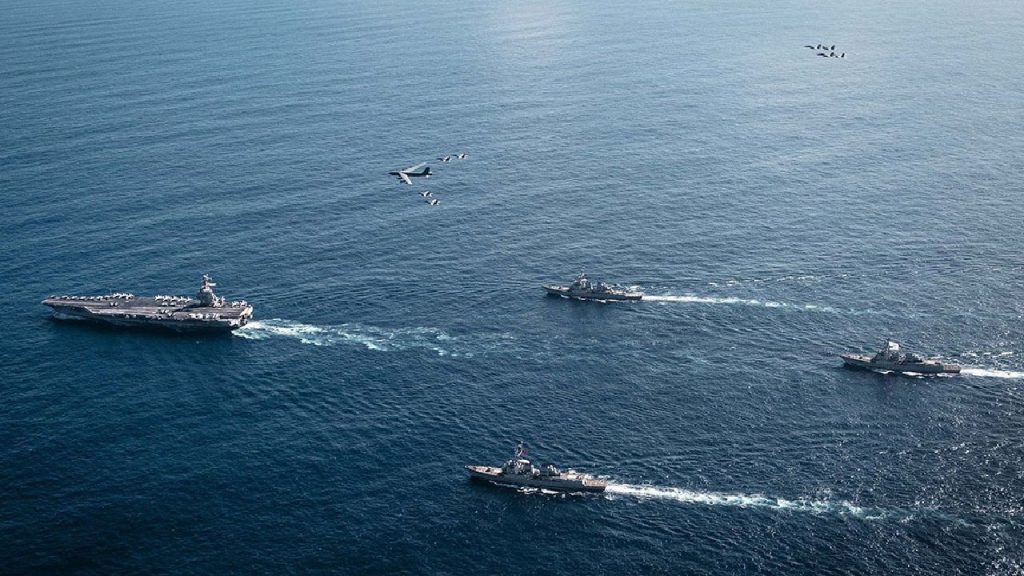
Trump’s “Operation Southern Spear” leverages a fentanyl WMD designation to bypass Congress, launching military strikes and an oil blockade against Venezuela.
Evolving Diplomatic Dynamics: European-Israeli Relations Under Pressure
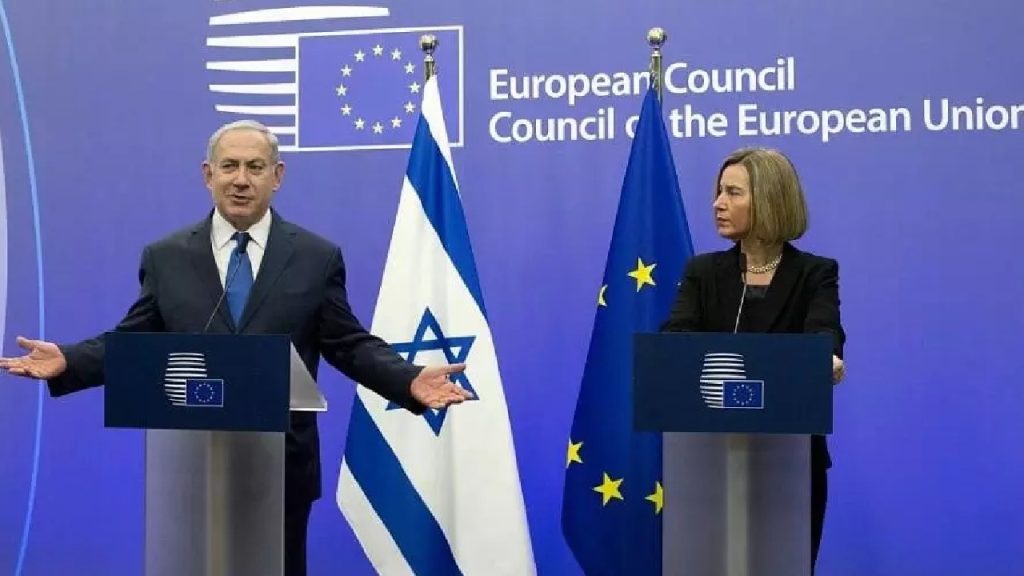
Rising tensions over Gaza and West Bank settlements have forced a reassessment of the EU-Israel Association Agreement. While Spain, Ireland, and Norway’s recognition of Palestine marks a diplomatic rift, the EU remains Israel’s largest trading partner. Future cooperation faces a deadlock between legal obligations to the ICJ and internal opposition from pro-Israel members like Germany and Hungary.