
Trump North Korea Engagement: Denuclearization Abandonment Risks Nuclear Proliferation Cascade
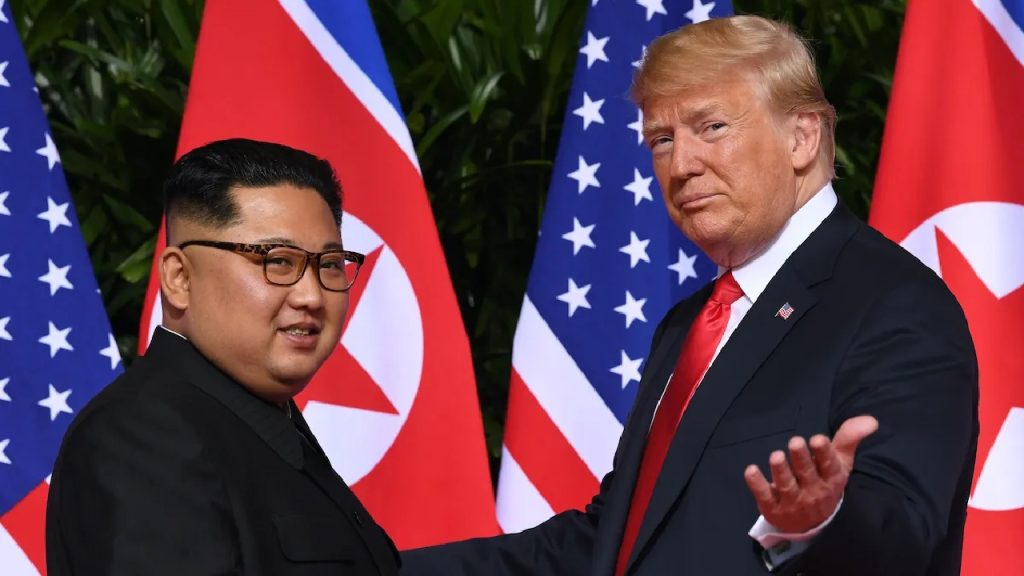
President Trump’s 2025 push to resume direct talks with Kim Jong Un has sparked fears of abandoning long-standing denuclearization goals. As Kim gains stature alongside Xi and Putin, critics warn that legitimizing a nuclear North Korea could trigger a proliferation cascade, undermining decades of U.S. strategy for a Nobel Peace Prize.
Trump Middle East Policy 2025: Gaza Ceasefire Implementation and Regional Ambitions
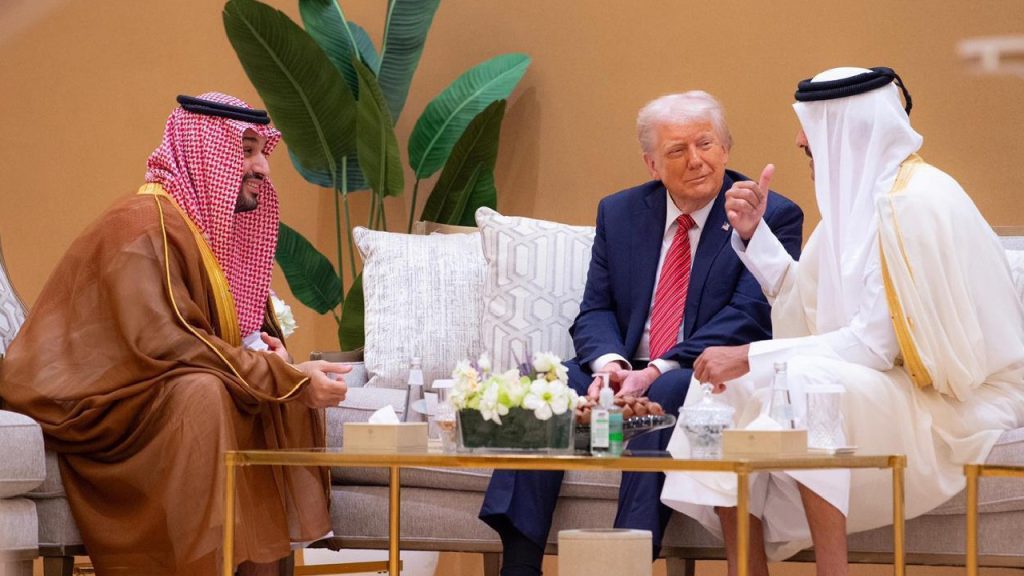
President Trump’s 2025 return has reshaped the Middle East through a fragile Gaza ceasefire and “maximum pressure” on Iran, including strikes on nuclear sites. While normalization with Saudi Arabia remains stalled over Palestinian statehood, Trump has pivoted toward Syria, lifting sanctions to back its new leadership.
Saudi-UAE Regional Competition: Economic Hub Rivalry and Political Divergence Risk Gulf Stability
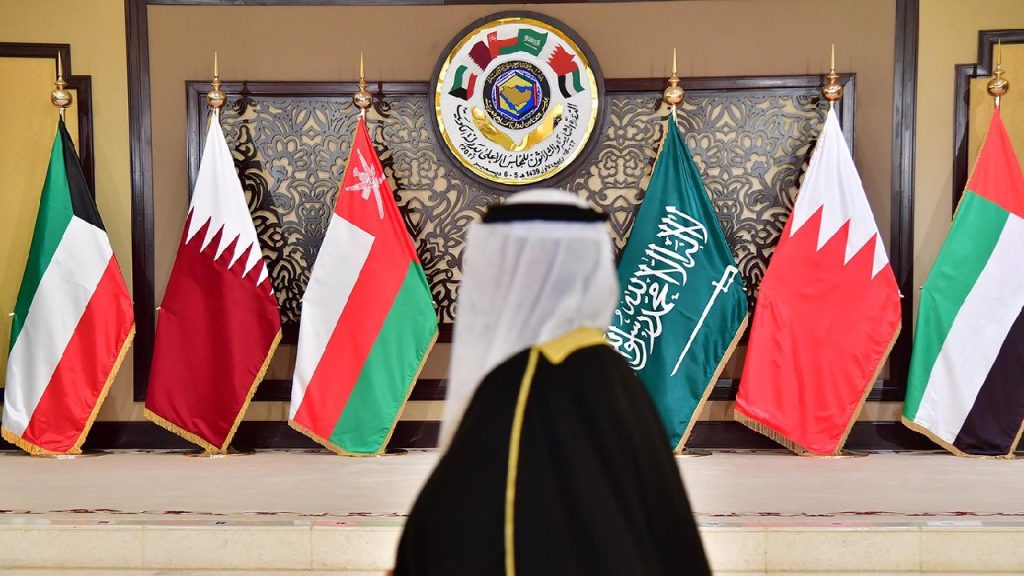
The competition between Riyadh and Abu Dhabi has shifted from healthy rivalry to a high-stakes struggle for regional gravity. As Saudi Arabia lures 675 global headquarters with tax incentives, it directly challenges the UAE’s hub model. This economic friction, mirrored in political clashes over Sudan and Yemen, threatens to destabilize Gulf integration and overall regional security.
Libya Crash Near Ankara: Turkey Security Guarantees Questioned Amid Sabotage Speculation
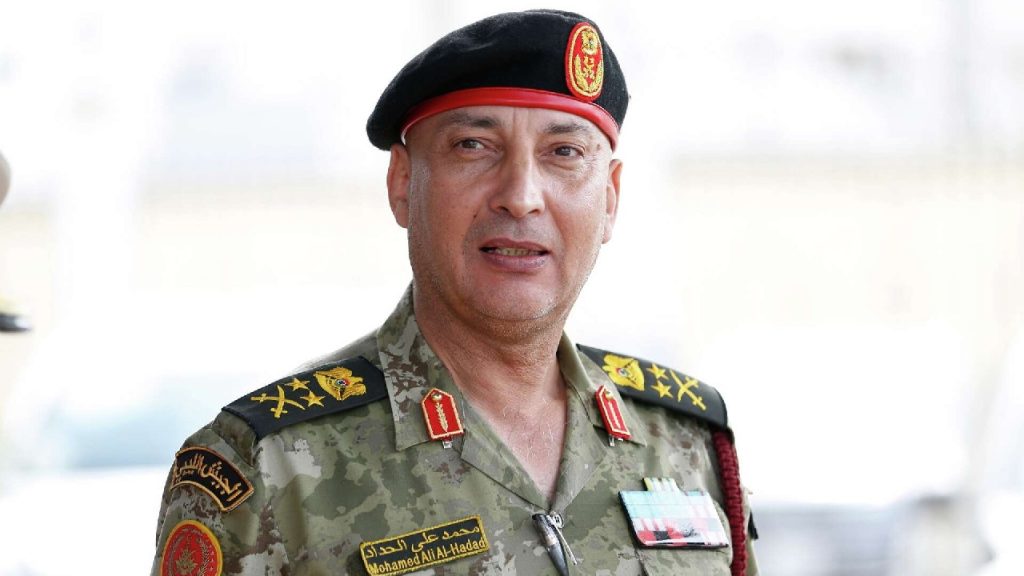
The suspicious crash of a Libyan military jet near Ankara has killed Chief of Staff Mohammed Al-Haddad, sparking fears of Russian sabotage. Turkey’s decision to send black boxes to a “neutral country” highlights its strategic fragility, leaving western Libya in a power vacuum and threatening the Turkey-Tripoli alliance.
China-Venezuela Relations: Rhetorical Support Versus Strategic Commitment Constraints
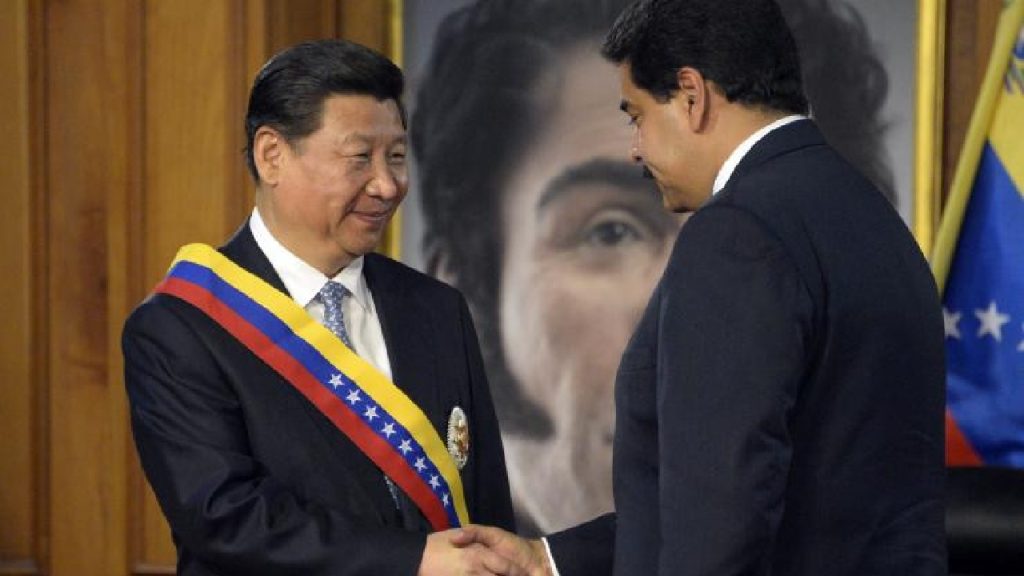
As the Trump administration revives the Monroe Doctrine to pressure Caracas, Beijing’s influence in Latin America faces a critical test. Despite condemning U.S. “bullying,” China’s response remains purely symbolic, revealing its unwillingness to militarily defend Venezuela and highlighting the stark reality of American hegemony in the Western Hemisphere.
Russia Nuclear Modernization: Coercive Deterrence and Strategic Messaging
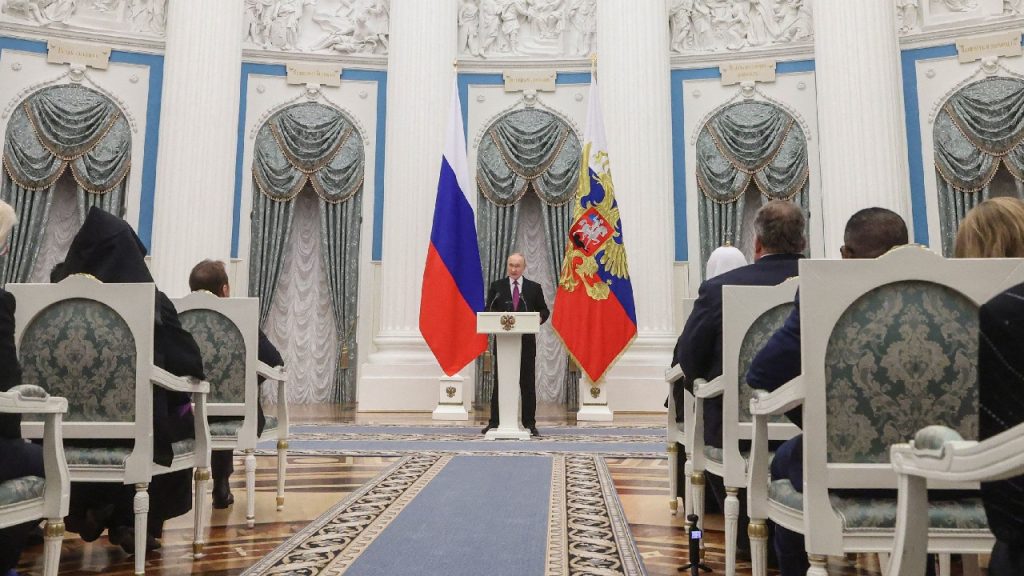
In a December 2025 address, Vladimir Putin declared Russia’s nuclear forces “92% modernized,” showcasing high-tech weapons like the Oreshnik, Burevestnik, and Poseidon. With the New START treaty nearing expiration and Oreshnik missiles now deployed in Belarus, Moscow is leveraging strategic uncertainty and doomsday capabilities to deter Western interference and gain diplomatic advantage in Ukraine.
Sudan Genocide: Humanitarian Catastrophe Dwarfs Gaza Crisis in Scale and Media Neglect
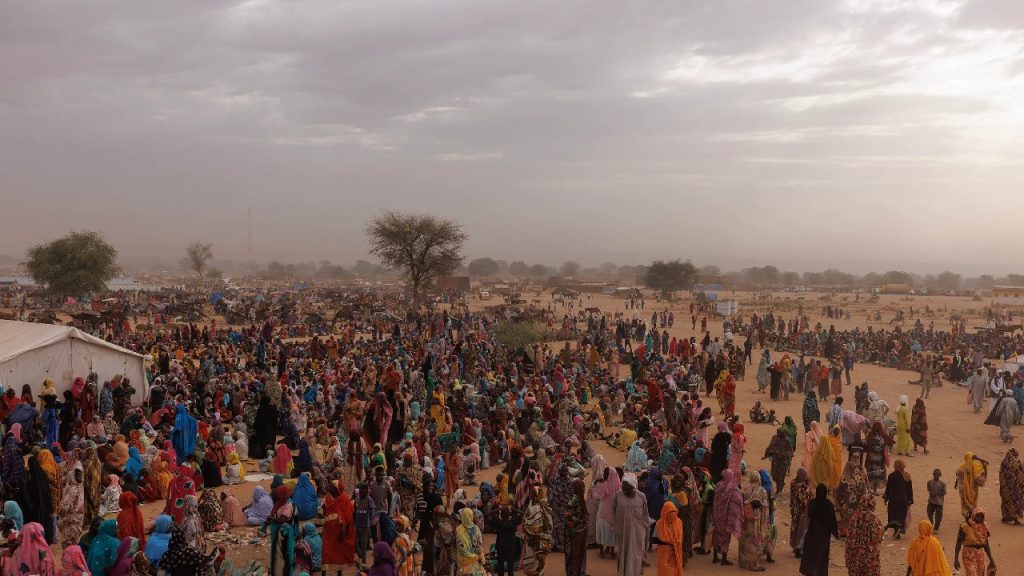
Sudan faces the world’s most severe humanitarian crisis, with 21.2 million people suffering from acute food insecurity and 12 million displaced. Despite confirming famine and widespread atrocities by the Rapid Support Forces (RSF), the conflict remains largely neglected by U.S. media. Drastic 2025 U.S. aid cuts and foreign arms supplies continue to fuel the devastation, leaving millions at risk of starvation and death.
Trump Fentanyl WMD Designation: Drug War Militarization Echoes Iraq War Precedent

President Trump has officially designated fentanyl a “Weapon of Mass Destruction,” equating cartels with terrorists to justify extrajudicial military strikes. Mirroring the Iraq War’s rhetoric, this strategy bypasses Congress and international coalitions, raising fears of domestic military deployment and imminent regime change efforts in Venezuela.