
Trump’s Iraq Strategy: Unconventional Envoy Appointment Signals Transactional Diplomacy Shift
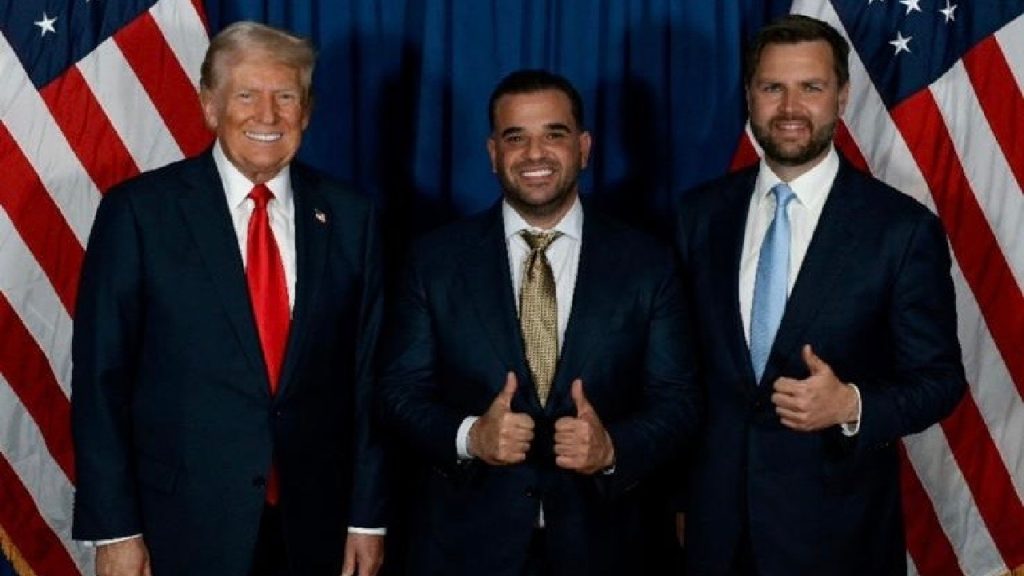
In a major shift toward “business-oriented diplomacy,” President Trump has appointed Detroit entrepreneur Mark Savaya as the U.S. Special Envoy to Iraq. A Chaldean-American with deep regional ties but no traditional diplomatic background, Savaya is tasked with stabilizing Iraq’s economy and curbing Iranian influence. His mission—focused on disarming militias and opening Iraqi oil and energy markets—signals a pragmatic, deal-driven era for U.S.-Iraq relations that prioritizes economic sovereignty over conventional foreign policy.
Sudan’s Humanitarian Catastrophe: Global Indifference to the World’s Largest Crisis
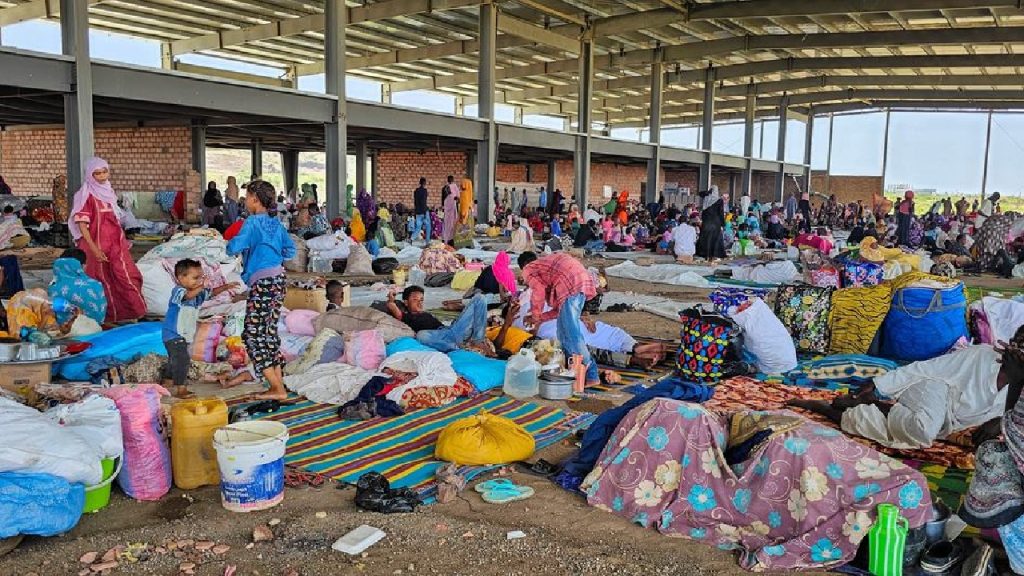
With 25 million people facing extreme hunger and 14 million displaced, Sudan’s civil conflict has escalated into a genocide largely ignored by the global spotlight. As the Trump administration’s 2025 aid cuts and foreign military interventions fuel the fire between warring factions, the collapse of Sudan’s democratic transition has left half the population in famine conditions, desperate for a diplomatic breakthrough that remains out of reach.
Revisionist Zionism’s Iron Wall Doctrine: Ideological Foundations of Netanyahu’s Strategy

Vladimir Jabotinsky’s “Iron Wall” essay remains the cornerstone of Revisionist Zionism, arguing that regional peace can only be achieved through an unbreachable military presence. From its early ideological ties with nationalist movements to Benjamin Netanyahu’s current hardline policies, this doctrine prioritizes military dominance and settlement expansion over negotiated compromise, framing the Israel-Arab conflict as a perpetual struggle for security and sovereignty.
Indo-Pacific Strategic Geography Challenges US Extended Deterrence Framework
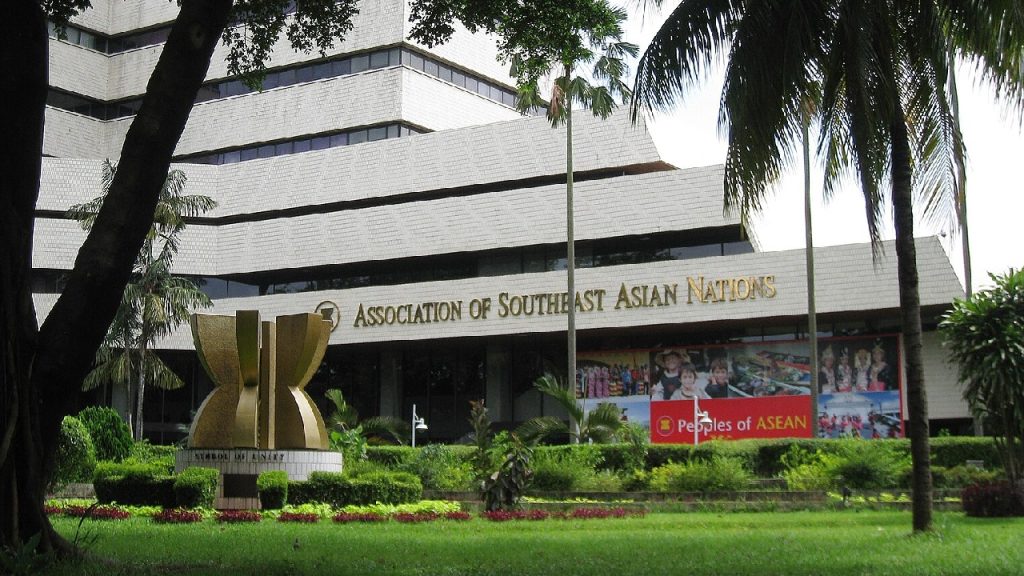
The Indo-Pacific has replaced the Cold War-era European theater as the primary arena for American strategic competition, presenting unique geographic and military challenges. As China targets 2027 for regional dominance and control over Taiwan, the U.S. is rapidly adapting its alliance structures with Japan, Australia, and the Philippines to counter advanced missile threats and navigate a complex new era of nuclear deterrence.
CBS CECOT Segment Cancellation: Editorial Independence and Political Pressure Convergence
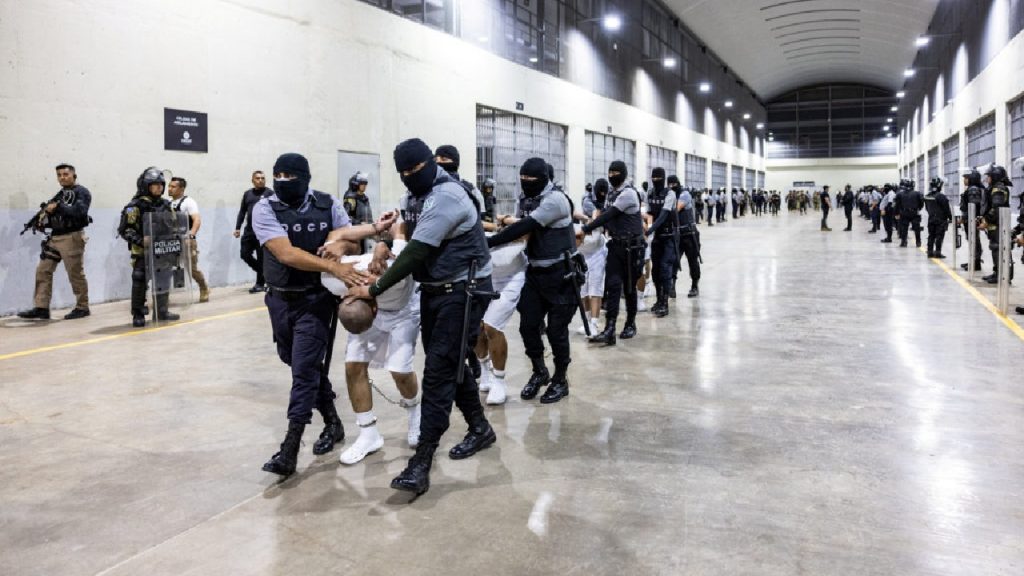
The last-minute cancellation of a “60 Minutes” report on torture at El Salvador’s CECOT prison has ignited a firestorm over editorial independence and political interference at CBS News. While Editor-in-Chief Bari Weiss cites a lack of new information, correspondent Sharyn Alfonsi and critics label the move as corporate censorship, raising urgent questions about media integrity and government influence in the wake of the Trump administration’s aggressive immigration policies.