
Syria’s Transitional Government: International Recognition Amid Domestic Fragility

Ahmed al-Sharaa’s administration in Syria marked its first anniversary by achieving diplomatic milestones and facing internal strife post-Bashar al-Assad’s fall. Key successes include gaining Western backing, with the U.S. and U.K. removing Sharaa from terrorist lists, and normalizing relations through significant meetings, notably with President Trump. These diplomatic efforts led to sanctions relief under the Caesar Act and Syria’s return to SWIFT, fostering prospects for economic recovery amid challenges in asserting control over the diverse sectarian landscape.
Strategic Energy Competition: Nuclear Fusion Development Reshapes US-China Technological Rivalry

The competition between Washington and Beijing over nuclear fusion technology is a key aspect of 21st-century geopolitical rivalry, impacting not just energy policy but also artificial intelligence, military applications, and global economic power. China has invested at least $6.5 billion in fusion since 2023, significantly outpacing US funding. The urgency for both nations to develop commercial fusion power is intensified by increasing energy demands from AI infrastructure. China’s recent achievement of a 1,000-second plasma containment further challenges US dominance. The nation that first commercializes fusion will likely set industry standards and control supply chains, analogous to past competitions in solar panels and electric vehicles.
Policy Volatility Clouds 2026 Economic Outlook Despite Growth Optimism

Economic forecasts suggest modest expansion for the US in 2026, with Goldman Sachs estimating a 2.6% GDP growth driven by AI investment. However, ongoing policy uncertainty from the Trump administration may jeopardize these projections, leading to political disruptions influencing midterm election results. Current indicators are favorable for opposition messaging, as negative consumer sentiment persists and inflation remains a top concern. GDP growth for 2025 is projected at 2%, lower than Biden’s last two years, while unemployment has increased from 4% at Biden’s exit to 4.6% currently.
European Strategic Decline: Three Concurrent Crises Reshape Global Power Dynamics
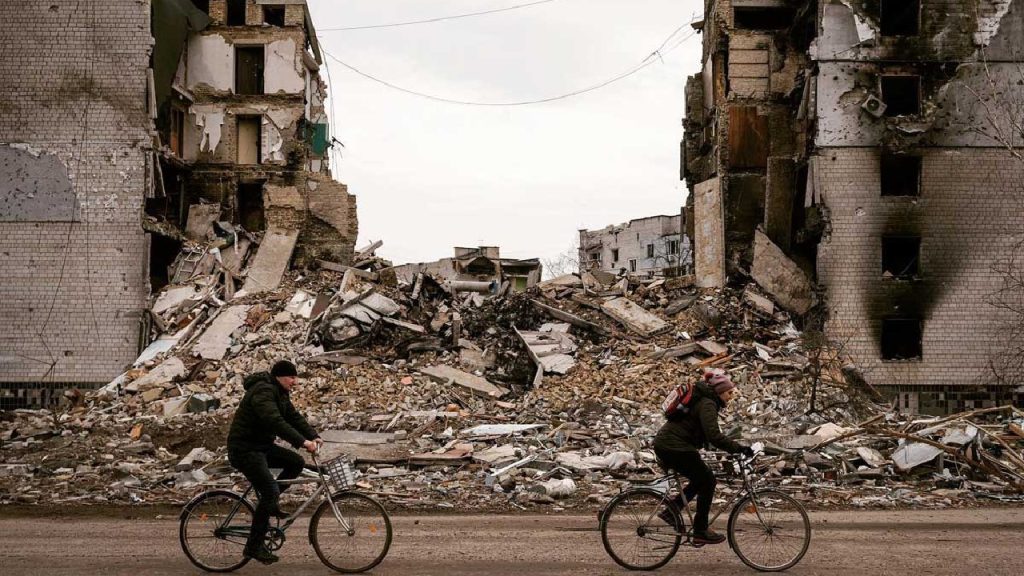
Three key geopolitical events in 2025 have shifted Europe’s role from an aspiring strategic player to a subordinate partner reliant on external powers. The military defeat in Ukraine, technological dependence on China, and economic capitulation to the United States expose deep structural vulnerabilities that years of integration did not resolve, resulting in Europe’s reduced influence amid increasing global competition.