
Transatlantic Alliance Transformation: Strategic Implications of American Reorientation

The North Atlantic relationship is undergoing a significant transformation due to shifting American strategic priorities from alliance-based internationalism to sphere-of-influence arrangements among major powers. This change, evident in recent policies and diplomatic actions, raises important questions regarding the sustainability of the transatlantic security architecture and its implications for both American and European interests.
Gaza Stabilization Framework: Implementation Challenges Beyond Diplomatic Architecture

The twenty-point Gaza peace agreement has successfully halted active hostilities and enabled hostage returns. Yet, as it moves to implementation, concerns arise over whether its complex framework can effectively address the deeper power dynamics and political realities at play.
China-Venezuela Partnership: Testing All-Weather Alliance Under Pressure
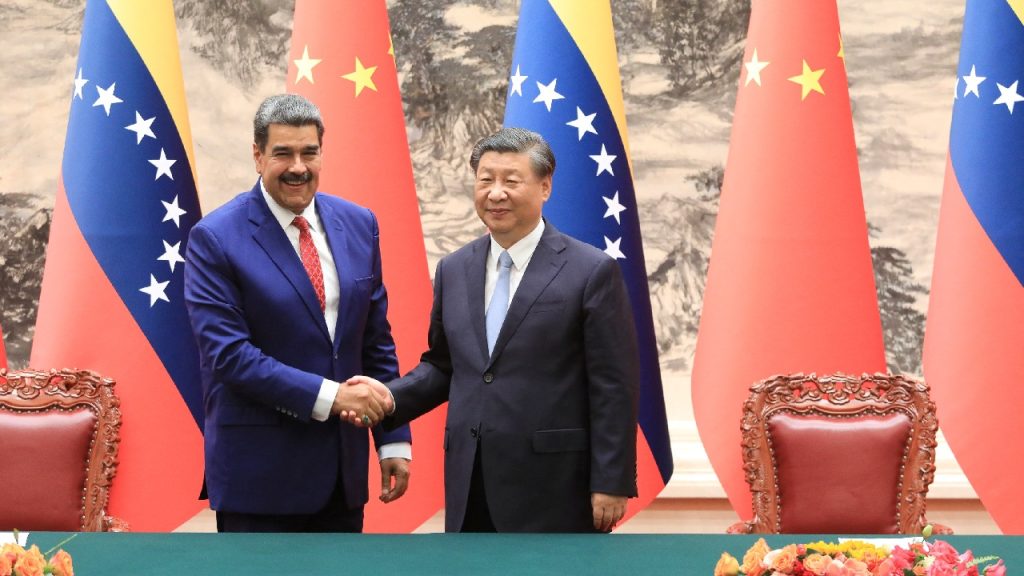
Recent U.S. military actions near Venezuela have challenged China’s commitment to its partnership with Caracas, showcasing a mix of rhetorical support, economic engagement, and military cooperation, but lacking in security guarantees or substantial financial support. This situation highlights China’s strategy in managing partnerships under Western influence and the limitations of its declarations of solidarity.