
The Silent Transformation: Demographic Shifts and the Crisis of Western Identity
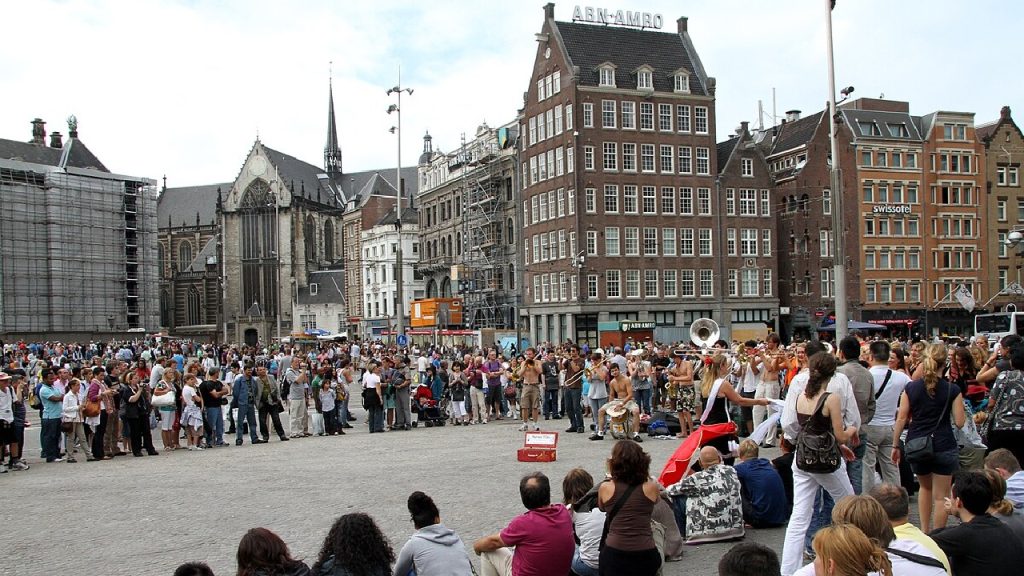
Western democracies are experiencing a significant sociopolitical transformation due to demographic changes and new ideological alliances. Eliyahu Haddad’s analysis highlights that mass migration, declining birth rates, and “ideological paralysis” contribute to a “civilizational replacement,” which is now influencing electoral dynamics in Europe and North America and impacting social cohesion, domestic security, and transatlantic relations with Israel.
The New Acheson Line: How Trump’s ‘America First’ Strategy Abandons Asia
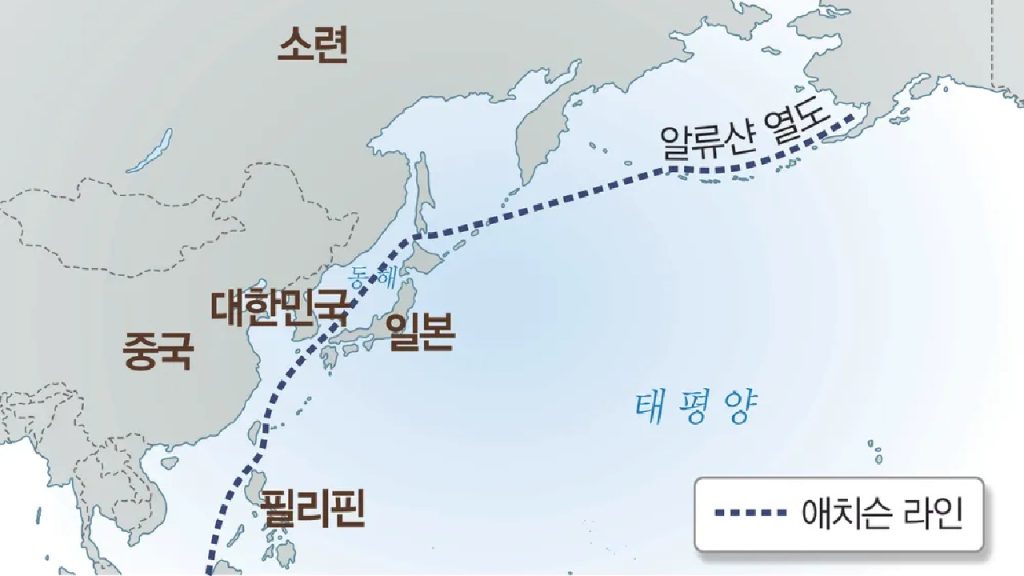
The 2025 National Security Strategy (NSS) released by the Trump administration has shocked the Indo-Pacific, indicating a major shift in U.S. defense commitments. Framed as a “realist” recalibration, it is perceived by analysts in Tokyo and Seoul as a strategic retreat, echoing the Nixon Doctrine and repositioning a defensive perimeter along the First Island Chain, thereby conceding the Asian mainland to Chinese influence and prioritizing economic nationalism over alliance unity.
Moscow’s Survival Strategy: Navigating the Post-Assad Order in Syria
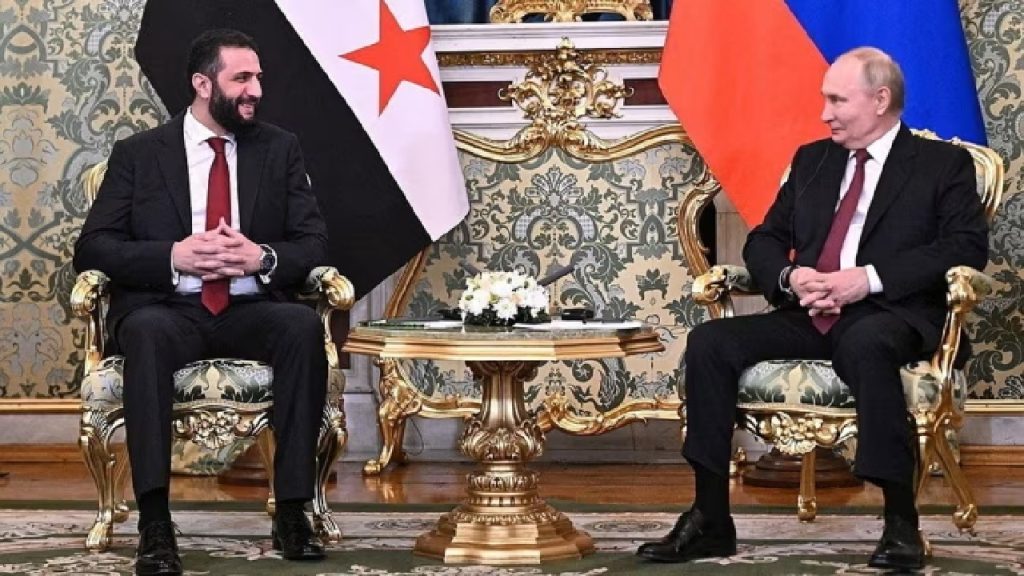
The October 2025 summit in Moscow between Vladimir Putin and Ahmed al-Sharaa highlights a shift in Russia’s diplomatic strategy following the collapse of the Ba’athist regime in Syria. Contrary to predictions of diminished Russian influence, the Kremlin has adapted its approach, favoring transactional pragmatism over ideological loyalty. By engaging with former adversaries, Russia seeks to preserve its strategic interests in the Mediterranean, underscoring that its foreign policy is primarily motivated by practical concerns.