
Tag: EnergySecurity

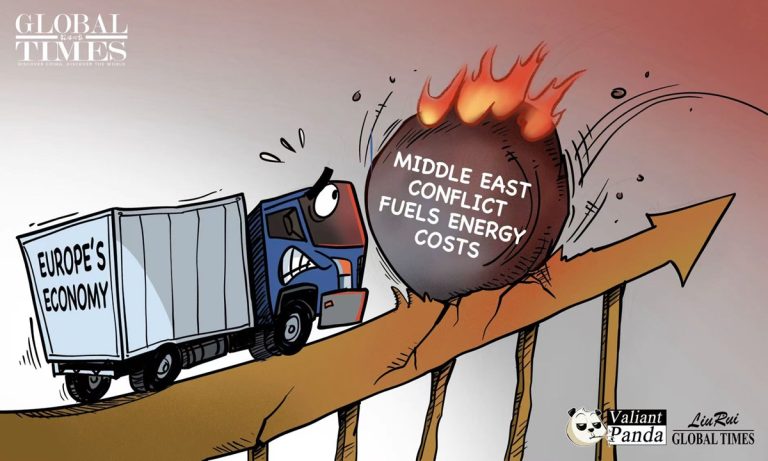
Europe’s burning burden

Analysis: Visually, political cartoonist Liu Rui depicts Europe staggering beneath a fiery, crushing weight of surging fuel and energy costs—an “energy shock” ignited by the eight-month US-Israel military campaign against Iran and ongoing disruptions in the Strait of Hormuz (Global Times, People’s Daily Online). Anchored by German Chancellor Friedrich Merz’s admission that higher energy prices from the Iran conflict have cost Europe over €100 billion in eight months (Global Times Cartoon Archive), the cartoon advances Beijing’s strategic narrative that European alignment with Washington’s military interventions is economically self-destructive. It underscores how energy insecurity and inflation are fueling widespread cost-of-living protests across Europe while deepening transatlantic rifts (People’s Daily Online).

Read More »

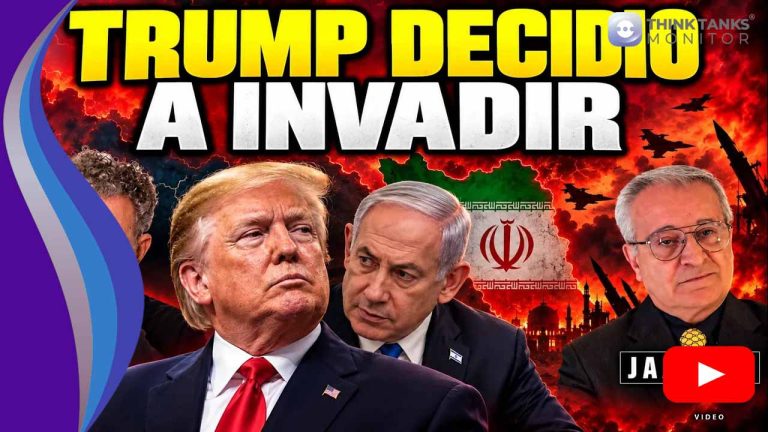
Israel Increases Pressure on Trump to Attack Iran. Juan Antonio Aguilar. Geopolitics

Analysis: Published on October 26, 2026, on Geopolitica Ariel Umpierrez, military and geopolitical analyst Juan Antonio Aguilar evaluates the strategic divergence between Israeli Prime Minister Benjamin Netanyahu’s domestic survival calculus and U.S. economic vulnerabilities ahead of the American midterm elections. Aguilar details recent Pentagon visits to Tel Aviv, the deployment of the USS Theodore Roosevelt carrier strike group, and Ansarallah strikes on regional energy infrastructure that have pushed crude futures above $113 per barrel. The analysis illustrates how a expanded regional conflict and Iranian asymmetric missile capabilities threaten to trigger cascading global energy and supply chain shortages across the Strait of Hormuz and Bab el-Mandeb.

Read More »

The Iran War and the Midterms

Analysis: Hosted by James M. Lindsay with former NSC Iran directors Cole Bucy and Nate Swanson, this episode exposes the structural limits of US military and economic coercion following Operation Epic Fury. While Washington’s naval blockade and Iran’s counter-closure of the Strait of Hormuz have spiked global diesel and insurance costs and strained US military readiness across PACOM and EUCOM, Beijing continues to purchase Iranian oil and maintain commercial air links via Chinese banks. This dynamic underscores the erosion of unilateral US sanctions enforcement and highlights how multipolar economic alignments allow regional adversaries to withstand American “maximum pressure” campaigns.

Read More »

U.S.-Russia Diesel Deal, Europe-China Hybrid Vehicle Agreement, and Tariff Refunds

Analysis: Senior Center for Strategic and International Studies (CSIS) trade analysts William Alan Reinsch and Scott Miller dissect the geopolitical fallout of the Trump administration’s decision to waive Russia sanctions and authorize Russian diesel imports amid a severe global refined-product crunch. The episode contrasts Washington’s unilateral sanctions retreat with the European Union’s negotiated volume cap on Chinese hybrid vehicles, illustrating how Western economic statecraft is fracturing under inflationary pressure. Together with U.S. court rulings forcing tariff refunds, these shifts underscore the waning effectiveness of Western coercive trade barriers against Beijing and Moscow.

Read More »