
The Silent Front: How the Middle East Conflict Has Metastasized in Europe

The European security landscape has transformed dramatically since October 2023, with a new, less visible front emerging within the EU. As attention is focused on the conflicts in Gaza and Lebanon, intelligence assessments reveal that Europe has become a logistical and operational theater for terrorist organizations. This shift signifies a hybrid threat infrastructure, blurring the lines between political activism, illicit finance, and paramilitary planning. Security services in Western Europe are increasingly alarmed by a “shadow war,” where charitable networks and student movements may unwittingly support groups like Hamas in establishing their presence in the West.
Middle East Strategic Reorientation: From Direct Engagement to Containment
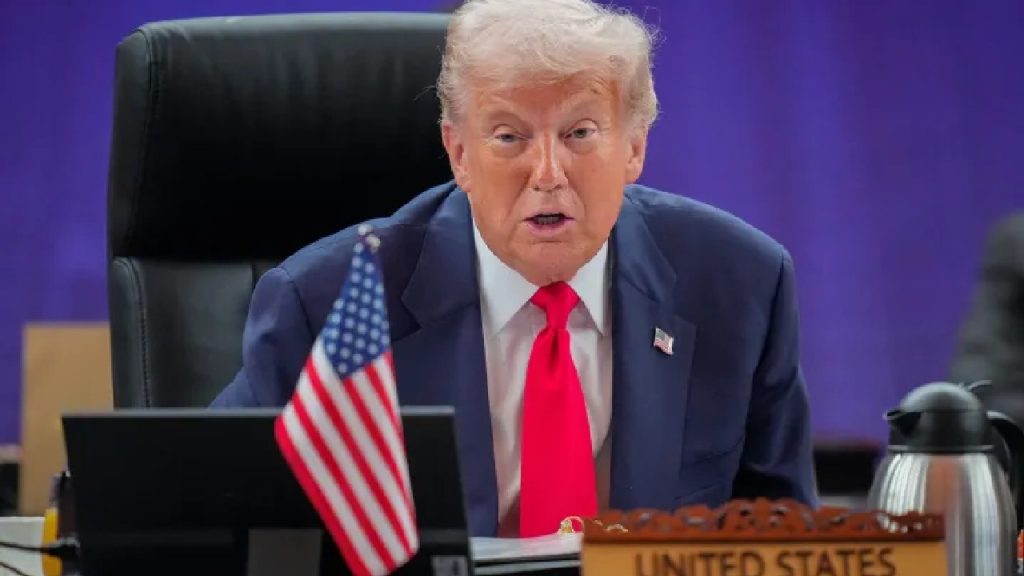
The 2025 National Security Strategy marks a significant shift in U.S. policy towards the Middle East, transitioning from extensive political and military involvement to a limited engagement prioritizing energy security and hindering regional adversaries. This change prompts important inquiries regarding the alignment of the new assumptions with the actual dynamics of the region.
Israeli Military Expansion in Syria Risks Strategic Overextension Despite Initial Advantages
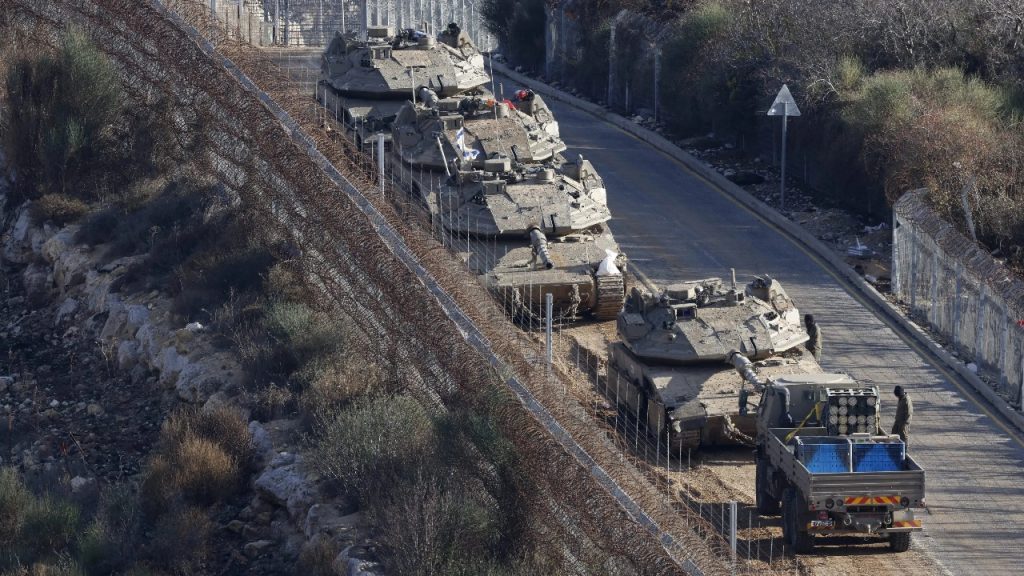
Twelve months after Bashar al-Assad’s fall, Israeli forces have carried out over 600 military operations in Syria, averaging nearly two daily. This extensive campaign, alongside the occupation of territories beyond the 1974 disengagement lines, illustrates a classic pattern of overreach, where tactical dominance leads to strategic vulnerability due to commitments across multiple fronts without clear objectives.
Damascus Gains International Legitimacy Through White House Visit Yet Internal Challenges Persist

Ahmed al-Sharaa’s meeting with President Trump on November 10 marked a significant diplomatic achievement for Syria, resulting in the removal of UN Security Council sanctions and a suspension of the Caesar Act for six months. However, consolidating this international recognition domestically is challenging due to Kurdish forces’ resistance to integration, demands for autonomy from Druze leaders, and Israeli military expansion in southern Syria.