
Regional Powers Position Mediation Capacity as Alternative to Civilizational Conflict Paradigm
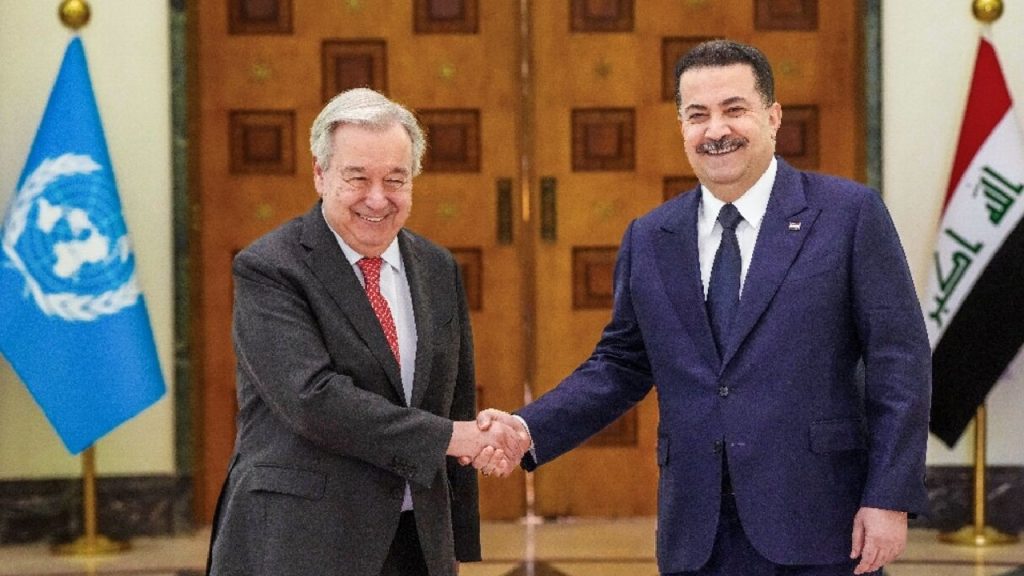
UN Secretary-General António Guterres’s visits to Saudi Arabia, Oman, and Iraq mark a potential shift from external crisis management to regional diplomatic leadership, particularly highlighted by the formal closure of UNAMI after 22 years. This development challenges Samuel Huntington’s “clash of civilizations” framework by illustrating how culturally connected states can effectively mediate conflicts that hinder international institutions.
Netanyahu Links Palestinian Statehood Recognition to Antisemitic Violence Following Sydney Attack

On December 14, gunmen killed 16 people during a Hanukkah celebration in Sydney. Israeli Prime Minister Netanyahu linked the attack to Australia’s recognition of Palestinian statehood, highlighting the complexities Western governments face in addressing Israeli policy criticism while opposing antisemitic terrorism.
Business Entanglements Shape American Foreign Policy Execution

The intersection of commercial interests and diplomatic decision-making is a defining feature of current American foreign policy, as evidenced by dropped prosecutions, controversial pardons, and Gulf investments. These cases highlight the influence of personal business relationships on international relations, raising questions about conflict of interest, transparency, and strategic coherence.
Beijing Positions Itself as Emerging Technology Governance Architect Through Arms Control Framework

China’s November 2025 white paper on arms control emphasizes AI, cyberspace, and outer space governance, moving from a reactive to a proactive role in these domains against Western dominance. This document coincides with the January release of DeepSeek-R1, showcasing Chinese AI capabilities on par with American models, amid potential cooperation openings due to the Trump administration’s economic rebalancing.
America’s Strategic Recalibration: Addressing Post-Cold War Policy Insolvency

The 2025 National Security Strategy marks a significant shift from longstanding American foreign policy by recognizing resource limitations and emphasizing geographical proximity rather than global intervention. This change, while controversial, aims to address the “insolvency” issue—highlighting the disconnect between national goals and the means to accomplish them.